#🪅-progaming
1 messages · Page 64 of 1
 lucid trail
 valid jetty
because that is a huge refactoring as the codegen depends on things from the custom parser
 hoary sluice
it lights up the screen white so its a flahbang
 supple whale
lucid trail
i know that background anywhere lol
supple whale
lucid trail
i know that background anywhere lol
yeah vanta is now a "generic cryptobro website library"
wasnt back then
lucid trail
https://tnixc.space flashbang
supple whale
and for the most part "europe" is a good enough narrow down
hoary sluice
valid jetty
because that is a huge refactoring as the codegen depends on things from the cus...
and you probably dont want to tie your parser to a dependency
supple whale
since most hires care about "oh not america? nvm then"
valid jetty
hoary sluice
and you probably dont want to tie your parser to a dependency
true i guess
hoary sluice
supple whale
and for the most part "europe" is a good enough narrow down
whats wrong with stating ur country
valid jetty
why is it moving
 hoary sluice
unless its the vatican
supple whale
nothing!
valid jetty
its unsettling lol
 deep mulch
@valid jetty hiii

 supple whale
valid jetty
its unsettling lol
supple whale
valid jetty
its unsettling lol
it looks better on shit like https://thaunknown.github.io/?miru
again this was like my 1st or 2nd svelte project ever
valid jetty
supple whale
it looks better on shit like https://thaunknown.github.io/?miru
oh lol i see
supple whale
so ideas were there, execution not so much
i think i made this before sveltekit had wide support
so i didnt have a router
yeah sveltekit came out 3 months after i made this site XD
valid jetty
supple whale
i juust wanted to check if svelte was better than react
and HOLY was it ever better than react
i switched to svelte exclusively after making that website, i had that good of an experience with it
well and occasionally vue with setup for work
 jade stone
valid jetty
jade stone
valid jetty
#cast is fucking insane
deep mulch
yop
valid jetty
😭
lucid trail
i support x as T
valid jetty
fine ill do x as T
hoary sluice
woo
deep mulch
yippee
hoary sluice
you should sugar all these #
hoary sluice
deep mulch
yippee
zootie spawned
valid jetty
what sugar would you give #set_allocator(alloc_expr)
jade stone
valid jetty
fine ill do x as T
Love
valid jetty
the # is important tho
deep mulch
nop
lucid trail
#cast(x, T) feel very C# coded to me
deep mulch
doesnt matter
hoary sluice
valid jetty
it tells you that its a compiler builtin
but so is alloc t size
we all need to create projects in elle so it gets added to github
 placid cape
i prefer @ for compiler builtin
like zig
but i understand you dont use it because of annotations
hoary sluice
__builtin_set_allocator 
placid cape
💀
hoary sluice
nix moment
 dawn ledge
hoary sluice
we all need to create projects in elle so it gets added to github
dawn ledge
hoary sluice
we all need to create projects in elle so it gets added to github
you'll need atleast 100
dawn ledge
hoary sluice
`__builtin_set_allocator` <:husk:1026532993923293184>
the entirely of elle is like this
__internal_ spam
deep mulch
guhh internal keyword when
valid jetty
there is !pub but thats not applicable to the link-time codegen
essentially all of elle is extern C which means there can be collisions just like in C
thats why you can namespace things
but things arent namespaced for you
@hoary sluice how do you differentiate (x as void *) * y and (x as void) * (* y)
i dont think as is a good idea
hoary sluice
how is (x as void) valid syntax
valid jetty
ignore that its void
what should the parser determine that x as T * *y is: (x as T *) * (y) or (x as T) * (*y)?
valid jetty
valid jetty
what should the parser determine that `x as T * *y` is: `(x as T *) * (y)` or `(...
lol i meant the parser wont be able to always differentiate it without brackets because either expression here is valid without brackets
hoary sluice
(x as T*) * (y) = cast x as T* and multiply by y
(x as T) * (*y) = cast x as T and multiply by y*
hoary sluice
valid jetty
lol i meant the parser wont be able to always differentiate it without brackets ...
oh
valid jetty
but what if i write x as T * * y
what does the parser see it as
or well, what should it see it as
valid jetty
but what if you actually wanted to do (x as T) * (*y) cast x to T and multiply by the deref of y
its still ambiguous just in a different way to (T)x
hoary sluice
then write (x as T) * (*y)
valid jetty
😭
hoary sluice
this is why using the same symbol as multiplication for pointers is a bad idea
use @ for pointers (dont)
use deg symbol for pointers
valid jetty
valid jetty
what should the parser determine that `x as T * *y` is: `(x as T *) * (y)` or `(...
@dawn ledge @deep mulch @lucid trail what do you guys think about this
hoary sluice
hoary sluice
use deg symbol for pointers
im serious
valid jetty
deg symbol is unicode isnt it
hoary sluice
using @ wouldnt actually be a bad idea would it
valid jetty
how do i even type that on my keyboard
valid jetty
hoary sluice
using @ wouldnt actually be a bad idea would it
its already used for attributes
dawn ledge
valid jetty
<@841509053422632990> <@289556910426816513> <@509618780301950996> what do you gu...
operator precedence
hoary sluice
valid jetty
how do i even type that on my keyboard
shift ^ on qwertz idk qwerty
hoary sluice
valid jetty
its already used for attributes
^
valid jetty
thats not deg thats just caret
valid jetty
dawn ledge
operator precedence
its ambiguous when read tho
dawn ledge
dawn ledge
please do not try to redefine common operators
hoary sluice
why not
dawn ledge
bad dx
valid jetty
dawn ledge
<Type>T
that can interfere with generics and the < and > binops unfortunately
valid jetty
😭
why does casting need special sugar why cant it just be #cast(x, T)
"its ugly with many on a single line" YEAH like (T)x isnt ugly on a single line
*(int *)(void *)((void *)(*x) * (uintptr_t **)y)
``` yeah readablewhen are you ever going to cast x into T and multiply it by *y on the same line
this is not common enough to worry about making convenient to type
 dense sand
@placid cape i cant write my thesis in new computer modern 😭
 dawn ledge
valid jetty
why does casting need special sugar why cant it just be #cast(x, T)
dawn ledge
valid jetty
why does casting need special sugar why cant it just be #cast(x, T)
im not against it
supple whale
dense sand
<@525316393768452098> i cant write my thesis in new computer modern 😭
yeah thats normal
every uni forces some old sherif font
dense sand
i wanted to use typst 😭
dense sand
supple whale
every uni forces some old sherif font
because the template is word 💀
supple whale
you could for code blocks
since those count as "attachments" or "images"
or "objects" simply
hoary sluice
dense sand
<@525316393768452098> i cant write my thesis in new computer modern 😭
theres no way they can do that wtf
make ur entire thesis an attachment lol
what are they gonna do
valid jetty
hoary sluice
when are you ever going to cast x into T and multiply it by *y on the same line
x as u64 * * num_of_u64s
#cast(x, u64 *) * num_of_u64s
supple whale
thank you for coming to my ted talk
dawn ledge
font is auxilliary
why do you even care about what they enforce
just work on the content dude
hoary sluice
valid jetty
`x as u64 * * num_of_u64s`
`#cast(x, u64 *) * num_of_u64s`
you need to put () in #cast anyways so its still easier to write as
dense sand
why are they putting tutorial in word 😭 they think word is the only thing this can be made in 😭
 dense sand
why are they putting tutorial in word 😭 they think word is the only thing this ...
dense sand
dense sand
why are they putting tutorial in word 😭 they think word is the only thing this ...
 visual shellBOT
dense sand
lc.tr
visual shellBOT
dense sand
lc.tr
-# <:i:1323844562875187291> Translated from 🇺🇸 English to 🇺🇸 English • Google Translate
why are they putting tutorial in word 😭 they think word is the only thing this can be made in 😭
hoary sluice
dawn ledge
font is auxilliary
why do you even care about what they enforce
just work on the...
because times new roman looks ugly
dense sand
wow
dawn ledge
dense sand
lc.tr
ocrtr
dawn ledge
hoary sluice
because times new roman looks ugly
skill issue
dense sand
dense sand
why are they putting tutorial in word 😭 they think word is the only thing this ...
ocrtr
what
valid jetty
hoary sluice
you need to put () in #cast anyways so its still easier to write `as`
yeah but the () ensures you will always use () and there can never be any ambiguity
dense sand
dense sand
why are they putting tutorial in word 😭 they think word is the only thing this ...
lc.ocrtr
visual shellBOT
dense sand
lc.ocrtr

-# <:i:1336065711323222119> 🇨🇿 Czech <:i:1336064835691090043> 🇺🇸 English
1.9 Figures, tables and equations
A caption for a figure or table is inserted by right-clicking on the object
and selecting Insert caption. The object type (Tab. or Fig.) is then selected.``` Google Lens • labsCore
hoary sluice
dense sand
why are they putting tutorial in word 😭 they think word is the only thing this ...
Google Lens • labsCore
hoary sluice
dense sand
why are they putting tutorial in word 😭 they think word is the only thing this ...
our teacher also was like guys pay attention you need this and then gave a tutorial on how to use zotero in word
not being able to understand czech in 2025 is crazy
dense sand
why did they give example with new computer modern font 😭
 hoary sluice
do u have to write the thesis in czech?
dense sand
yes
hoary sluice
surely they cant force you to
hoary sluice
language is pretty important
dense sand
i will ask next year how much enforced is it
hoary sluice
theres no way i wouldve written mine in german
dense sand
whoever uses typst here, do you self compile or use their ide?
dense sand
dawn ledge
nvim plugin + script when writing
is there any structure i should be using?
hoary sluice
i have nvim with autosave tiled with an evince pdf which auto reloads and typst running in tmux so i can ctrl b + L to see errors
dawn ledge
wdym by structure
i just usually categorize my files by relevance and an .assets folder for attachments
hoary sluice
GitHub
Contribute to eagely/voice-docs development by creating an account on GitHub.
lucid trail
dense sand
why did they give example with new computer modern font 😭
why is that kerning so weird
hoary sluice
sorry for not knowing about typst in september
dense sand
lucid trail
why is that kerning so weird
its a pasted image 😭 idk
hoary sluice
most of it is plain text anyways
and code blocks
how do you cite in typst
theres probably a library right
dawn ledge
typst supports bib
As soon as you add a bibliography somewhere in your document, you can start citing things with reference syntax (@key) or explicit calls to the citation function (#cite(<key>)). The bibliography will only show entries for works that were referenced in the document.
valid jetty
valid jetty
but that can actually also be ambiguous with tuples i just realized
hoary sluice
someone probably already wrote a phd thesis about that
valid jetty
(i32, i32)(x)
hoary sluice
whats ambiguous about that
valid jetty
it could be interpreted as a parenthesized expression
dawn ledge
valid jetty
.as<T> is insane
hoary sluice
dawn ledge
function call
didnt know you could do
fn (i32, i32)();
(i32, i32)(x)
(foo)(x)
dawn ledge
quit it
hoary sluice
???
dawn ledge
just do #cast
valid jetty
dawn ledge
.as<T> is insane
the thing with something like this or .asT or .toT or as.T is that i would either need to make a function for casting from one type to every other possible type or make syntax sugar which looks exactly like existing syntax but actually is a compiler builtin
and i dont really wanna do either
valid jetty
dawn ledge
just do #cast
yeah ok
valid jetty
valid jetty
T *(x) looks like x multiplied by T
.
hoary sluice
valid jetty
.
but you cant multiply by a type
dawn ledge
parsing ambiguity
hoary sluice
dawn ledge
dont write in elle
discouraging people from using a language is not why a language is made
valid jetty
you cant but that would require a parser hack to work and its ambiguous (was the idea)
hoary sluice
dawn ledge
parsing ambiguity
which can be resolved
deep mulch
rosinga
dawn ledge
you dont know if T is a type or a variable ident at parse time
hoary sluice
dawn ledge
you dont know if T is a type or a variable ident at parse time
so then parse it as a function call
valid jetty
zig has @Tcast
dawn ledge
T *(x) would be parsed as a multiplication node
deep mulch
valid jetty
what should the parser determine that `x as T * *y` is: `(x as T *) * (y)` or `(...
what is happening here
hoary sluice
dawn ledge
T *(x) would be parsed as a multiplication node
were discussing what version would be the best in the language not the easiest to write a parser for, this isnt 1950
dawn ledge
😭
valid jetty
deep mulch
what is happening here
you voted for as T, the first one is cast x to T* and multiply by y, the second is cast x to T and multiply by the deref of y
dawn ledge
why are vencord members so hard to talk to
valid jetty
both are plausible, both could be viable, you have no idea which one it is without brackets
hoary sluice
dawn ledge
why are vencord members so hard to talk to
you have boomer mentality
deep mulch
valid jetty
you voted for `as T`, the first one is `cast x to T* and multiply by y`, the sec...
i thought & was deref
dawn ledge
fym boomer mentality
valid jetty
deep mulch
i thought & was deref
& is "take the addr of"
deep mulch
guh
valid jetty
valid jetty
@deep mulch
dawn ledge
zooter minky will deref with &
hoary sluice
literally 1972
how to make a language where i have to spend the least effort possible writing a parser
valid jetty
how to make a langauge where it looks like im multiplying by a type
deep mulch
rosie making rust 2
hoary sluice
valid jetty
how to make a langauge where it looks like im multiplying by a type
how to make a language where using pointers looks like multiplication
dawn ledge
i'll give you one better
skimming through code
what if i have a var T
and someone writes T *(x) intending it for a multiply
now am i supposed to sit and think if its a cast or multiplication
 royal nymph
hoary sluice
types as functions
royal nymph
hoary sluice
types as functions
go does that
dawn ledge
hoary sluice
how to make a language where using pointers looks like multiplication
????
valid jetty
hoary sluice
how to make a language where using pointers looks like multiplication
which is an established syntax lol
dawn ledge
thats like every lang using pointers
valid jetty
dawn ledge
i'll give you one better
skimming through code
what if i have a var T
and someon...
wait good point actually
thats a really good point
hoary sluice
dawn ledge
thats like every lang using pointers
that doesnt mean rosie has to do it
valid jetty
i didnt even think of that
deep mulch
multiply should only happen if there's a space after the operator
royal nymph
valid jetty
you will use golang type assertions: ```go
thing.(SomeType)
INSANE
id rather learn rust over go
hoary sluice
dawn ledge
i'll give you one better
skimming through code
what if i have a var T
and someon...
force types to be PascalCase and variables snake_case
dawn ledge
thats just bad
dawn ledge
forcing stylistic choices is so bad
valid jetty
royal nymph
you will use golang type assertions: ```go
thing.(SomeType)
```
actually not a bad idea because now i can always expect that after a . there is a type or identifier
hoary sluice
not force but if someone writes var T and then reads T*(x) as a type cast not a multiplication thats their problem
jade stone
dawn ledge
forcing stylistic choices is so bad
yop
someone turn off the default rust naming conventions warnings
hoary sluice
cause they called the variable that
valid jetty
however what do you make of x.(Foo<Bar *>)
royal nymph
royal nymph
you will use golang type assertions: ```go
thing.(SomeType)
```
/run ```go
package main
func main() {
var x interface{} = 7
sum := x.(int) + x.(int)
println(sum)
}
 rugged berryBOT
@royal nymph I only received go(1.16.2) error output
14
I hate that
dawn ledge
jade stone
yop
someone turn off the default rust naming conventions warnings
#![ignore(...)] loves you
hoary sluice
however i do think that forcing style choices is a good thing
valid jetty
valid jetty
however what do you make of `x.(Foo<Bar *>)`
@royal nymph ?
deep mulch
int(x) or (int) x or x as int
dawn ledge
your idea wont work with this eagly
valid jetty
hoary sluice
force types to be PascalCase and variables snake_case
i think eagely was joking with this
because thats evil
hoary sluice
pick a naming style and force everyone to use it because most people are going to use it anyways and you remove the small number of people that confuse erevyone
valid jetty
valid jetty
poll_question_text
which
victor_answer_votes
6
total_votes
6
victor_answer_id
3
victor_answer_text
i like to be different
victor_answer_emoji_id
1026532993923293184
victor_answer_emoji_name
husk
hoary sluice
valid jetty
i think eagely was joking with this
i was but now im not
dawn ledge
kodetoad hates you
hoary sluice
dawn ledge
your idea wont work with this eagly
make i128 builtin
deep mulch
i256
valid jetty
hoary sluice
make i128 builtin
i128 is not a type in qbe, if i made it a builtin that means i would literally need to make a struct and all the binop overloads via manual ast node creation in the parser
which i do already but it sucks
hoary sluice
then dont make i128 and make BigInt instead
deep mulch
HugeInt
GiganticInt
MassiveInt
dawn ledge
i8 in question:
hoary sluice
where do you need i128
deep mulch
add i2
dawn ledge
hoary sluice
where do you need i128
simd
valid jetty
things like this
 hoary sluice
i might do Int64 Float64 naming
valid jetty
hoary sluice
then dont make i128 and make BigInt instead
BigInt exists but sometimes you just want a bigger int
valid jetty
no i wanted to do that when i first dreamed up elle syntax
dawn ledge
more bits dont hurt
hoary sluice
deep mulch
HugeInt
GiganticInt
MassiveInt
this is something java would make
deep mulch
hoary sluice
this is something java would make
yop
deep mulch
yes
valid jetty
hoary sluice
bigint is literally infinite
its not its as big as 2^64^(2^64) bits
deep mulch
@valid jetty add long long to elle
valid jetty
if you make an array of i64s which has a max len of u64
hoary sluice
java bigint is a base 65536 array of digits idk what urs is
valid jetty
husk
dawn ledge
be like zig
hoary sluice
you can always add another array when it overflows
valid jetty
elle one is a u8[]
dawn ledge
variable size integers u8 padded
valid jetty
naive approach
deep mulch
@valid jetty add unsigned long long int
deep mulch
valid jetty
`u64`
boringg
hoary sluice
make long thats 64 on linux and 32 on windows
valid jetty
contrary to popular belief long int is NOT a 64 bit int
 leaden crater
dawn ledge
why are vencord members so hard to talk to
leaden crater
dawn ledge
why are vencord members so hard to talk to
regular chanel is pretty chill
hoary sluice
leaden crater
regular chanel is pretty chill
too many windows users in progaming
hoary sluice
see what i mean
dawn ledge
valid jetty
contrary to popular belief `long int` is NOT a 64 bit int
long long long long long
hoary sluice
leaden crater
slop os

valid jetty
hoary sluice
make long thats 64 on linux and 32 on windows
elle can only compile on 64 bit and theres no usize type in qbe but when it becomes a thing, i will have to change elle to make it work
hoary sluice
valid jetty
elle can only compile on 64 bit and theres no usize type in qbe but when it beco...
dont you have to change elle to do literally anything
i misread that
valid jetty
lmao
usually no
almost every elle program ive wanted to write has been writable without changes to the compiler
only things missing in stdlib
valid jetty
all it does is no longer link with -lelle 
deep mulch
Elle for embedded devices when
hoary sluice
when elle on esp32
valid jetty
dawn ledge
nogc is my favorite
that one uses the arena alloc by default xd
hoary sluice
would actually be awesome
hoary sluice
if you pivot to embedded support and rewrite the arduino framework in elle you will have massive adoption because arduino cpp is garbage and elle isnt
dawn ledge
hop on llvm, running elle on AMDGPU
deep mulch
elle on attiny85
leaden crater
valid jetty
contrary to popular belief `long int` is NOT a 64 bit int
int main() {
    long long long long long long long long long long long long long long long long
    long long long long long long long long long long long long long long long long
    long long long long long long long long long long long long long long long long
    long long long long long long long long long long long long long long long long
    long long long long long long long long long long long long long long long long
    long long long long long long long long long long long long long long long long
    long long long long long long long long long long long long long long long long
    long long long long long long long long long long long long long long long long x = 1;

}
elle on 4 bit minecraft computer
valid jetty
you can technically go fully back to C style programming by using nogc and then in main func #set_allocator(HeapAllocator::new()
now #alloc will call malloc, #realloc will call realloc, #free will call free, etc
deep mulch
 valid jetty
but the stdlib is kinda useless with it because none of it is manually freed
dawn ledge
hoary sluice
if you pivot to embedded support and rewrite the arduino framework in elle you w...
rust embedded crates:
valid jetty
so youd leak a lot of memory
hoary sluice
dawn ledge
rust embedded crates:
not enough support
valid jetty
using arenas you dont leak because its all freed by the compiler at the end
leaden crater
deep mulch
typedef unsigned long i2048[32];
jade stone
dawn ledge
`#![ignore(...)]` loves you
yeah, let me do that on every single variable function and struct field I make
hoary sluice
they forked the rust compiler and rewrote it for xtensa and its still terrible
dawn ledge
jade stone
yeah, let me do that on every single variable function and struct field I make
the ! in #! applies it for everything
hoary sluice
jade stone
yeah, let me do that on every single variable function and struct field I make
or just write normal rust
leaden crater
should i make infinitely long long long long ... in my language
hoary sluice
Integer32
leaden crater
@valid jetty
 fleet cedar
dawn ledge
the `!` in `#!` applies it for everything
fleet cedar
dawn ledge
the `!` in `#!` applies it for everything
Rather, it applies it to the parent block (usually module)
valid jetty
use std/allocators/heap;

fn main() {
    #set_allocator(HeapAllocator::new()); // back to C we go, but with nicer semantics :3333

    x := #alloc(i32); // does (i32 *)malloc(#size(i32)) internally
    defer #free(x); // deferring :33333
}
compiled with ellec main.le --nogc
@dawn ledge love?
hoary sluice
let
  define i Integer32 = 17
  define str CharacterArray = "hello"
in
foo = str + i
you said you wanted icypeas to be fast to use for aoc
good luck typing CharacterArray every time
lol
hoary sluice
valid jetty
you said you wanted icypeas to be fast to use for aoc
i am not going to seriously call strings CharacterArray
dawn ledge
i feel like writing the codegen backend myself and also not depending on libc
hoary sluice
although it would be funny
jade stone
hoary sluice
or just write normal rust
That's not the point. Forcing stylistic choices like what Go does and rusts default warnings does it is just bad.
valid jetty
dawn ledge
i feel like writing the codegen backend myself and also not depending on libc
i depend on libc because i dont have to write code in another language for the stdlib (like asm or C)
jade stone
I hate snake case so I don't want to write code with it
hoary sluice
jade stone
That's not the point. Forcing stylistic choices like what Go does and rusts defa...
i dont care im going to do it anyways
valid jetty
yeah but not so fun when you have to rewrite networking code in asm from scratch with raw syscalls
hoary sluice
jade stone
I hate snake case so I don't want to write code with it
will you be happy if i force camel case
valid jetty
networking in C is hard enough
dawn ledge
jade stone
That's not the point. Forcing stylistic choices like what Go does and rusts defa...
well fwiw unlike go rust's are just warnings and the program compiles and runs
dawn ledge
valid jetty
yeah but not so fun when you have to rewrite networking code in asm from scratch...
i was actually looking at syscalls a day ago
very fun
i also like networking so
i love writing binary formats
hoary sluice
elleduino
valid jetty
ok so #cast ?
dawn ledge
yes
valid jetty
alright
hoary sluice
T(x)
hoary sluice
does elle have macros
valid jetty
there are ways to do most things youd want from macros
hoary sluice
can i use T(x) instead of #cast
hoary sluice
valid jetty
do it in icypeas
im currently thinking of a way to make types be functions
qbe with no types 1 argument curryable functions first
dawn ledge
raaaaaaaah
 valid jetty
there are ways to do most things youd want from macros
valid jetty
valid jetty
there are ways to do most things youd want from macros
const x = y; at the top level will make a thing which is ran every time you reference the const
so like if you make it const my_thing = [i32;];
if i do
my_thing[0] = 1;
``` and then ```rs
$dbg(my_thing.len());
``` it will be 0maybe const is a bad name
should be inline or something
but it works almost exactly like a define macro lol
dawn ledge
no ast manipulation :(
valid jetty
wdym
valid jetty
no that doesnt really exist atm lol not even regular macros like in rust exist yet
valid jetty
dawn ledge
take in ast -> spit out ast
ya i know what a procmacro is
dawn ledge

hoary sluice
valid jetty
`const x = y;` at the top level will make a thing which is ran every time you re...
can you explain this in english
valid jetty
hoary sluice
can you explain this in english
imagine #define my_thing ((i32 *)malloc(sizeof(i32) * 4))
 valid jetty
its similar semantically except it inserts the AST and not the source code
hoary sluice
valid jetty
imagine `#define my_thing ((i32 *)malloc(sizeof(i32) * 4))`
what does it have to do with the length being 0
valid jetty
when you do my_thing the second time you get a new array
just like in c if you call the macro twice you get a new allocation
hoary sluice
ohh
jade stone
dawn ledge
well fwiw unlike go rust's are just warnings and the program compiles and runs
yeah that's why I specifically mentioned default warnings instead of what go has where you know it's just forced
But I still feel like default warnings are extremely bad.
dawn ledge
also go's refusal to compile on unused variables is insane
jade stone
warnings should be for things that actually matter
valid jetty
it expands to ```rs
fn my_thing() {
return [i32;];
}
fn main() {
my_thing()[0] = 123;
$dbg(my_thing().len());
}
```rs
fn main() {
    [i32;][0] = 123;
    $dbg([i32;].len();
}
make them default warnings and implement Wnoerror format
jade stone
dawn ledge
also go's refusal to compile on unused variables is insane
I tried to learn go, but the module system and the forced naming conventions made me stop very quicky
jade stone
The module system for Go is legitimately so fucking confusing.
hoary sluice
valid jetty
it expands to ```rs
fn my_thing() {
return [i32;];
}
fn main() {
my_thi...
why does it do that
is that intended
valid jetty
does go have generics yet
jade stone
I cannot understand it for the life of me.
dawn ledge
go community has strong opinions over the project stucture
and my answer to that is FUCK YOU
valid jetty
8 space ident in go sucks
jade stone
dawn ledge
and my answer to that is FUCK YOU
Yop
dawn ledge
you dont get to decide my preference on how i wan my code to be structured
I am writing MY code NOT YOU
hoary sluice
valid jetty
8 space ident in go sucks
is that real???
why is 8 space the default in vim who made that
dawn ledge
i understand formatting and structure policies project wise
for example if i am contributing to project xyz and they need all types to be defined in a separate file thats perfectly acceptable
but if the language itself forces me to have all types in a separate files, now thats a completely different matter
valid jetty
someone should make the ultimate customizable language
dawn ledge
any language with macros is customizable to hell and back
valid jetty
fuction x()
dawn ledge
take rust rsx for example
hoary sluice
valid jetty
the function keyword is `f[unction]?`
dreamberd
valid jetty
f x()
valid jetty
hoary sluice
dreamberd
my favourite dreamberd feature is negative lifetimes
hoary sluice
omg nino x()
dawn ledge
dremberd is a literal meme
hoary sluice
my favorite dreamberd feature is worldwide constants
hoary sluice
dawn ledge
dremberd is a literal meme
the sky is blue
valid jetty
print(x)
const let let x: i32' -1 = malloc(i32)
no the sky is red
hoary sluice
const const const PI = 3 now PI is 3 for everyone forever
dawn ledge
actually the sky doesnt have a color
youre just looking at filtered light from the sun!
hoary sluice
so color
dawn ledge
nuh uh

 hoary sluice
We also banned the import function and any function that tests for equality. Oh and we've got plans to round up 30,000 people and put them into a concentration camp.
lol
hoary sluice
me when the app is so abstracted that it literally doesnt do what its supposed to do but still somehow does
GitHub
FizzBuzz Enterprise Edition is a no-nonsense implementation of FizzBuzz made by serious businessmen for serious business purposes. - EnterpriseQualityCoding/FizzBuzzEnterpriseEdition
dawn ledge
https://arxiv.org/abs/2011.13127 interesting

arXiv.org
Fast compilation is important when compilation occurs at runtime, such as query compilers in modern database systems and WebAssembly virtual machines in modern browsers. We present copy-and-patch, an extremely fast compilation technique that also produces good quality code. It is capable of lowering both high-level languages and low-level byteco...
dawn ledge
hoary sluice
https://github.com/EnterpriseQualityCoding/FizzBuzzEnterpriseEdition
java
checksout
royal nymph
valid jetty
HELP
corny
dawn ledge
🌽
valid jetty
@hoary sluice
 supple whale
valid jetty
<@415132870252822539>
supple whale
valid jetty
<@415132870252822539>

hoary sluice
oh wait
dawn ledge
arr[0.00000000000000000001] my beloved
hoary sluice
PI Is 3 because its a const const const i defined earlier
valid jetty
😭
 dawn ledge
LLVM consists of over 20 million lines of code
😭
valid jetty
ok WHICH ONE
 hoary sluice
T(x)
lucid trail
#cast(x as T)
valid jetty
TIL that everyone has an entirely different opinion
valid jetty
lucid trail
#cast(x as T)
LMAO
hoary sluice
actually a good idea tho
valid jetty
at that point might aswell #as(x, T)
dawn ledge
 hoary sluice
or still just do some variation of as or .as<> or smth
if u want to multiply by pointers just use ()
valid jetty
@dawn ledge #cast(T, x) or #as(T, x)
dawn ledge
valid jetty
<@841509053422632990> #cast(T, x) or #as(T, x)
#as just to piss eagely off
hoary sluice
make .as a function on everything
valid jetty
what if i swapped @ and #
valid jetty
fn main() #fmt #alias(foo::bar) {
    x := @alloc(i32);
    return @cast(i64 *, x);
}
no this is genuinely evil
valid jetty
what it would be right now
fn main() @fmt @alias(foo::bar) {
    x := #alloc(i32);
    return #cast(i64 *, x);
}
less evil (still evil because #cast)
valid jetty
@ for builtins reminds me a lot of zig lol
hoary sluice
idk if qbe is great for fp
GitHub
GRIN is a compiler back-end for lazy and strict functional languages with whole program optimization support. - grin-compiler/grin
unmaintained
do i compile to haskell
dawn ledge
We try only to add languages once they have some usage on GitHub. In most cases we prefer that each new file extension be in use in at least 200 unique :user/:repo repositories before supporting them in Linguist (but see #5756 for a temporary change in the criteria).
get 300 vencord members to use elle
dawn ledge
valid jetty
what it would be right now
```rs
fn main() @fmt @alias(foo::bar) {
x := #all...
i like this
hoary sluice
how did you read 200 and immediately forget
 still jolt
unless it's more bugs
valid jetty
it took me forever to find this bug but
fn main() {
    x := i32;
}
``` this compiled for the longest time lolbetter
 valid jetty
well usually yes but i just say EOF for end of token stream
the part in between := and ; is a new token stream
deep mulch
valid jetty
well usually yes but i just say EOF for end of token stream
just say that then
valid jetty
cursed but its an old parser
deep mulch
silly
valid jetty
deep mulch
just say that then
true
fleet cedar
When I do token subtrees, I use the corresponding terminator char for eof message
Which is to say, ) ] or }
valid jetty
wdym like
fleet cedar
Or \0, since I implicitly wrap the whole stream in a pair of \0 tokens to simplify many checks
valid jetty
i can do that but that means i have to pass down the delimiter through the parser recursion
fleet cedar
That's no issue for me, my cursor is just ```rs
#[derive(Clone)]
pub struct Cursor<'a> {
tokens: &'a [RawToken],
range: Range<usize>,
pos: usize,
}
expected foo found
valid jetty
fleet cedar
That's no issue for me, my cursor is just ```rs
#[derive(Clone)]
pub struct Curs...
oh interesting i should do that
i clone the tokens
all of that debating and i STILL ended up with #cast 😭
valid jetty
fleet cedar
That's no issue for me, my cursor is just ```rs
#[derive(Clone)]
pub struct Curs...
btw the thing you mentioned earlier with <T>x is flawed in that it can be misinterpreted as a binop or generics
valid jetty
valid jetty
i have a poll here of different options
 lavish frigate
fleet cedar
That's no issue for me, my cursor is just ```rs
#[derive(Clone)]
pub struct Curs...
lavish frigate
fleet cedar
That's no issue for me, my cursor is just ```rs
#[derive(Clone)]
pub struct Curs...
ai reference
valid jetty
valid jetty
the thing with something like this or .asT or .toT or as.T is that i would eithe...
@lucid trail
same issue with T.from
lucid trail
ic
valid jetty
lucid trail
T#from(x)
this syntax isnt really anywhere else in the language so it would look kinda weird
lucid trail
just realized it’s basically the same as as
valid jetty
that too but imagine someone first discovering the language
"how do i cast"
"oh i write the type, then #, then from(my thing) that makes.. absolutely no sense"
if its (T)x you could argue its C-like, if its #cast you could argue its consistent with #size and stuff like that
deep mulch
@valid jettyhttps://en.wikipedia.org/wiki/Goertzel_algorithm reAd
The Goertzel algorithm is a technique in digital signal processing (DSP) for efficient evaluation of the individual terms of the discrete Fourier transform (DFT). It is useful in certain practical applications, such as recognition of dual-tone multi-frequency signaling (DTMF) tones produced by the push buttons of the keypad of a traditional anal...
valid jetty
hold on im refactoring the entirety of elle to use #cast
deep mulch
husk
valid jetty
ive been meaning to get rid of (T)x anyway because it fails to parse specific expressions lol
(T)x casting when tuple types exist is a pain

 winged mantle
#static_cast
jade stone
winged mantle
#static_cast
ok c++ dev
tbh i dont understand c++ casts at all lol
i just always end up doing c style ones
leaden crater
cpp is weird
i've been doing it for 4mo and it feels really boring
even lua is more interesting
jade stone
leaden crater
even lua is more interesting
lua and go are on the top of my list of langs i hate
leaden crater
maybe interesting but its so boring
winged mantle
after years i know nothing
jade stone
winged mantle
c++ is really interesting
c++ is intresting but i always get confused about when classes are created
leaden crater
i want the rust
deep mulch
c++ has things
winged mantle
should i call this variable WHITESPACE_EATER_LESS_HUNGRY
 jade stone
winged mantle
should i call this variable WHITESPACE_EATER_LESS_HUNGRY
jade stone
winged mantle
should i call this variable WHITESPACE_EATER_LESS_HUNGRY
insane
winged mantle
is it normal to limit whitespace between prefix and command name in case social engineering

dude copy this text
jade stone
winged mantle
is it normal to limit whitespace between prefix and command name in case social ...
what is this going to be used in 
 pearl stagBOT
winged mantle
so is this amazing code https://github.com/TheKodeToad/SquirrelBot/blob/develop/...
pearl stagBOT
winged mantle
so is this amazing code https://github.com/TheKodeToad/SquirrelBot/blob/develop/...
primitiveParser.ts: Lines 156-193
const SECOND = 1000;
const MINUTE = 60 * SECOND;
const HOUR = 60 * MINUTE;
const DAY = HOUR * 24;
const WEEK = DAY * 7;
const YEAR = DAY * 365.25;
const MONTH = YEAR / 12;

function durationToMS(length: number, unit: string): number | null {
    switch (unit) {
        case "ms":
            return length;

        case "s": case "sec": case "secs": case "second": case "seconds":
            return length * SECOND;

        case "m": case "min": case "mins": case "minute": case "minutes":
            return length * MINUTE;

        case "h": case "hr": case "hrs": case "hour": case "hours":
            return length * HOUR;

        case "d": case "dy": case "dys": case "day": case "days":
            return length * DAY;

        case "w": case "wk": case "wks": case "week": case "weeks":
            return length * WEEK;

        case "mo": case "mon": case "month": case "months":
            return length * MONTH;

        case "y": case "yr": case "yrs": case "year": case "years":
            return length * YEAR;

        default:
            return null;
    }
}
if you fall for that you're just stupid

 placid cape
dense sand
<@525316393768452098> i cant write my thesis in new computer modern 😭
placid cape
dense sand
<@525316393768452098> i cant write my thesis in new computer modern 😭
oh my god
placid cape
dense sand
i wanted to use typst 😭
why you can't?
royal nymph
winged mantle
what was i doing
is this venbot
winged mantle
yes
winged mantle
remember when i was trying to do temp vc
and venbot had no database
and i only knew redis
valid jetty
what the hell i just accidentally got this commit
 deep mulch
valid jetty
what the hell i just accidentally got this commit
deep mulch
valid jetty
what the hell i just accidentally got this commit
you win
valid jetty
@placid cape @hoary sluice @lucid trail look at this beautiful syntax highlighting
its either ident | namespace::ident | module::namespace::ident (doesnt exist yet) but in all cases the first one should be highlighted differently
jade stone
valid jetty
its either `ident | namespace::ident | module::namespace::ident` (doesnt exist y...
can namespaces be nested?
valid jetty
nop only 1 level deep
valid jetty
as far as module::namespace::f
jade stone
mod::ns_a::ns_b::foo
valid jetty
infinite nesting namespaces is kinda more evil
jade stone
valid jetty
infinite nesting namespaces is kinda more evil
how
valid jetty
you dont have namespace destructuring in the language
fleet cedar
Hierarchies are awesome though
valid jetty
if you have a function under a deep namespace you need to do a::b::c::d::e() every time
fleet cedar
Well do something about that then
jade stone
valid jetty
you dont have namespace destructuring in the language
can you just bring a::b::c::d into scope?
then just do e()
fleet cedar
If you bring a:🅱️:c::d into scope you'll need d::e()
jade stone
fleet cedar
If you bring a:🅱️:c::d into scope you'll need d::e()
i mean something akin to using namespace a::b::c::d
fleet cedar
Star imports are the devil though
jade stone
@deep mulch does using namespace std in all his header files
deep mulch
yop
valid jetty
fleet cedar
Hierarchies are awesome though
STOP DOING INFINITE NAMESPACES
- NAMESPACES WERE NOT SUPPOSED TO BE 20 LEVELS DEEP
- YEARS OF NAMESPACES yet NO REAL-WORLD USE FOUND for going higher than 2 LEVELS
- Wanted to go higher anyway for a laugh? We had a tool for that it was called UNDERSCORES
- Yes please give me
xyz::client::config::builder::retry::policy::standard::StandardRetryStrategy
LOOK at what Namespace Users have been demanding your Respect for all this time, with all the C++ and Rust we built for them
(These are REAL namespaces, done by REAL Namespace Users)
use galaxy::systems::engine::physics::collision::detection::broadphase::GridPartitioning;
?????
use company::platform::autonomy::perception::sensorfusion::lidar::calibration::internal::algorithms::optimization::LidarCalibrator;
???????????????????
"Hello I would like a vision::systems::realtime::localization::vslam::vio::features::matching::gpu::kernels::FeatureMatcher please"
They have played us for absolute fools
deep mulch
youre insane
 formal belfry
insane
jade stone
@pseudo sierra @hoary sluice omw to debug a vscode extension with neovim
 valid jetty
deep mulch
youre insane
valid jetty
deep mulch
youre insane
is this a good distinction
 deep mulch
valid jetty
is this a good distinction
deep mulch
valid jetty
is this a good distinction
no
I feel weird about types being used as parameters like that
valid jetty
well yield is special
valid jetty
@deep mulch love?

it highlights self and args differently because theyre special names
lucid trail
very cool
i personally don’t like italics in themes, maybe cause berkeley mono’s italics are mid
valid jetty
i like them only for comments and special identifiers like that
you originally set every single parameter for function definitions to use variable.special which was a little excessive lol
@lucid trail i know that tree sitter is a context awareless AST, but do you think theres any way where i can have:
fn foo(i32 foo, ElleMeta meta, i32 bar) { // meta is specially highlighted because its type is ElleMeta
    meta; // special highlight
}

fn bar(ElleMeta meta_with_another_name) {
    meta_with_another_name; // specially highlighted too
}
``` where basically when it finds a param where the type is ElleMeta it marks that identifier to be colored with variable.special for the rest of the function body??probably too complicated for tree sitter
i dont wanna mark all meta to be colored specially because you could plausibly have a variable called meta which isnt an ElleMeta
right now theres

and

i can relatively easily get meta (or whatever you decide call the parameter) to be highlighted in the function header

but getting it to be also highlighted for all other identifiers in the function body idk how to even start approaching that
deep mulch
@valid jetty
 valid jetty
@deep mulch fix
deep mulch
valid jetty
<@289556910426816513> fix
nop
formal belfry
cat
lucid trail
valid jetty
<@509618780301950996> i know that tree sitter is a context awareless AST, but do...
maybe. I feel like this is more on the highlights.scm side than the grammar side
valid jetty
yeah i know, the meta coloring in the function header is on scm side too
lucid trail
can you send over your highlights.scm
valid jetty
i just have
; Highlight some identifiers with variable.special
((identifier) @variable.special
    (#any-of? @variable.special
        "self"))

; Highlight the ElleMeta one
(parameter
  type: (type) @type
  name: (identifier) @variable.special
  (#eq? @type "ElleMeta"))

(attribute_parameter
  type: (type) @type
  name: (identifier) @variable.special
  (#eq? @type "ElleMeta"))
``` i have no idea how to "scope" it for a function's bodyoh yeah ok
not committed yet because im still doing things
lucid trail
these are semantic tokens
probably need tagging to implement them, and I also have no idea how they work
wait
these are all semantic tokens, technically
valid jetty
yeah but theyre unconditionally colored with variable.special
my idea was to color with variable.special only if there is a variable with the type ElleMeta and the same name in the function header (which means it should only color when in the function body like how do you even do that)
because tagging would probably highlight it here
fn foo(ElleMeta meta) {
    meta; // special highlight
}

fn bar() {
    meta; // with tagging, chances are its gonna be highlighted here too
}
this doesn't do anything for me rn
valid jetty
do you have latest tree sitter
lucid trail
yes, I'm pointing it at your repo 5faa
 lucid trail
just reloaded the window and it worked
valid jetty
ah ok
lucid trail
pretty sure i rebuilt tho
valid jetty
lmaoo
btw is there a way to locally test tree sitter changes without pushing and changing the rev?
like, actually view the changes in zed
i know you can tree-sitter parse
lucid trail
valid jetty
btw is there a way to locally test tree sitter changes without pushing and chang...
tree-sitter playground has been good
and tree-sitter highlight
dont know how to point to a local repo in zed tho
valid jetty
lucid trail
tree-sitter playground has been good
i saw that but that requires docker desktop which is like 3gb and i dont have the storage for that 🥲
lucid trail
are you on a 256 macbook
lucid trail
it's over
valid jetty
truly
rl::set_shader_value(
    shader,
    rl::get_shader_location(shader, "time"),
    &#cast(f32, rl::get_time()),
    SHADER_UNIFORM_FLOAT
);
look at this beautiful syntax
you can take the address of an immediate expression in elle
you can do like &1 and it automatically makes a temporary
&#cast(f32, rl::get_time()), is so beautiful
lucid trail
no box
woaw
Yeah in rust you would totally get temporary value dropped while borrowed
valid jetty
the power of a gc (I guess :3)
oh god i actually cant get around the issue of types vs exprs in directives
the #size directive LITERALLY ACCEPTS EITHER
lucid trail
lol types vs exprs has so many conflicts
valid jetty
like i can do #size(i32) or #size(foo() * 3)
lucid trail
#sizeT()
valid jetty
im gonna just have to make choice(prec(2, $.type), prec(1, $.expression)) and hope for the best i think
LMAO @lucid trail have you seen this
use std/prelude;

fn main() {
    while true {
        bin := Array::from_string(io::input("Enter a binary string: "));

        if !bin.every(fn(char x) "01".contains(x)) {
            $eprintf("Invalid string: {}", bin);
            continue;
        }

        mult := math::pow(2, bin.len());
        res := 0;

        for c in bin {
            // extremely insane expression
            // im surprised this even works
            c == '1' && (res += mult /= 2);
        }

        $dbg(res);
    }
}
bin to dec !! totally nothing suspicious going on
 glacial mirage
ah ive seen that cond&&expr thing in js golf before
valid jetty
but have you seen res += mult /= 2 before
glacial mirage
no but i can guess what it does
valid jetty
the long way would be
for c in bin {
    if c == '1' {
        mult /= 2;
        res += mult;
    }
}
assignment exprs usually return the value they assign
you should remove the curly brackets from the for loop too if you can in this lang
lucid trail
valid jetty
LMAO <@509618780301950996> have you seen this
```rs
use std/prelude;
fn main() ...
Wow, I feel like chaining assignments like that could be quite ambiguous from a user's pov
valid jetty
it took me a second to figure out what it does when i reread it and i was the one who wrote it 😭
glacial mirage
oh probably not if there's no parens around the first bit
valid jetty
yeah, its too ambiguous to parse
either mandatory x (cond) stmt or x cond { stmt }
i decided to make curly mandatory because more often than not you want a multi line thing anyway
and not very often is your condition big enough that you need ()
valid jetty
valid jetty
it took me a second to figure out what it does when i reread it and i was the on...
i was going on about ambiguity earlier but i feel like this one isnt as bad because you can just read the assignments right to left and it makes sense
lucid trail
valid jetty
<@509618780301950996> i know that tree sitter is a context awareless AST, but do...
I've determined that this is probably not possible within tree-sitter
valid jetty
lmao i thought so
idk why it took so long for this to exist

but you can .values() and .entries() on a hashmap now
for some reason i only did .keys() when i first wrote it???
what looks best


i like the pink and orange ones best but idk
lucid trail
i was trying to make it as close to rust as possible
the last one is the only one that makes sense
valid jetty
yeah the last one is what rust's looks like too
glacial mirage
1 or 4 imo
 frosty obsidian
i cant tell what the difference is between the first two
glacial mirage
2 uses the same colour for both the use and the paths
jade stone
valid jetty
what looks best
first but swap the colors
placid cape
valid jetty
<@525316393768452098> <@415132870252822539> <@509618780301950996> look at this b...
Nice so you're finally making treesitter
hoary sluice
@valid jetty do you desugar in the parser
like for let i; cond; i++ => let i; while cond { i++ }
hoary sluice
valid jetty
## STOP DOING INFINITE NAMESPACES
* **NAMESPACES** WERE NOT SUPPOSED TO BE 20 L...
STOP DOING #compiler_directives
- BUILTINS WERE NOT SUPPOSED TO BE INVOKED WITH HASHTAGS
- YEARS OF LANGUAGE DESIGN yet NO REAL-WORLD USE FOUND for prefixing functions with
# - Wanted to make things look edgy anyway for a laugh? We had a tool for that: it was called MACROS
- Yes please give me
#cast(x, T)instead of the perfectly readablex as T - Built-ins don't need to be segregated with
#; they can be keywords themselves
LOOK at what Directive Enthusiasts have been demanding your Respect for all this time, with all the compilers and interpreters we built for them
(These are REAL directives, used by REAL Directive Enthusiasts):
let size = #size_of(T);
let ptr = #alloc(T, n);
let id = #i(x);
"Hello, I would like a #env.allocator.free_self please"
They have played us for absolute fools
directive enthusiast 😭
 blazing haven
hoary sluice
## STOP DOING `#compiler_directives`
- **BUILTINS** WERE NOT SUPPOSED TO BE INV...
blazing haven
hoary sluice
## STOP DOING `#compiler_directives`
- **BUILTINS** WERE NOT SUPPOSED TO BE INV...
😭
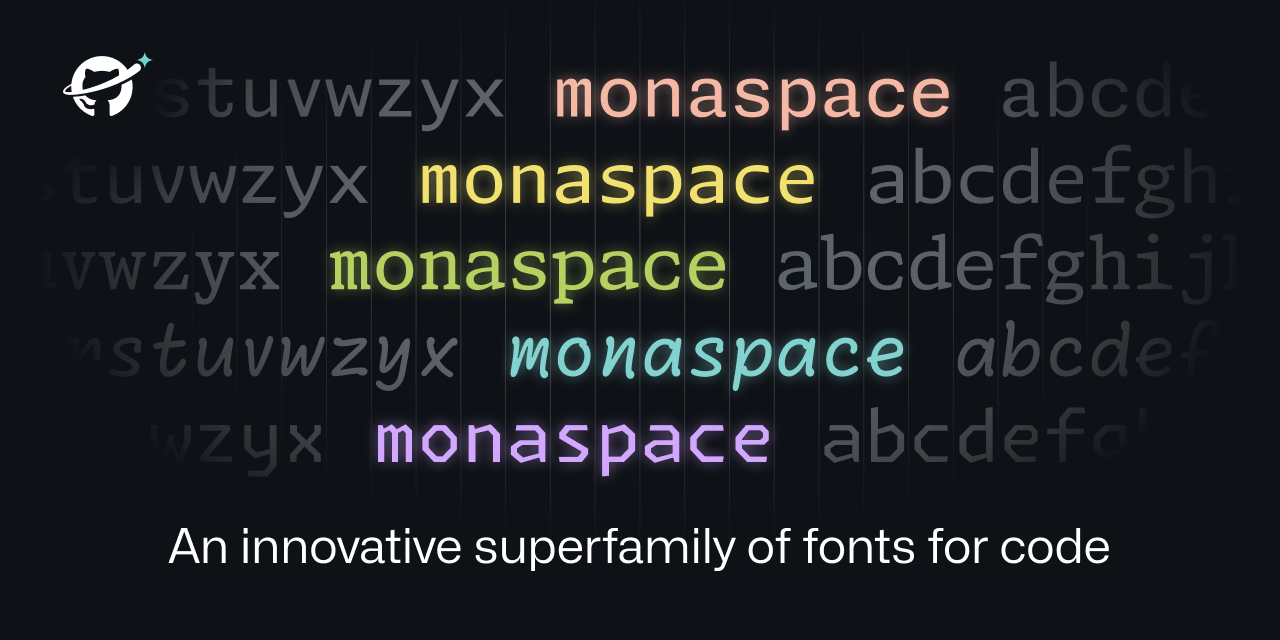
An innovative superfamily of fonts for code
has anyone tried these here yet
what's the consensus
dawn ledge
dawn ledge
pearl stag
**primitiveParser.ts:** Lines 156-193
```ts
const SECOND = 1000;
const MINUTE = ...
was a reply to ^
i fucking hate discord
 mossy ether
blazing haven
https://monaspace.githubnext.com/
mossy ether
blazing haven
https://monaspace.githubnext.com/
they're awesome
used argon for the zed font and krypton for the buffer
dawn ledge
depends on who you ask
they're absolutely horrendous for me, cause i lean more towards the terminus/departure mono side for monospace fonts
hoary sluice
blazing haven
https://monaspace.githubnext.com/
the third one is literally computer modern monospace
they look meh
better than some others
but i wouldnt use them
mossy ether
dawn ledge
they're absolutely horrendous for me, cause i lean more towards the terminus/dep...
yeah they fit better for like a replacement for jetbrain's
hoary sluice
mossy ether
yeah they fit better for like a replacement for jetbrain's
what does that mean
dawn ledge
i dont see a difference can someone explain
 hoary sluice
isnt that any good monospace font
mossy ether
maybe
hoary sluice
just use maple mono
dawn ledge
awesome ligatures bro
 mossy ether
dawn ledge
i dont see a difference can someone explain
mossy ether
dawn ledge
i dont see a difference can someone explain
width on m
dawn ledge
ahhh
hoary sluice
dawn ledge
awesome ligatures bro
whats the difference between the left side and the right side
dawn ledge
i am being sarcastic
there is no difference
With regards to GitHub Blocks, blocks.githubnext.com will no longer work once the technical preview concludes and we will not make Blocks into a full GitHub product. Blocks was an exciting experiment and thanks to your feedback, we learned a lot about how we might add extensibility to GitHub.com. We expect GitHub will continue to explore this capability in the future, but for now we’re focusing our efforts on other areas.
kinda sad blocks got sunset, i used to be in the testing group :(
fleet cedar
What's that
dawn ledge
interactive elements in markdown
like graphs and diagrams
@hoary sluice https://githubnext.com/projects/copilot-voice/

GitHub Next
GitHub Next Project: Write code without the keyboard. Difficulty typing? Use your voice to code without spelling things out by talking with GitHub Copilot.
blazing haven
hoary sluice
theres no nvim plugin
akjhkjaskjdhjkasdjkasjkdhkasd
me when i use nvim
blazing haven
hoary sluice
but i wouldnt use them
what do u use
dawn ledge
github next has devolved into ai slop
blazing haven
ai is slop by definition
hoary sluice
its tired of typing coding
blazing haven
dawn ledge
blazing haven
ai is slop by definition
this
hoary sluice
blazing haven
ai is slop by definition
how
dawn ledge
blazing haven
hoary sluice
how
slop for ur brain
hoary sluice
definition of ai is performanig any task typically associated with humans, which includes medical diagnosis that humans couldnt do
blazing haven
cuz they forcing ai into everything where it doesnt even make sense and invent products/solutions for things that werent a problem xd
hoary sluice
not all ai is slop
 pulsar elk
copilot is absolutely worthless btw
hoary sluice
copilot voice is in the gray area but it allows handicapped people to code which is awesome and not slop
dawn ledge
eagely boutta argue about absolutely everything
hoary sluice
it will not be used by vibe coders cause they use cursor with voice input
hoary sluice
dawn ledge
eagely boutta argue about absolutely everything
yess
pulsar elk
im ready to argue too 👽
dawn ledge
the earth is round eagely
blazing haven
dawn ledge
eagely boutta argue about absolutely everything
let him cook
whats wrong with arguing
hoary sluice
dawn ledge
the earth is round eagely
youre bringing up stupid points, this very well reflects the current geopolitical and economic situation in the world
also nixos
dawn ledge
blazing haven
let him cook
let me cook you
blazing haven
dawn ledge
let me cook you
blazing haven
dawn ledge
let me cook you
r u from catalonia
hoary sluice
please tell me copilot voice isnt an april fools joke by microsoft
 dawn ledge
i dont even know where catalonia is
hoary sluice
ok they made it slop
i thought it was a tool for disabled people
its just a general purpose not even programming ai slop
microsoft manages to make everything slop
blazing haven
dawn ledge
i dont even know where catalonia is
im asking cuz i thought u need to live there to get a .cat domain
dawn ledge
hmmmm how am i supposed to run this
 hoary sluice
blazing haven
im asking cuz i thought u need to live there to get a .cat domain
hoary sluice
blazing haven
im asking cuz i thought u need to live there to get a .cat domain
theres a trick called not upholding contracts
dawn ledge
blazing haven
im asking cuz i thought u need to live there to get a .cat domain
oh, you have to be there to get it
my registrar said i need to upload catalonian content in 3 months of registering, its been years and they dont care
i got it from regery
like $10/y
hoary sluice
buy?
 dawn ledge
lc.wa 30€ to $
visual shellBOT
dawn ledge
lc.wa 30€ to $

 dawn ledge
nvm
dawn ledge
i lied its $20/y
 blazing haven
iwas going to say catnoise.cat is already taken
dawn ledge
most <dictionary word>.<tld> domains are almost always taken
and you have to pay some absurd price if they're up for transfer
blazing haven
germancatnoise.cat is available tho
dawn ledge
english dictionary :^)
blazing haven
vencord.cat is also available
dawn ledge
vencord.app
 glossy cloakBOT
dawn ledge
vencord.app
glossy cloakBOT
dawn ledge
vencord.app
⚠️ vencord.app is a fake malicious site! The only real website is https://vencord.dev! If you have downloaded anything from vencord.app, remove everything you have downloaded immediately, run a malware scan and change your Discord password.
blazing haven
nooo copy.cat is also taken
hoary sluice
of course it is
dawn ledge
hacker.cat
lavish frigate
 fleet cedar
I count possibly 5, can't count the dtors
lavish frigate
fleet cedar
I count possibly 5, can't count the dtors


"But C++ is faster than Python!"
Check out (some of) the source code: https://github.com/SheafificationOfG/Fibsonisheaf
Soft prerequisite: https://youtu.be/KzT9I1d-LlQ
Errata:
At 14:00, I meant (n-1)/8 bytes!! Thanks @annaclarafenyo8185 .
Timestamps:
00:00 - Introduction
00:54 - But C++ is faster than Python!
01:34 - (H...
Very good video
hoary sluice
lavish frigate
sheafy(int x) {
  foo()
  foo()
  foo()
  foo()
  foo()
  foo()
  foo()
  foo()
  foo()
  foo()
  foo()
  foo()
  foo()
  foo()
  foo()
  foo()
  foo()
  foo()
  foo()
  foo()
  foo()
  foo()
  foo()
  foo()
  foo()
  foo()
  foo()
  foo()
  foo()
  foo()
  foo()
  foo()
  foo()
  foo()
  foo()
  foo()
  foo()
  foo()
  foo()
  foo()
  foo()
  foo()
  foo()
  foo()
  foo()
  foo()
  foo()
  foo()
  foo()
  foo()
  foo()
  foo()
  foo()
  foo()
  foo()
  foo()
  foo()
  foo()
  foo()
  foo()
  foo()
  foo()
}
or is that indirect
formal belfry
foo
lavish frigate
hoary sluice
or is that indirect
Very much is indirect
They aren’t called by main
blazing haven
lavish frigate
From https://youtu.be/02rh1NjJLI4
watching now

i feel like a big part of the problem is using std::cout std::endl lmao
but i will keep watching
lavish frigate
blazing haven
i feel like a big part of the problem is using `std::cout` `std::endl` lmao
Keep watching!!
leaden crater
blazing haven
i feel like a big part of the problem is using `std::cout` `std::endl` lmao
is there really any reason to use endl instead of \n if youre not dealing with huge amt of rows
fleet cedar
Imagine not using std::println()
lavish frigate
std::println!()
blazing haven
leaden crater
is there really any reason to use endl instead of \n if youre not dealing with h...
i'd assume it depends on what u r doing
like if u print to console it prolly doesn't matter
but p sure \n + std::flush is equivalent to std::endl
so if u know u need a flush just use it explicitly
all this assumes u know what u r doing xd
leaden crater
lavish frigate
std::println!()
eprint!()
fleet cedar
blazing haven
but p sure \n + std::flush is equivalent to std::endl
They can differ if you're printing from multiple threads simultaneously
But don't do that
dawn ledge
use locks when writing to the same fd across threads
use locks when writing to anything shared across threads infact
dense sand
Guys which neovim package manager should i be using? I use vim plug rn
formal belfry
print("sybau")
dawn ledge
i use lazy.nvim
its great
although i want to move to lz.nvim cause of my immutable config setup
fleet cedar
There's way too many
 shrewd canopy
fleet cedar
Imagine not using std::println()
shrewd canopy
fleet cedar
Imagine not using std::println()
Was it finally implemented without using fmtlib
formal belfry
blazing haven

dense sand
Wtf is luarocks, wtf is lazy.nvim what should i use im confused
lavish frigate
basically luarocks is a lie because lua doesnt rock
formal belfry
dense sand
Guys which neovim package manager should i be using? I use vim plug rn
just use a distro

GitHub
Blazing fast Neovim framework providing solid defaults and a beautiful UI, enhancing your neovim experience. - NvChad/NvChad
fleet cedar
lazy.nvim is one of hundreds of plugin managers for nvim
formal belfry
it will setup allat for u
hoary sluice
@fleet cedar should i curry in the parser or in the interpreter
the parser is supposed to be just parsing the ast and not doing any actual logic right
dawn ledge
i dont like this comparison of c++ and python "assembly"
former is actual assembly, latter is an abstract instruction set
 hoary sluice
parse it as a function with a list of arguments and evaluate it by storing its curried form in the env
fleet cedar
Bytecodes are similar to asms, but usually much higher level
Oh, you mean whether a b c d should be represented in the ast as Call(a, [b, c, d]) or Call(Call(Call(a, b), c), d)
hoary sluice
yes


 nimble bone
dense sand
Guys which neovim package manager should i be using? I use vim plug rn
nimble bone
dense sand
Guys which neovim package manager should i be using? I use vim plug rn
https://code.visualstudio.com best plugin manager ❤️

Visual Studio Code redefines AI-powered coding with GitHub Copilot for building and debugging modern web and cloud applications. Visual Studio Code is free and available on your favorite platform - Linux, macOS, and Windows.
fleet cedar
nimble bone
https://code.visualstudio.com best plugin manager ❤️
Ai bullshit detected ⚠️
formal belfry
your code editor
hoary sluice
dense sand
Guys which neovim package manager should i be using? I use vim plug rn
nixvim
formal belfry
your text editor REDefined with ai
lavish frigate
ill make neovisual studio code which removes ai
ill call it nvim to overshadow neovim though
hoary sluice
someone should make a full on ide with no ai bs and market it as innovative but in reality its just an nvim config
dense sand
Ill probably just use nvchad like someone suggested
nimble bone
lavish frigate
ill call it nvim to overshadow neovim though
based
dawn ledge
lavish frigate
From https://youtu.be/02rh1NjJLI4
watching this dudes videos makes me realize just how bad im at math
nimble bone
we moved away from VTs for a reason. embrace GUIs 🚀
hoary sluice
dense sand
Ill probably just use nvchad like someone suggested
but make sure to take a day off to configure it
dawn ledge
nimble bone
we moved away from VTs for a reason. embrace GUIs 🚀
we still emulate VTs for a reason
embrace the terminal lifestyle
hoary sluice
dawn ledge
watching this dudes videos makes me realize just how bad im at math
some people spend all their free time learning random math subcategories
sheafification
formal belfry
nimble bone
we moved away from VTs for a reason. embrace GUIs 🚀
wheere
dense sand
hoary sluice
but make sure to take a day off to configure it
Im ok with it
I have nothing to do anyways
My current neovim setup is kinda broken
fleet cedar
Namespaces are bull, gimme modules
dawn ledge
i dont understand the dip here

https://youtube.com/watch?v=u24AjKinHNU?t=1102
LOL imagine spending hours writing crazy math just for GNU MP to be faster than your multithreaded solution on single thread

Get an exclusive deal on a 2-year plan with NordVPN + 4 months free by going to https://nordvpn.com/sheafification (try it risk-free with NordVPN's 30-day money back guarantee)!
I'm sure we've all heard the term "blazingly fast" before, but what does that even mean? Let's try and find an answer to this question by further optimising o...
never have i watched a 4 video series on fib numbers this attentively
nimble bone
we should kill rustaceans
formal belfry
hoary sluice
nimble bone
we should kill rustaceans
but why kill @valid jetty
@valid jetty what are u gonna do when boris johnson puts cameras in ur iphone
nimble bone
hoary sluice
but why kill <@581573474296791211>
she can stay alive
pulsar elk
guys is lua a real language or not
pulsar elk
hoary sluice
hate lua
y tho
fleet cedar
Terrible syntax, global by default, and 1 indexing
pulsar elk
fleet cedar
Terrible syntax, global by default, and 1 indexing
well... the syntax isnt that bad
fleet cedar
end
pulsar elk
fleet cedar
end
touche
 pseudo sierra
I kinda like lua as a scripting language (cuz that's what it is) and if you think of it as bash but it's usable for full programs it makes 100x more sense
winged mantle
nimble bone
https://code.visualstudio.com best plugin manager ❤️
when i see brave: someone get me the manager