can someone read my text and say what could've been better ? i didn't receive feedback initially because it was an exam
There are many synonyms to “happiness”, such as joy, bliss, satisfaction, ecstasy, gladness.
There are also many variants of happiness, where it originates from. How are there so many
different ways to interpret that singular word, why does there seem to be less happiness among
younger generations, and what are the younger generations doing to replace that feeling.
Happiness is subjective. When trying to describe what happiness is, you have to rely on
numerous factors, such as country, economical state, social surroundings, etc. A set definition
is therefore not possible due to the many diverse influencing factors. However, why does it
seem that when people speak of happiness, they know what they are talking about? Simply
since it is their own definition of it. Humanity is diverse and interpret certain aspects of life
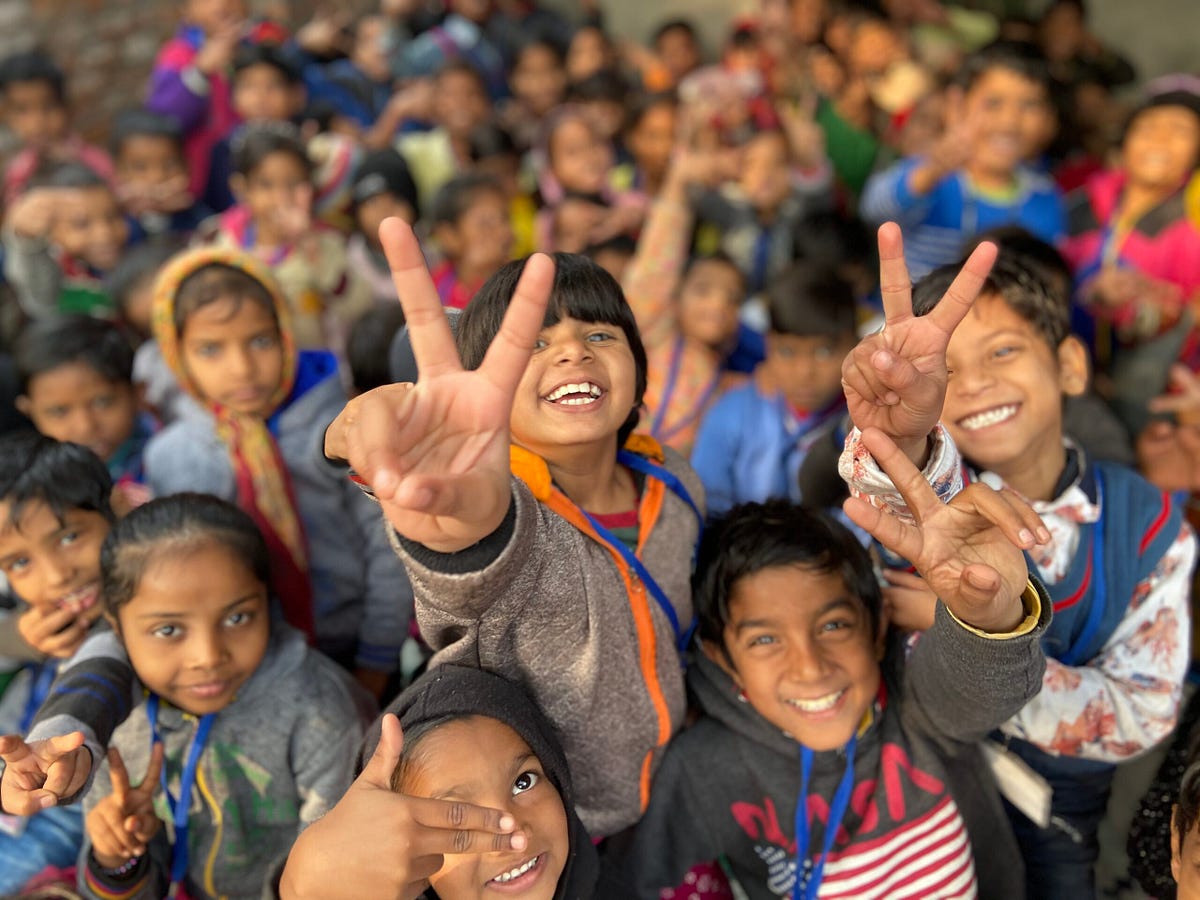
separately. For instance, in contrast to children in the USA, children in Africa use the term
happiness for themselves after only eating grain bread for a meal. When girls in poor
countries who cannot go to school, suddenly can, they decide that that is happiness, whilst
teenage girls in the USA are miserable at school. I would suggest there is also a generational
separation due to the fact that older people tend to show gratitude easier than young people.
More often than not is it easier to please an old woman in her 70’s than a teenage girl in her
17’s. Whereas older people are used to have less, younger people have a proneness to expect
more than they have, this also applies to happiness. Older people have a way of being more
pleased by themselves, whilst younger people obtain less happiness throughout their early
years. Why is that?
Expectations towards young people have always been high, we have always been expected to
attend school, balance it with a part time job later on when you turn about 16/17, be active,
respectful, happy. These prospects did not seem to be an issue, until later on during around the
2000th century, when social media and the internet made its appearance. Since then, suicide
and depression rates among teens and young adults have risen drastically, more teens struggle
to make friends due to higher anxiety rate, resulting in chronical loneliness. If social media is
to blame for all this, is discussable, despite its major role. One could also argue one of the
reasons is the unpreparedness of the adults and the people leading our countries. Social media
took the young generation by storm, and before we knew it, 1/3 of the teen population became
depressed. Imagine a life where you have the old expectations regarding school and
behaviour, yet now you have expectations regarding your looks as well, how you are
supposed to dress, walk, talk, your personality is already calculated by society. Life becomes unliveable. It is suddenly difficult to feel happiness on your own due to all the expectations
hovering over you all the time, so you take to other sources, such as your phone, books,
sometimes it develops into a dangerous addiction like smoking, drugs or alcohol.
 tropic ridge
 queen wedge
 tepid geode
 vestal hemlock
 barren star
 heady nova
 floral spoke
 hollow shard
 wild jewel
 prisma lake
 proud sorrel
 lime oar
 neat copper
 fickle pumice
 sweet coral
 vernal kayak
 turbid crow
 fervent valve
 crude sphinx
 craggy anchor

 hollow berry
 static estuary
 lament saddle
 ancient sparrow

 crisp egret
 peak cargo
 steel walrus
 indigo lintel
 dense magnet
 rigid forge
 tough ruin
 lyric marsh

 iron cloud
 glad quarry
 upper wigeon
 thorny pasture
 jolly fjord
 iron prism
 silk spindle
 humble quiver
 stable crater
 storm gust
 autumn portal
 thorny pollen
 neon sail
 jolly crystal
 dry acorn
 daring hemlock
 fallen crown
 clear musk
 frank stone
 reef hound
 rancid oxide

 cursive lion
 obsidian cape
 balmy ember
 mellow bear
 grizzled willow
 slow wasp
 pastel saddle
 tardy harbor
 gleaming pelican
 pliant prism
 storm vapor
 idle vale
 marble ferry
 swift wolf
 winter osprey

 wispy turret


 sturdy sable
 short olive
 spice vector
 bold plank
 shell kernel
 strong owl
 sage finch
 green crest
 urban lintel
 spark vector
 nocturne burrow
 tropic sandal
 golden skiff
 stuck pecan
 fast sable

 verbal spear
 sudden condor
 crimson patio
 robust spoke
 chilly jackal
 minor epoch
 odd goblet
 wheat yarrow
 summer parrot
 stoic flare
 abstract cargo
 rough wraith
 turbid needle
 upbeat hull
 trim condor
 molten geyser
 rocky goblet
 summer kindle
 barren geode
 haughty coral
 fossil saddle
 crimson quail
 meager pike
 olive ravine
 short hazel
 celest laurel
 gleaming ruin
 spice current
 abstract pulsar
 candid idol

 grizzled heron
 jagged kettle
 cinder goblet


 brisk halo
 lofty bough
 spring spoke
 olive path
 warm dawn

 lost reef
 mental wigeon
 languid anvil
 cerulean lake
 hoary bane
 smoky maple

 faint whale
 random moon
 proper sapphire
 crimson nimbus
 somber lantern
 storm glen
 west tree
 visual pagoda
 compact shore
 wanton field
 umbral marlin
 median olive
 night aspen
 plucky bluff
 stark plover
 twin girder
 lime apex
 long forge


 rustic linden

 vernal rivet

 timber lantern

 jagged ridge
 somber current
 glad charm
 fossil quest
 candid dust
 dense marten