#💽Programming Chat v2
1 messages · Page 41 of 1
 spare quartz
the os idea i did have one time and is written in a document somewhere details a more extreme microkernel
basically just permission rings but if we added more
give THIS specific process the ability to use io ports, but not that one
 timid quartz
macrokernel on top you’re just mad you’re not fast and you still haven’t really solved any problems with fault tolerance
spare quartz
"fault tolerance" and his system crashes when a vendor makes one oopsie 😭😭
crowdstrike looking ahh 😭
timid quartz
your userspace is still left degraded or unusable
spare quartz
nope
timid quartz
might as well have just crashed
spare quartz
not only is your statement HIGHLY dependent on whats crashed its not really true
if a peripheral driver dies thats fine
if a display driver dies thats fine
for you? both would crash
we can just restart it
timid quartz
how you gonna restart it if your peripheral dies lol
can’t type “restart” with no keyboard!!
timid quartz
what if your process manager dies :3
spare quartz
why would it die
timid quartz
cause it could
timid quartz
how
spare quartz
by sending a message
timid quartz
You can’t schedule a process if there’s no process scheduler
spare quartz
you can
and if you're ever at a point where IPC dies, which is usually one of the only things IN a microkernel
then you're just what-a-bouting and obviously theres no recovery
timid quartz
I’m just hearing microkernel inferiority tbh
spare quartz
yeah ok
tell me when you got your stupid little monolithic kernel not dying from a sneeze
timid quartz
oh it doesn’t dw
spare quartz
👃
timid quartz
It’s actually quite speedy
spare quartz
this mf would put his scrollbar code in his kernel to make things faster 😭
timid quartz
You also don’t get pretty visuals like this
 timid quartz
spare quartz
this mf would put his scrollbar code in his kernel to make things faster 😭
timid quartz
spare quartz
this mf would put his scrollbar code in his kernel to make things faster 😭
this mf would use gnu hurd
enough said
timid quartz
spare quartz
tell me when you got your stupid little monolithic kernel not dying from a sneez...
every minute my kernel stays alive proves how good my code is
spare quartz
remember… everything’s an external dependency..
timid quartz
Your entire kernel is an external dependency
spare quartz
no
timid quartz
Whereas mine is all bundled together in a nice little package
spare quartz
(full of external dependencies)
timid quartz
nah
Meanwhile if your kernel has no external dependencies it wouldn’t do anything except IPC
but there’d also be no processes
timid quartz
spare quartz
we just do a little outsourcing
(external dependencies)
spare quartz
no.
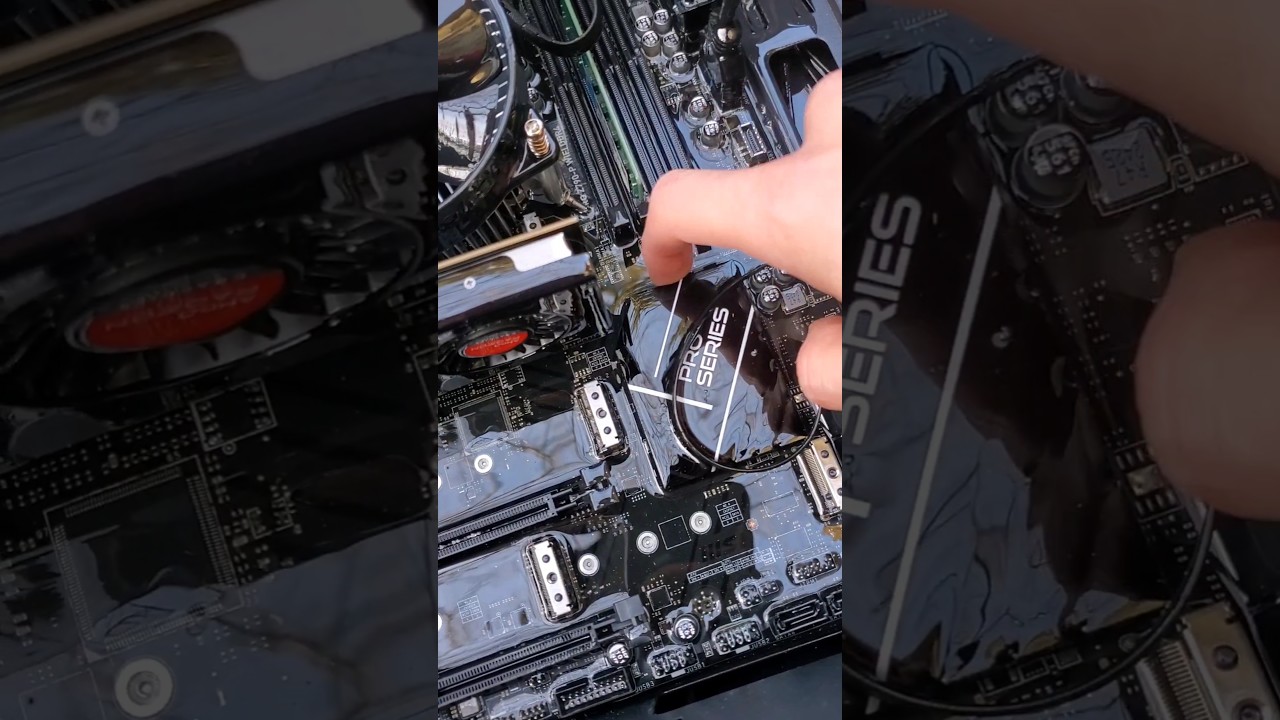
Covering an entire PC with epoxy resin to make it impossible to take apart #pc #pctips #pcbuilding #mryeester
need new thermal paste? check out YeesterPaste and all my thermal paste accessories! www.yeesterpaste.com
 lavish dove
spare quartz
https://youtube.com/shorts/V5OpYRz5_Ms?si=w_Vu0qxdjIerc7N_
lavish dove
spare quartz
https://youtube.com/shorts/V5OpYRz5_Ms?si=w_Vu0qxdjIerc7N_
thats what they do with waterproof laptops
lavish dove
spare quartz
I should write my own Intel firmware update
I was reading the intel docs
they are so fucking good
 radiant slate
Die

 spare quartz
good news
our bootloader's size limit went frrom 512 bytes
to
523.00800 kilobytes
timid quartz
What are you gonna do with all those bytes
timid quartz
ngl…I see why eating tide pods became a trend briefly…they feel kinda scrumptious
spare quartz
well yeah but this was during section loading 💀
having the loader set to 00s before it can load everything fully and jump is not optimal
timid quartz
o h
spare quartz
ultimately i also had to make QEMU load in 1 section at a time
or else i'd get a DMA error
timid quartz
L
 timid quartz
but now are you able to not do that?
spare quartz
wdym
spare quartz
yeah
spare quartz
spare quartz
basically what this dose
iso_9660_directory_read:
    mov di, 0x7E01
    mov cx, 0xFFFF
    repne scasw
    sub di, 2
    push dx
    mov ax, [di-23]
    mov dx, [di-21]
    mov cx, 2048
    div cx
    cmp dx, 0
    pop dx
    jz .iso_9660_directory_configure_load
    inc ax
.iso_9660_directory_configure_load:
    mov cx, ax
    mov DWORD [si+4], 0x00008600
    push DWORD [si+4]
    mov ebx, DWORD [edi-31]
    mov DWORD [si+8], ebx
.iso_9660_directory_load_chunked:
    call int13_extended_read_procedure
    add WORD [si+6], 0x80
    add DWORD [si+8], 1
    loop .iso_9660_directory_load_chunked
    pop DWORD [si+4]
    ret
pvd_disk_address_packet:
    db 0x10               ; Size
    db 0x00               ; Reserved
    dw 0x0001             ; Sector Count
    dw 0x0000             ; Transfer Offset
    dw 0x07E0             ; Transfer Segment
    dq 0x0000000000000010 ; Disk Block Number
scans for the file name (e.g. "KERN"), uses an offset from the name to get position in file/size
divides size by 2048 to get block count, sets the DAP to use the block position
and then loop adding 0x80 to the segment position of the DAP until block count is zero
additionally at the end it sets the DAP transfer position to the starting value with the pop there
probably not the best code but i tried being frugal
 timid quartz
what
timid quartz
im looking in audit logs
spare quartz
NO
timid quartz
interesting.
spare quartz
pls tell me you dont actually log images 😭😭
timid quartz
:3
timid quartz
I can't find it on yt
spare quartz
lemme get the link
its a video where bayachao actually speaks in english (albeit not the greatest)
 spare quartz
 rustic vine
https://cdn.discordapp.com/emojis/1316212547287781386.webp?size=96
rustic vine
https://cdn.discordapp.com/emojis/1316212547287781386.webp?size=96
no, it's not like that
actually
it is definitely like that
carry on
rustic vine
you're lucky nobody is locked in on moderating this place
spare quartz
cause we all moderate ourselves :3
simply a fault of windows clipboard for sending it
rustic vine
spare quartz
cause we all moderate ourselves :3
uh huh
everyone except for you apparently
spare quartz
spare quartz
simply a fault of windows clipboard for sending it
SIMPLY
a fault of windows clipboard
 proud creek
Did I hear moderate
proud creek

spare quartz
idk tz wearing a fursuit all day isnt good for acoustics
proud creek
rustic vine
proud creek
Did I hear moderate
oops! all code
I made a code joke in a non code channel and it went silent lol
spare quartz
rustic vine
I made a code joke in a non code channel and it went silent lol
whens the last time you shwoered
rustic vine
this morning
spare quartz
☣️
rustic vine
whens the last time YOU showered
spare quartz
no comment
rustic vine
brah
rustic vine
I've always showered every day and people tell me its bad
but idk my hair is fine so I've ignored them thus far
spare quartz
i think the only bad thing there is if you're constantly rinsing it in long showers
but different people have different hair
rustic vine
ye
spare quartz
uuugggggghhhhhhhh
running xorriso and nasm is so tedious
gonna try and make a simple assembler thing soon..

 lavish dove
spare quartz
gonna try and make a simple assembler thing soon..
lavish dove
spare quartz
gonna try and make a simple assembler thing soon..
im using parted and mtools
got fuckin annoyed by xorriso
 spare quartz

 timid quartz
spare quartz
ive still got no experience in how compilers work
timid quartz
spare quartz
ive still got no experience in how compilers work
I mean you can build an interpreter
So just uh
Instead of executing the code
Interpret it to binary
 timid quartz
spare quartz
you can't do that with assembly
timid quartz
spare quartz
you can't do that with assembly
no read what I said again
an interpreter executes the code
but as a part of that it has to parse each line
so replace the "code execution" part of an interpreter with a part that translates the assembly into binary
rustic vine
spare quartz
asy stuff
just invert the plant
spare quartz
timid quartz
so replace the "code execution" part of an interpreter with a part that translat...
...which is a compiler
spare quartz
im not saying i dont know the concept/how to build one
timid quartz
now if you want to do optimizations and jazz
rustic vine
🥺
 spare quartz
i know multiple passes
rustic vine
rustic vine
🥺
anyone familiar with these numbers
spare quartz
i know a bit how optimizations are implemented within compilers
timid quartz
color a graph in polynomal time 
spare quartz
in asm multipass optimization is very simple
timid quartz
right but what kind of optimizations are you doing multiple passes for :3
spare quartz
but the subject being replaced has 30 years of updates im up against
spare quartz
timid quartz
right but what kind of optimizations are you doing multiple passes for :3
match case for "-O"
timid quartz
right but what kinds of optimizations do those entail :3
 timid quartz
what kinds of things are you doing in your multiple passes :3
spare quartz
timid quartz
right but what kinds of optimizations do those entail :3
it.. says it
literally read the thing
rustic vine
spare quartz
literally read the thing
tough request in todays world
timid quartz
mm it's definitely doing more than it's specifying
rustic vine
rustic vine
🥺
HUH
 timid quartz
gotta do your constant propogation, redundancy elimination, reaching definitions, dead code elimination
spare quartz
the NASM testfiles for opts can be found here

GitHub
[:warning:OUTDATED] NASM, The Netwide Assembler (Mirror Git of http://repo.or.cz/w/nasm/github.git) - ncoden/NASM
timid quartz
data flow analysis
spare quartz
extrapolate and search the files as you see fit
timid quartz
timid quartz
gotta do your constant propogation, redundancy elimination, reaching definitions...
.
spare quartz
and most of that is irrelevant in ASM
timid quartz
this is what is done in the multiple passes
spare quartz
you cannot do "dead code elimination" for example
constants aren't a thing either
they're just a S&R
timid quartz
spare quartz
constants aren't a thing either
constant propogation isn't necessarily a constant how you would think
rustic vine
im gonna wait for the smart people to finish talking so I can ask my dumb question 😃
timid quartz
although this kinda falls under redundancy elimination, you can do stuff like detecting that you compute a+b once and don't ever re-define a or b and then replace every re-calculation of a+b with either the evaluated constant or a reference if you cant evaluate it at comptime
spare quartz
timid quartz
although this kinda falls under redundancy elimination, you can do stuff like de...
can't do that in asm either
timid quartz
...yeah you can
rustic vine
im trying to understand how the butcher tableau of RK integration methods were calculated/came-about
idk how it works cause wikipedia just gives them to you as magic numbers and doesn't elaborate
and so does every other paper
timid quartz
if your assembly is being outputted by gcc then yeah gcc already does most of this
rustic vine
its not a big deal though. I don't need to know, I was just curious
timid quartz
but if your assembly is being written directly by humans then there's places to optimize
spare quartz
GCC is not an assembler
spare quartz
it's not an assembler though
rustic vine
this code sucks session terminated
spare quartz
rustic vine
im trying to understand how the butcher tableau of RK integration methods were c...
"smart people talking" and you say this
rustic vine
no bruh I swear its simple
the RK4 one looks really simple
but the dormand-price one is like 20 random numbers

this
I think bro just willed this into existence one day
spare quartz
where are the values used
timid quartz
ew numbers
rustic vine
spare quartz
where are the values used
dormand price integration
its the coeffs for it
timid quartz
spare quartz
it's not an assembler though
ok well seems like we're talking about different things
you had mentioned that you didn't have experience with implementing a compiler and then linked an assembler
spare quartz
rustic vine
dormand price integration
the only thing i can think about when given "seemingly random" numbers like this is just as a way to fingerprint, but thats about all i can give
probably not whats going on here
spare quartz
timid quartz
you had mentioned that you didn't have experience with implementing a compiler a...
because an assembler is a compiler, just with less steps and/or a different outcome
an assemblers job is to turn assembly language into machine code, a compilers job is to do the same, but at a more generic level: it could convert C to IR for example
rustic vine
yeah I think I'm just meant to take these coeffs at face value and not try to think about why they are what they are
thats fine
I was just wondering if anyone had any insight
spare quartz
IR doesn't have the same "significances" as ASM like flag or data placement, the compiler can put whatever
timid quartz
I am well aware
spare quartz
therefore, optimizations exist, but they're different or not relevant to assembly
timid quartz
the general flow of a high level compiler is to take your high level language, make it IR and optimize the IR, and then take the IR and output machine assembly for it
im taking a class on this fgs
spare quartz
spare quartz
therefore, optimizations *exist*, but they're different or not relevant to assem...
i get that 😭 im just trying to make this clear
timid quartz
I mean ig not
the fact that you can't optimize assembly in a similar way to IR doesn't entirely make sense
because I can write two different .s files that do the same thing but one is more "optimal"
spare quartz
that's too generic though
timid quartz
without caring about CPU state or flags too much
spare quartz
you can make a superior version of something, thats the end result, but we're talking about the destination to the result
spare quartz
timid quartz
without caring about CPU state or flags too much
the assembler just can't make the type of assumptions a regular higher-level compiler could is the fact of the matter
(it's always about assumptions...)
timid quartz
im assuming that i can send a missile to your house
timid quartz
too bad
timid quartz
no I don't
spare quartz
but even if you did have one it'd probably be too complex for a test sample :<
timid quartz
it'd probably be too fat
spare quartz
i should really write unit tests for our processor
viewing disassembler output and stepping in qemu at the same time makes my brain itch
spare quartz
timid quartz
it'd probably be too fat
the thing is even something as inoccuous as QEMU is really bad to debug
since it's literally it's own micro-kernel
it does so many instructions that it just causes my output to die
NOT QEMU
god ... GRUB
always get the two mixed
timid quartz
well at least with rust
you could be delivered from gdb
and go to a similar hell called lldb
timid quartz
spare quartz
i was gonna ask if you had a kernel written in rust i could maybe see
wait...
you're not using kotlin/native are you
for your kernel
spare quartz
.. why would i??
and do you know how many hoops i'd have to go thru
ufedmi_k is written in ada
timid quartz
spare quartz
.. why would i??
idk cause you like Kotlin and you like doing crazy things that are unconventional and challenging
spare quartz
um
a cpu in minecraft is very conventional
and two
not challenging. just tedious.
everything in programming is easy its just tedious
spare quartz
i dont know what polynomial time means or what a polynomial is
also what does color mean in this context
or graph
timid quartz
This guy doesn’t know graph theory or big O
spare quartz
YEAH CAUSE I DONT DO MATH
timid quartz
A graph is a collection of nodes linked together by edges
spare quartz
what is an edge
 spare quartz
is an edge another name for reference
timid quartz
I mean you could think of it that way but this has little to do with code right now
spare quartz
aera i literally can only code 😭
timid quartz
An edge just indicates some “connection” between the nodes
Like it could be a road between a city
Or a reference
There’s different ways to think about it
spare quartz
well a reference is just another name for a datums relation to another datum
e.g. a pointer is a reference to memory address from a memory address
timid quartz
A valid graph “coloring” assigns “colors” to nodes such that no two nodes connected by an edge have the same color
spare quartz
ohhh
timid quartz
timid quartz
So like for this, a valid coloring is
0: red
1: blue
2: green
3: red
4: blue
Now
Since everything in programming is easy
Write me an algorithm that takes a graph
Oh wait I didn’t explain polytime
spare quartz
timid quartz
So like for this, a valid coloring is
0: red
1: blue
2: green
3: red
4: blue
so this would also be valid right
 spare quartz
cool okay
timid quartz
timid quartz
Oh wait I didn’t explain polytime
ok so basically big O is a measure of the worst case runtime of a program relative to the program’s inputs
spare quartz
i know what big o means
timid quartz
So O(1) or “constant time” means that your program will always have the same runtime no matter the size of the input
spare quartz
just not how to actually calculate or applicate it
timid quartz
Polynomial time is O(n) meaning the programs runtime scales linearly with the input size
lavish dove
are you guys talking about graphs
timid quartz
lavish dove
are you guys talking about graphs
Yeah ATP said everything in programming is easy so I’m challenging ATP to write an algorithm that colors a graph in polynomial time
But had to give some background
spare quartz
timid quartz
Polynomial time is O(n) meaning the programs runtime scales linearly with the in...
so how would i know if my algorithm is polynomial time
lavish dove
wait so
why would you need a graph in polynomial time
isnt the point of a graph to be simple to read
spare quartz
its a challenge
spare quartz
but what does polynomial time actually implicate
timid quartz
3-coloring means “use at most 3 colors”
spare quartz
as far as i understand running a time benchmark on an algorithm and deriving big o is useless
theres too many variables
timid quartz
Iterating over an entire array with a for loop
Yeah
Because the more elements in the array
The more loops you do
And it’s 1:1
spare quartz
oh wait so
big o isn't actually definitive of the actual algorithm
its just how it would perform if it were like
timid quartz
So for a 3-coloring of a graph, a polytime algorithm would only iterate over each node once
spare quartz
an abstract computation taken literally... i think
timid quartz
timid quartz
So for a 3-coloring of a graph, a polytime algorithm would only iterate over eac...
Or well it wouldn’t have any nested loops
spare quartz
(wait no, big o is for the ALGORITHM, not the IMPLEMENTATION, at least on the actual execution layer)
spare quartz
timid quartz
So for a 3-coloring of a graph, a polytime algorithm would only iterate over eac...
okay ill try..
lemme open roblox
timid quartz
Yeah big O is abstract
 timid quartz
spare quartz
(wait no, big o is for the ALGORITHM, not the IMPLEMENTATION, at least on the ac...
timid quartz
spare quartz
(wait no, big o is for the ALGORITHM, not the IMPLEMENTATION, at least on the ac...
Well like for example you can look at someone’s code and determine the big O
spare quartz
ooooookayyy graph representation,,,
spare quartz
timid quartz
Well like for example you can look at someone’s code and determine the big O
i couldnt
timid quartz
It’s a thing that’s possible
One class I took was literally so stringent about big O
spare quartz
like taking this immediately at face value
 timid quartz
We had to implement stuff for data structures within certain big O constraints
timid quartz
spare quartz
like taking this immediately at face value
I can already tell your code is O(n) (which it should be tbh) because you’re going through every element of your stream
spare quartz
well.. kinda..
an element could itself pull another element
wouldn't that make that iteration... not "1" in n
timid quartz
well that wouldn’t really increase the big O
What WOULD increase the big O is if one of your elements were to cause another iteration over the entire stream
So like
spare quartz
a recursive function over an array?
timid quartz
while …
“case” => while …
timid quartz
spare quartz
a recursive function over an array?
you probably don’t know sorting algorithms but “naive” sorting algorithms are O(n^2) because, for each element in the array, you’re comparing it to every other element to find the right spot
spare quartz
timid quartz
you probably don’t know sorting algorithms but “naive” sorting algorithms are O(...
i only know one sorting algorithm
all the others i just know because they're of use for (problem)
and promptly forget
timid quartz
what algo I’m curious
spare quartz
spare quartz
and promptly forget
(it is EXCEEDINGLY rare for me to need a sorting algorithm which is why..)
timid quartz
I’m personally an in-place quick sort fan
But I can’t implement it off the top of my head cause I’ve never needed to
spare quartz
ada (23, if you use a compiler compliant with the parallel RFC) makes a parallel divide/conquer sort pretty easy to implement, i forgot exactly which algorithm it is in the example though
timid quartz
anyways I’m going to sleep have fun 3-coloring graphs in O(n)
 timid quartz
spare quartz
first i gotta find out how i wanna implement it first :<
timid quartz
spare quartz
first i gotta find out how i wanna implement it first :<
would make Graph a collection of Node
And Node contain a number, color, and array of other Nodes to represent your edges
timid quartz
Well you gotta have the basics at least
You gotta have nodes with room for color in them
And you gotta store your edges somewhere
timid quartz
A graph can be used to represent many things
spare quartz
local colored = { [color]: { node ref } }
therefore no data needs to be in the node
hm
timid quartz
Yeah tbh you don’t need to store data so
spare quartz
yknow what i think i can just have graph be an array of graphs
a memory address is good enough
timid quartz
spare quartz
yknow what i think i can just have graph be an array of graphs
also valid because you can consider a graph as a set of sub-graphs
spare quartz
well, it has to be contained somewhere
timid quartz
A graph is looser than a tree
timid quartz
A tree is a graph
Always
It’s like how a square is always a rectangle but a rectangle isn’t always a square
A tree is just a type of graph
spare quartz
timid quartz
There’s not really a top node in a graph
okay so this setup is okay then
timid quartz
I’m asking you to make an algorithm to 3-color graphs in general
spare quartz
yes yes i just wanna make sure i understand everything
timid quartz
And a general graph may not have the same restrictions as a tree
spare quartz
anyways this suffices
 timid quartz
I mean if you can understand how to represent edges there
It’s a lot easier for me to even think as just a Node object
And have the edges be an array of Node <-> Node pairs
spare quartz
well
the existence of a graph within another graph is enough to count as an edge between those two
spare quartz
between the contained and container edge
timid quartz
Because if you have say “A B” and “C D” with an edge between them
What exactly two nodes does the edge connect?
This is important
An edge always connects exactly two specific nodes
spare quartz
 timid quartz
Right that’s a tree
spare quartz
thinking cap time
 spare quartz
timid quartz
spare quartz
timid quartz
A
spare quartz
timid quartz
That
this could be represented in this model too
G4 just contains G1
(implementation wise this could cause errors...)
timid quartz
Ok well as long as you think you have things represented correctly
spare quartz
i just gotta think
timid quartz
If you hit a roadblock with your representation then I recommend the approach I mentioned earlier cause it’s very easy to reason with
Anyways I sleep
spare quartz
kohaku,,,
bayachao,,
<3
@timid quartz
type Graph = { Graph }
type ColorGraph = { [number]: { [Graph]: boolean } }
local graph: Graph = { {}, {}, { {}, {} } }

local function colorize(g1: Graph, gc: ColorGraph?): ColorGraph
    local gc = gc or {}
    local pc = (gc[1] or {})[g1]
    for _, g2 in g1 do
        local idx = if pc then 2 else 1
        local chk = gc[idx]
        if not chk then
            chk = {}
            gc[idx] = chk
        end
        chk[g2] = true
        colorize(g2, gc)
    end
    return gc
end
-- All elements are iterated thru exactly once, "O(n)"
-- CS is weird

print(graph)
print(colorize(graph))

plz confirm
lavish dove
woah
to make a bios for qemu all you haved to do is have 65536 aligned code
it even starts at rip=0
timid quartz
spare quartz
<@195942662241648640>
```lua
type Graph = { Graph }
type ColorGraph = { [number...
Could you draw the graph
I can’t really visualize how you’ve made it
spare quartz
timid quartz
Could you draw the graph
Mmm
I’m on mobile rn,,,
The numbers below are the colors
The memory addresses are the nodes
And an edge is the existence of a node in* the containing node
timid quartz
yeah I think I just can't really visualize the edges
spare quartz
timid quartz
yeah I think I just can't really visualize the edges

Tried
Oh god that looks awfully compressed
timid quartz
ok that's what I thought I just wanted to make sure
your graph is quite trivial
but you did successfully color it
now try coloring
. A
/
B -- C
wtf
ok thanks discord
spare quartz
Okay let me
Wake up
spare quartz
timid quartz
. A
/ \
B -- C
to do this ill need to do two things (after wolfenstein)
- create a secondary map for [Node] -> color indexing
and
- add a color queue based on g1/g2
spare quartz
accidentally discovered katakanam ode
spare quartz

@timid quartz okay back to coding graphs

hopefully this is "nontrivial" enouggh for your specifications
timid quartz
spare quartz
hopefully this is "nontrivial" enouggh for your specifications
oh ill give you another one after this
because this one is also fairly trivial
spare quartz
okay give it to me right now if its the same topic
timid quartz
ugh fine
spare quartz
cause chances are ill make this function specifically for that graph
timid quartz
 spare quartz
timid quartz
spare quartz
timid quartz
DEVIL CONNECTION REFERENCE
timid quartz
spare quartz
cause chances are ill make this function specifically for that graph
your algorithm needs to be generic enough to work on any graph given to it
spare quartz
ばやちゃお!!!!!!!
timid quartz
and if a graph isn't 3-colorable you can uh
return whatever you like to indicate that
spare quartz
timid quartz
anyways lemme see on how i would implement this
this is the type of problems kids always ask about
"when will we ever do this in the real world?"
it is a 1 in 1 billion chance of getting any practical use out of needing to color a devil summoning circle in your code
spare quartz
yeah but only mega nerds would call that graph coloring
i'd just call it a stack
anyways arrangement set, variable time
 spare quartz
wdym
spare quartz
i can't
not without adding unneeded complexity
that algorithm i came up with is specifically for trees with no circular references
spare quartz
it is
you've in fact, given me a proof of that
by having to type out the self referential nightmare of this
 timid quartz
spare quartz
you've in fact, given me a proof of that
timid quartz
spare quartz
you've in fact, given me a proof of that
I just don't think you know enough CS theory to understand what I'm asking you to do
timid quartz
well...
knowledge of a certain part of theory would have made this entire problem a lot easier
or at least arriving at the correct answer
spare quartz
well, if you could, tell me how this would actually matter in an application
timid quartz
a compiler doing register allocation is most forthcoming
spare quartz
because this might appear in your theory, but, it's not how something, at least, anything that i could come up with, would actually function
i love discord freezing
timid quartz
timid quartz
a compiler doing register allocation is most forthcoming
like when you're transforming IR (which has an infinite number of virtual registers) to assembly (which has a finite number of physical registers), to fit everything in the registers in an efficient manner, one approach is building a graph where the nodes represent variables and edges represent an "interference" (where both need to be in registers at the same time)
you then use the physical registers as colors
if you can color the graph then you're chill
if you can't then you have to "spill" one or more virtual registers onto the stack
spare quartz
why can't you just
not have registers exist at the IR level
and have it all be the stack
then during MCG make the top part stack register bound
timid quartz
I mean you COULD but consider the case where you want to minimize memory ops
spare quartz
spare quartz
then during MCG make the top part stack register bound
yeah
timid quartz
and even then you often end up with multiple variables overlapping
even if you do store them all on the stack
requiring some management of physical registers
spare quartz
yeah thats why im saying making the top part of the IR stack actually register bound in the mc
and then the parts not in the register bound part of the ir stack are in the mc stack
(this may or may not actually work to be frankly honest: just how i would approach)
spare quartz
i dont see why not
timid quartz
Imagine you have a variable in the machine code stack right
spare quartz
sure
timid quartz
you could end up with a portion of your code where one of the variables stored in the registers gets stored to memory and isn't used for a time
but your allocation would probably just keep it in the register unused
you'd need some further kind of analysis to detect that
spare quartz
hmmm.. good point... but we can see where each part of the IR stack is used, and when it is used
if something isn't used very often that's in the upper half of the IR stack, we can lower it and bring up the thing ahead further up
if no further uses for that thing exist in the function anywhere ahead, we can just pop it
timid quartz
and now you've taken half a step towards what I mentioned anyways
cause that doesn't entirely solve the above problem it just reduces when it could occur and the impact it would have
 timid quartz
with each node+number representing a "virtual register" or "IR variable" (however you want to think about it cause they mean the same thing), with each edge representing variables being needed at the same time ("interfering"), and with each color being a physical register

this identifies that 1, 2, and 4 are never needed at the same time, so the blue register can be used for each of them whenever they're needed
whereas with your implementation (and still assuming 3 physical registers), you'd probably just have 1 and 2 permanently stored in registers, and use the last register to swap between 3, 4, and 5 that are stored on the machine stack
which while it works is less optimal
rustic vine
spare quartz
 spare quartz
timid quartz
whereas with your implementation (and still assuming 3 physical registers), you'...
spare quartz
timid quartz
whereas with your implementation (and still assuming 3 physical registers), you'...
hmmm
the allocation in each register would depend on how exactly 1/2 are used
if its in a spot of rich use of 1/2, then yeah they'd probably be stored for the entire duration
but if that suddenly becomes 1/4, 2 falls
timid quartz
but at this point you're basically doing what the graph does
spare quartz
i dunno i just can't think about how you can with graphs
timid quartz
but arguably less convoluted
well
the GRAPH is less convoluted
imo
I can reason with the graph a lot easier
spare quartz
for me the IR/MC stacks are just easier to keep in my head
i still have not typed out the pentagram vars yet 😭
timid quartz
and yes this is theory but this also gets applied via programming
so yknow...either doing register allocation via graph coloring would be really tedious for you...
or it wouldn't be as easy as you're saying...
spare quartz
spare quartz
it's as easy as im saying
as you've said... what im doing is effectively what you're doing
just in another format
timid quartz
it's effectively the same thing
but more convoluted and probably less optimal
anyways you can stop with the graph coloring now
spare quartz
I DIDNT EVEN GET TO WRITE ANY CODE 😭
timid quartz
well if you want
spare quartz
stupid cs students tricking me into talking over actually doing my job
timid quartz
but I'll just go ahead and tell you
I had full intention of watching you burn yourself out solving a problem that people smarter than either of us combined are 90% sure is impossible
spare quartz
well those people are stupid
timid quartz
our current math and theory knowledge holds that finding the minimal coloring of a graph is not possible in polynomial time
you can look up NP-completeness if you want the theory
spare quartz
timid quartz
our current math and theory knowledge holds that finding the minimal coloring of...
well
at least tree coloring is possible...
timid quartz
tree coloring is trivial
because a tree is basically a bipartite graph
and a bipartite graph is always 2-colorable
spare quartz
thats a word i do not know about funny man
timid quartz
(bipartite meaning you can separate the nodes of a graph into two "sides" where all the nodes on each side have no edges between them, only edges to the other side)
 spare quartz
timid quartz
I had full intention of watching you burn yourself out solving a problem that pe...
spare quartz
timid quartz
I had full intention of watching you burn yourself out solving a problem that pe...
anyways lemme try now
timid quartz
this graph is bipartite
 spare quartz
doing something weird within a certain iteration that is itself not iteration
is still polynomial time right
timid quartz
mmm it depends
spare quartz
like if i have a giant if chain, but none of the results causes an iteration, just some arithmetic or whatever
timid quartz
considering what we know it would probably make it not polynomial
timid quartz
are these if statements traversing nodes
timid quartz
mm it might remain polynomial but might not be correct in all cases
well
would PROBABLY not be correct in all cases
someone would probably find a counter case
spare quartz
thats a lot of probablys
timid quartz
spare quartz
the gist of NP-completeness is this
- some problems are solveable in polynomal time (we call the set of those P)
- some problems are verifiable in polynomail time (we call the set of those NP)
- verifiable means that someone can check it for correctness, so like they give you their "solution" and you can check it for correctness in polynomial time
- some problems are neither (we call the set of those NP-Hard)
- NP-complete is the overlap between NP and NP-Hard
- somebody smarter than us made a giant proof for one particular problem showing that it is NP-Complete
- since then we've found ways to "coerce" other problems into being that one particular problem, and by doing that, we can say those problems are also NP-Complete
spare quartz
just making a reference for myself ignroe
 timid quartz
if you were to somehow solve the minimal coloring problem in polynomal time you would have proved P = NP and you'd probably make millions
spare quartz
could you imagine how much bayachao merch i could buy with that money
spare quartz
timid quartz
the gist of NP-completeness is this
- some problems are solveable in polynomal t...
anyways rx'd ... who made that problem if you know
timid quartz
uhh the problem itself that has the giant proof is called "satisfiability" or SAT
spare quartz
so multiple collaborators i assume?
timid quartz
SAT is basicallt
you're given a boolean expression that's expressed as ANDs of ORs
so (... or ... or ...) and (... or ... or ...) and ...
spare quartz
oh wait is this logic
timid quartz
yeah
and finding a "satisfying" assignment s.t. the entire expression is true is NP-complete
the theorem that pertains to the NP-completeness of SAT is https://en.wikipedia.org/wiki/Cook–Levin_theorem
In computational complexity theory, the Cook–Levin theorem, also known as Cook's theorem, states that the Boolean satisfiability problem is NP-complete. That is, it is in NP, and any problem in NP can be reduced in polynomial time by a deterministic Turing machine to the Boolean satisfiability problem.
The theorem is named after Stephen Cook an...
spare quartz
let him cook
curious question
does logic account for like
take (A and B) or C
does both A and B and C have to be computed
or is short circuiting just A and B ok
timid quartz
I mean you could but that problem is of the wrong form for SAT
an input for SAT must have the form (... or ...) and (... or ...) and ...
timid quartz
spare quartz
take `(A and B) or C`
this is just trivial
spare quartz
trivial in what way
timid quartz
well you just find one thing to satisfy either clause of the or
and you're done
solveable in P
you can extrapolate that to any number of (... and ...) blocks
spare quartz
im just thinking about if https://en.wikipedia.org/wiki/Lazy_evaluation exists in this math crap
In programming language theory, lazy evaluation, or call-by-need, is an evaluation strategy which delays the evaluation of an expression until its value is needed (non-strict evaluation) and which avoids repeated evaluations (by the use of sharing).
The benefits of lazy evaluation include:
The ability to define control flow (structures) as abs...
timid quartz
timid quartz
it does
which is why solving a problem that looks like (A and B) or C is trivial
because you can assign C = True and be done
spare quartz
hmm
timid quartz
you effectively "short circuit" the entire expression
spare quartz
soo
((A or A) and (B or B)) and ((not ((A or A) and (B or B))) and C)
would this be in the right form
 spare quartz
peculiar
so i can't do not; a and b, but i can do not a; and; not b
is what im hearing
timid quartz
 timid quartz
spare quartz
so i can't do not; a and b, but i can do not a; and; not b
timid quartz
spare quartz
so i can't do not; a and b, but i can do not a; and; not b
yeah
spare quartz
i wonder why that is (but i wont instigate on it since this theory stuff isn't something i plan to become a student in, just "know" for whenever)
timid quartz
idk some math jazz that math people agreed on
spare quartz
this is why we hate mathematicians
timid quartz
but the way that you can "prove" that the graph coloring problem is np-complete is by morphing it into SAT
you can consider 3-SAT where the only difference is that each disjunction only has at most 3 variables
for each variable you can construct a node in the graph
spare quartz
 timid quartz
man I forgot the reduction
anyways
you can morph SAT into looking like the 3-coloring problem
and you can morph the 3-coloring problem into the k-coloring problem where k is some arbitrary number of colors >= 3
spare quartz
hold on i need to think about the problem
hold onto this for a second


there is an exploitable pattern here
in fact im pretty sure i've made it, just as a joke once while doing power simulation
just gotta figure out how i did it
also hold this
 spare quartz
HOLY SHIT
 proud creek
Orb
spare quartz
 timid quartz
real
spare quartz
ファック
timid quartz
spare quartz
https://wetdry.world/deck/@[email protected]/114135817446309557
Yknow this made me think
Stack cringed architectures like the JVM are basically just bloated Turing-complete reverse Polish notation calculators
timid quartz
Google it
timid quartz
Yes
timid quartz
Hold
spare quartz
PUSH A
PUSH B
ADD <pops A, B>
MOV EAX, 40
MOV ECX, 2
DIV [[EDX]:EAX, ECX]
also twitter is down ☹️
no more bayachao content for me
timid quartz
Yeah so
Basically every RPN calculator I’ve seen and used also operates similar to Java with a stack
4<ENTER>
3<ENTER>
+<ENTER>
timid quartz
spare quartz
PUSH A
PUSH B
ADD <pops A, B>
It just reminded me of the JVM because of this
spare quartz
well
timid quartz
spare quartz
no more bayachao content for me

timid quartz
pixiv time
spare quartz
timid quartz
<a:HAHAHAHAHA:1254902236258111555>
she has a bsky so thats good enough

also their new game won an award so thats cool
timid quartz
spare quartz
yeah thats how every standard architecture works though
I think the JVM is slightly different and is more similar to an RPN calculator
spare quartz
i guess so
timid quartz
Because like you said in JVM bytecode you’d do like PUSH PUSH ADD
spare quartz
yeah
USUALLY you'd do the same in x86/ARM with MOV reg/reg, but that could be out of order
timid quartz
whereas with like x86 you’d do LW into reg LW into reg ADD both regs
I think the difference that I noticed was that the arithmetic operations in the JVM implicitly use the stack whereas other architectures may be explicit
Arithmetic operations among other things
Similar to how if you were to press the plus key on an RPN calculator, you would implicitly use the top two items on the stack
spare quartz
honestly im not sure what architecture the jvm is closest to (aside from its discrete details like stack-based)
i know it's kind-of a RISC
since most instructions are a byte long, and those that aren't have discrete sizes
spare quartz
timid quartz
I think the difference that I noticed was that the arithmetic operations in the ...
also wait
wdym by this
implicit, in what way?
timid quartz
stack-cringed*
spare quartz
i should NEVER give you another post from fedi again
timid quartz
spare quartz
implicit, in what way?
like you do ADD rather than ADD <explicit values>
spare quartz
well, the same also happens in x86
timid quartz
the use of values from the stack is implicit
timid quartz
spare quartz
well, the same also happens in x86
?
spare quartz
a DIV operation for example
it implicity operates and returns in D/A
the only operand is the divisor
timid quartz
hm didnt know that
spare quartz
MUL too
timid quartz
i dont know that much x86 :p
spare quartz
you should make your own cpu...
timid quartz

spare quartz
itlll give you extra crediot..
timid quartz
noitwont
spare quartz
:<
spare quartz
pizza TTL 41 minutes
timid quartz
spare quartz
pizza TTL 41 minutes
I believe you'll find TTL is not measured in minutes smh
how many hops for the pizza
spare quartz
timid quartz
I believe you'll find TTL is not measured in minutes smh
sir
i am not writing an extension to TCP for pizza
this is my own system.
timid quartz
well good luck measuring time between multiple hops :3
spare quartz
timid quartz
well good luck measuring time between multiple hops :3
ermm
japan postal service and usps... would like to talk to you..

 pallid loom
spare quartz
its just dated
pallid loom
spare quartz
its just dated
its still used a lot
iirc by default the arduino ide does both \r & \n for newlines
pallid loom
"In both ASCII and Unicode, the carriage return is assigned code point 13 (or 0D in hexadecimal); it may also be seen as control+M or ^M. In character and string constants in the C programming language and in many other languages (including representations of regular expressions[2][3]) influenced by C, \r denotes this character.[4]"
spare quartz
im just looking at replicating QEMU and LF* is for y++ and CR is for x = 0
 snow oak
dear programmers in the chat...
local vm_module = {}

local ReplicatedStorage = game:GetService("ReplicatedStorage")
local RunService = game:GetService("RunService")

local modules_folder = ReplicatedStorage:WaitForChild("Modules")
local events_folder = ReplicatedStorage:WaitForChild("Events")
local viewmodels_folder = ReplicatedStorage:WaitForChild("Viewmodels")

local current_camera = workspace.CurrentCamera

vm_module.functions = {
    on_equip = function(tool: Tool)
        if not tool then
            return
        end

        local possible_vm = viewmodels_folder:FindFirstChild(tool.Name)

        if possible_vm then
            local real_vm = possible_vm:Clone()

            real_vm.Parent = vm_module.objects.Camera
            vm_module.functions.viewmodel_loop(real_vm)
        end
    end,

    on_unequip = function()
        local vm = current_camera:FindFirstChildOfClass("Model")

        if vm then
            if vm:FindFirstChild("CameraBone") then
                vm:Destroy()
            else
                return
            end
        else
            return
        end
    end,

    viewmodel_loop = function(vm)
        if not vm then
            return
        end

        RunService.RenderStepped:Connect(function()
            vm:PivotTo(current_camera.CFrame)
        end)
    end,
}

return vm_module
which i found peculiar
pallid loom
spare quartz
im just looking at replicating QEMU and LF* is for y++ and CR is for x = 0
you're looking at doing what
snow oak
snow oak
dear programmers in the chat...
```lua
local vm_module = {}
local ReplicatedSto...
using this module on the client if you couldn't tell already
spare quartz
pallid loom
you're looking at doing what

 pallid loom
snow oak
dear programmers in the chat...
```lua
local vm_module = {}
local ReplicatedSto...
pallid loom
snow oak
dear programmers in the chat...
```lua
local vm_module = {}
local ReplicatedSto...
it'd be nice if you said the problem and added debug statements
snow oak
pallid loom
it'd be nice if you said the problem and added debug statements
nope
it works
just looking for any tips
spare quartz
no that's too simple
pallid loom
and to be clear we're talking about
qemu
the virtual machine software
not something else
spare quartz
this is our implementation of a BIOS and x86 cpu for our mod, im just trying to replicate QEMU's bios since most operating systems are aqquainted with it
spare quartz
pallid loom
not something else
and yes
pallid loom
why
spare quartz
cause its fun
spare quartz
anyways the issue is X isn't being calibrated properly on our simulator, which causes a deficit of exactly 1 blank line
i am not autistic .
pallid loom
acoustic
snow oak
snow oak
dear programmers in the chat...
```lua
local vm_module = {}
local ReplicatedSto...
local vm_module = {}

local ReplicatedStorage = game:GetService("ReplicatedStorage")
local RunService = game:GetService("RunService")

local modules_folder = ReplicatedStorage:WaitForChild("Modules")
local events_folder = ReplicatedStorage:WaitForChild("Events")
local viewmodels_folder = ReplicatedStorage:WaitForChild("Viewmodels")

local current_camera = workspace.CurrentCamera

function vm_module.on_equip(tool: Tool)
    if not tool then
        return
    end

    local possible_vm = viewmodels_folder:FindFirstChild(tool.Name)

    if possible_vm then
        local real_vm = possible_vm:Clone()

        real_vm.Parent = vm_module.objects.Camera
        vm_module.functions.viewmodel_loop(real_vm)
    end
end

function vm_module.on_unequip()
    local vm = current_camera:FindFirstChildOfClass("Model")

    if vm then
        if vm:FindFirstChild("CameraBone") then
            vm:Destroy()
        else
            return
        end
    else
        return
    end
end

function vm_module.viewmodel_loop(vm)
    if not vm then
        return
    end

    RunService.RenderStepped:Connect(function()
        vm:PivotTo(current_camera.CFrame)
    end)
end

return vm_module
changed it around a bit
spare quartz
you should look into sending your messages as files but otherwise its fine
spare quartz
yes i have actual ocd from my dad
pallid loom
there are cables everywhere.
spare quartz
not the "perfectionist" ocd thats on the interwebs
spare quartz
pallid loom
there are cables everywhere.
it works 👍
pallid loom
somehow...
just a matter of time until something blows up
is the HDD still hanging
spare quartz
yeah
pallid loom
incredible
spare quartz
these SATA cables are no joke
that specific hard drive isnt spinning rn though
so if it does fall it'll be fine
spare quartz
snow oak
```lua
local vm_module = {}
local ReplicatedStorage = game:GetService("Replicat...
anyways few things

you should probably be early returning
pallid loom
spare quartz
that specific hard drive isnt spinning rn though
why is it connected then
spare quartz
cause its in a RAID array
 pallid loom
oh btw i've just come to a great realisation
my server is under my 3d printer
my 3d printer does resonance calibration
spare quartz
also the hanging hard drive is frrom 2007 so ill be surprised if it dies by shock over age
spare quartz
i don't think modern hdds are really susceptible to noise like that
just physical shock
pallid loom
pallid loom
surprised my hdds are still running
wasn't kidding
server is in the cage

you can see the faint white light of the gpu
spare quartz
how does that shake the room
pallid loom
you'd be surprised
spare quartz
 pallid loom
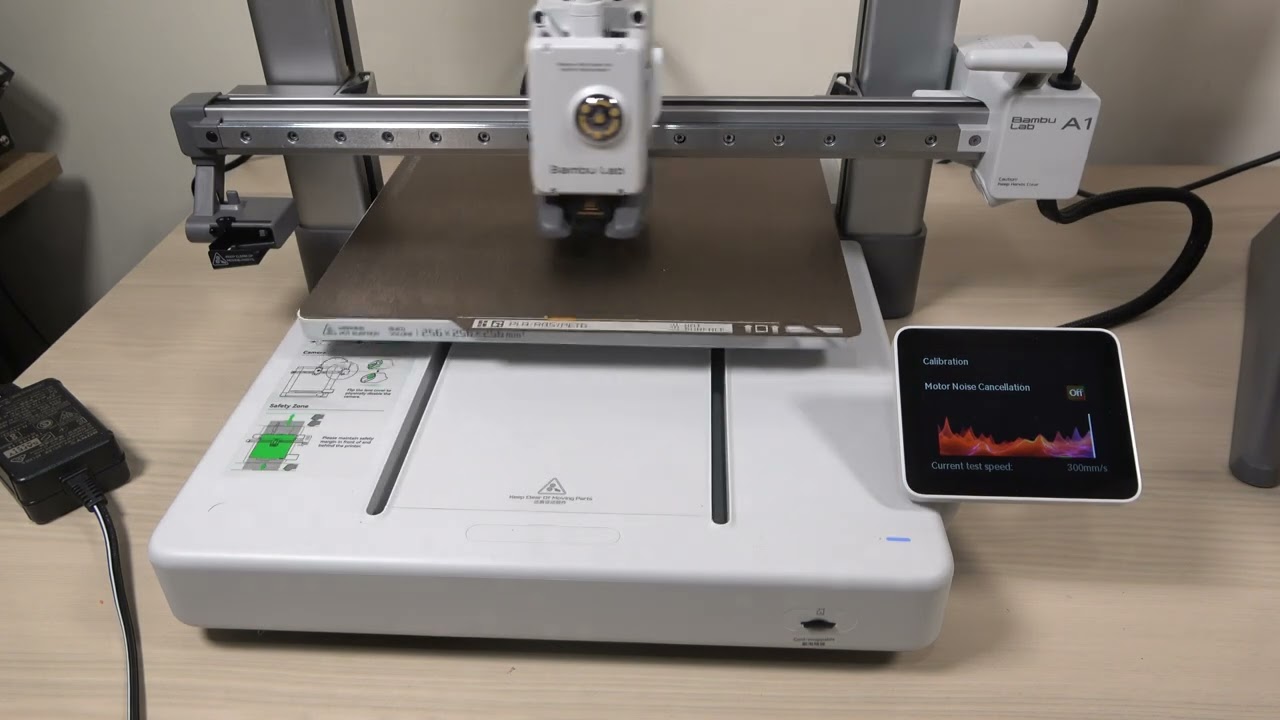
In this video, I walk you through the first power-on of the Bambu Lab A1 Combo 3D printer and explore its impressive features: Motor Noise Cancellation and Vibration Compensation. I’ll share what happened during the initial setup, calibration process, and how these advanced features help improve print quality and reduce noise.
Watch the printer...
just click play it's at the correct timestamp
spare quartz
pallid loom
https://youtu.be/gVpGbd0qB3Q?t=287
o wow
pallid loom
keep in mind it's basically on a lever since it's on the 2 stupid boxes
there's also horror stories of printers just fucking vibrating to hell while printing and falling off tables
so that's cool
pallid loom
spare quartz
i really dont know how any of this works in its current state
spare quartz
its very easy to see how it does work

 pallid loom
HOLY SHIT
spare quartz
I should dust my pc soon
pallid loom
i really do hope that this isn't somehow functional
https://new.cdn.teo0781.dev/u/e0f0d141-af24-4ed4-8bdf-fdfc8ab78089.png
 pallid loom
drawing tablet i assume
spare quartz
yeah
spare quartz
its has a screen on it
so it uses USB-C & VGA/HDMI
greater color accuracy than my 144 hz monitor but is 60 hz
so i switch between the two for tasks
pallid loom
i mean i would hope its more color accurate
spare quartz
the difference is pretty small but yeah i'd hope so too
it costs $200 more than my 144 hz monitor
pallid loom
incredible
spare quartz
ばやちゃお。。。<3
pallid loom
atp you should buy a framework laptop
i'd want to see in what fucked up way you could use it
pallid loom
spare quartz
how much does one cost
depends on what you're going for
minimum of 1k usd
spare quartz
waow thats a lot
pallid loom
but you're a future defense contractor you have 20 billion in your pockets
spare quartz
id rather make a computer out of 250 pi picos
 pallid loom
Lockheed martin junior
pallid loom
spare quartz
id rather make a computer out of 250 pi picos
please never get into hardware you'll go insane
pallid loom
how far
pallid loom
are you talking about the fucking aca-
expected
How'd you do it
5v to gnd or something else
pallid loom
never really used a pi pico
spare quartz
they're cool but mega limited
pallid loom
spare quartz
id rather make a computer out of 250 pi picos
or get this
spare quartz
pallid loom
are you talking about the fucking aca-
haven't gotten my pcbs manufactured yet 💔
pallid loom
20 rpi 5 cluster
 pallid loom
4 GB ram versions exist
spare quartz
what about 256 mb
pallid loom
btw move to #1267583072728121384
lavish dove
spare quartz
BOOTLAODER DEV RESUMATION time because i have been lazy
no way
lavish dove
spare quartz
thats more than my computer 😭
lavish dove
spare quartz
this is our implementation of a BIOS and x86 cpu for our mod, im just trying to ...
seabios
qemu's bios is ligit just seabios
spare quartz
yeah
 lavish dove
https://docs.github.com/en/copilot/managing-copilot/managing-copilot-as-an-individual-subscriber/about-github-copilot-free
its free again

GitHub Docs
spare quartz
 lavish dove
spare quartz
lavish dove
spare quartz
the pieceo f shit
spare quartz
accidentally maed this cool fx
 spare quartz
accidentally maed this cool fx
spare quartz
spare quartz
accidentally maed this cool fx
 proud creek
spare quartz
proud creek
spare quartz
LOL
spare quartz

Today Microsoft announced something I thought I'd never see: a native port of the TypeScript type checker. The rewrite (using Go btw) is insane, a 10x speed improvement for everything (syntax highlighting, compiling, and type checking). TypeScript will never be the same...
Thank you Convex for sponsoring! Check them out at: https://soydev.link/...
spare quartz
post made by a rustlet i decided to send ehre
of course, Ada wins, always has won, but yeah
proud creek
❌
spare quartz
proud creek
❌
❓
proud creek