#Fwog and co.
1 messages · Page 15 of 1
 long robin
yeah I just figured the FETCHCONTENT_ was some extra thing they added to throw off the scent
ok so it's an issue of visibility
because the source dir isn't empty when I print it inside the file that fetches it

 long robin
well the cmake gui thing you were looking at was the wrong variable, same as mine
 final cove
yeah I mean even with advanced variables on it doesn't show you volk_SOURCE_DIR has value
I guess it's uncached or whatever
 heavy cipher
yes
long robin
this feels like a hack, but it fixed my issue
set(FSR2_SOURCE ${fsr2_SOURCE_DIR} PARENT_SCOPE)
ok @dapper gorge you can try giving it a shot now. the latest commit in the repo at least sorta works
and by that, I mean that this code runs and appears to work
  FfxFsr2ContextDescription contextDesc
  {
    .flags = FFX_FSR2_ENABLE_HIGH_DYNAMIC_RANGE | FFX_FSR2_ENABLE_AUTO_EXPOSURE,
    .maxRenderSize = {windowWidth, windowHeight},
  };
  auto scratchMemory = new char[ffxFsr2GetScratchMemorySizeGL()];
  ffxFsr2GetInterfaceGL(&contextDesc.callbacks, scratchMemory, ffxFsr2GetScratchMemorySizeGL(), glfwGetProcAddress);
  FfxFsr2Context context;
  ffxFsr2ContextCreate(&context, &contextDesc);
 dapper gorge
I was just saying, I am now opeartional
long robin
I gotta hed 2 bed now
dapper gorge
I shall clone this
long robin
schweet
final cove
did you stay up all night
long robin
it's only 3:30am
final cove
oh that's not... the worst it could possibly be
long robin
dapper gorge
I shall clone this
anywho, feel free to spam this thread with issues that you find (or make PRs if you're so inclined, hehe)
final cove
I guess after you get some sleep you can explain why you need final fantasy x in your project
dapper gorge
I'll write here all the problems I find:
- You can't compile with LLVM Clang on Windows (really? lol)
dapper gorge
Huge bruh
long robin
hope you're on Windows lol
long robin
Idk
I mean there are open source drivers
Seems like that ecosystem is mostly carried by non-AMD people, but I dunno
 valid oriole
wat
 golden schooner
schleep schweet schleppi
valid oriole
Im pretty sure I did that half a year QFOT
p sure I did that half a year ago
oh
great
valid oriole
dapper gorge
I'll write here all the problems I find:
- You can't compile with LLVM Clang on ...
meant this
long robin
Literally all of my knowledge of AMD stuff on Linux comes from this server
It has 0 pertinence to my job
Ah
long robin
long robin
It has 0 pertinence to my job
well except maybe steam deck stuff
anyways, I must retire for the night
valid oriole
thank you deutsche bahn + everyone else involved with mobile infrastructure along train tracks for the great internet
OH FUCK YOU I LOST CONNECTION AGAIN
least angry german
dapper gorge
I suggest you disable notifications 
dapper gorge
valid oriole
meant this
It's a custom version of FFX made by Jaker to make it run on OpenGL I guess
But I guess the original FFX itself doesn't support clang?
valid oriole
oh I thought you mean compiling llvm on windows
Bad connection must’ve scrambled some letters
dapper gorge
Scrumbulated
heavy cipher
valid oriole
Im pretty sure I did that half a year QFOT
did pixel execute a QFOT in the middle of the convo 
valid oriole
yes, deep inside radv code, when VK_ERROR_DEVICE_LOST is returned, it does mv /dev/dri/renderD128 /lost+found
long robin
wow, no errors while I schlept, must've been a perfect port ( )
)
dapper gorge
I actually have no idea if your thing has errors because I have no idea how to use the actual API
So I've been reading documentation and trying different things
long robin
hehe
I hope you're reading the fsr2 readme. That thing is gold
Also there are just two headers you gotta include in your project (the ones in that message), so you can try reading the docs in those
Note that the docs in the gl header are still 90% vulkan. I didn't really change them 
Also, I'll be whipping together an example that you can refer to tonight (not guaranteed to be finished though)
dapper gorge
Houston we have a problem
Unfortunately GL debug callback is always very shy, it doesn't like to talk much:
GL_INVALID_OPERATION error generated. Texture type and format combination is not valid.
long robin
which call is generating it
dapper gorge
Callstack
 dapper gorge
Yes
dapper gorge
It's happening on a glGenTextures which doesn't make a lot of sense
long robin
hmm
maybe I messed up some function pointer
nah, should be fine
I guess it's the next line (glTextureView) that's triggering it?
dapper gorge
The FSR2_PreparedInputColor is succeeding
FSR2_ReconstructedPrevNearestDepth is too
So are DilatedDepth and LockStatus
Only SpdAtomicCounter is failing
long robin
can you see what arguments are being passed to glTextureView when it fails
maybe I screwed this function up somehow
https://github.com/JuanDiegoMontoya/FidelityFX-FSR2/blob/master/src/ffx-fsr2-api/gl/ffx_fsr2_gl.cpp#L249
looks fine to me though
maybe I'm passing it a bad (uninitialized) argument
dapper gorge
Arguments to glTextureView are fine
long robin
then maybe it's failing on glTextureSubImage, which I think is the only other place that has the format arg
dapper gorge
Could it be this?
case FFX_SURFACE_FORMAT_R32_UINT:
case FFX_SURFACE_FORMAT_R16_FLOAT:
case FFX_SURFACE_FORMAT_R16_UINT:
case FFX_SURFACE_FORMAT_R16_UNORM:
case FFX_SURFACE_FORMAT_R16_SNORM:
case FFX_SURFACE_FORMAT_R8_UNORM:
case FFX_SURFACE_FORMAT_R8_UINT:
case FFX_SURFACE_FORMAT_R32_FLOAT:
return GL_RED;```Instead of GL_RED perhaps GL_RED_INTEGER?
No nevermind
long robin
hmm actually I might've screwed that up
I think I forgot the _INTEGER for the integer textures
dapper gorge
Apparently:
glTextureStorage2D(GL_R32UI);
glTextureSubImage2D(GL_RED, GL_UNSIGNED_INT);``` is "invalid"I have also confirmed that it is happening on SpdAtomicCounter
Alright
With GL_RED_INTEGER it works
But why?
It's not in the spec?
Can I have the render size equal to the display size if I don't want to upscale?
long robin
Yeah
dapper gorge
This feels so incredibly wrong
 golden schooner
: )
dapper gorge
Yeah, I have to pass a device somehow
long robin
lol I'm gonna remove that assert
dapper gorge
There's also commandList in FfxFsr2DispatchDescription
dapper gorge
GL_INVALID_VALUE error generated. <index> exceeds the maximum number of supported image units.
?????????
How does this even happen
Isn't the limit like 1048576 or something?
long robin
bruhment
I'm guessing either fsr tried to bind like 30 textures, or there is an uninitialized value somewhere
Hmm do the shaders actually compile and link?
I know glslang is happy, but I'm afraid it generated something OpenGL doesn't like (unrelated to this issue)
dapper gorge
long robin
Hmm do the shaders actually compile and link?
Am I supposed to receive an error to stdout if they don't?
long robin
I made it so the backend returns an error if it fails
dapper gorge
Then they compile just fine
long robin
Epic
Hmm these issues should be enumerated somewhere so I can fix them
Would you mind creating issues on the repo for this stuff, so I don't forget
I just need the error code and the line for the gl issues
dapper gorge
I found it btw
Callstack

backendContext->glFunctionTable.glBindImageTexture(
  job->computeJobDescriptor.pipeline.uavResourceBindings[uav].slotIndex,
  ...
slotIndex was 11
long robin
huh
long robin
Tf
final cove
that sounds plausible
dapper gorge
Jaker DEFCON 1
long robin
that is quite unfortunate
I can probably fix it with bindless textures
hmm
It might work if I "unbind" the image units first
Since I doubt more than 1 or 2 actually need to be written at a time
So the issue is probably stale bindings eating up the slots
dapper gorge
Should I still open the issue?
dapper gorge
I can't open issues 😦
golden schooner
lame excuse
long robin
What the heck
golden schooner
you have a github account 🙂
long robin
You can make issues now
Btw, this is the file with all the bindings if you're curious
https://github.com/JuanDiegoMontoya/FidelityFX-FSR2/blob/master/src/ffx-fsr2-api/shaders/ffx_fsr2_callbacks_glsl2.h
dapper gorge
I did the thing
golden schooner
best thing doer
long robin
muchas gracias
golden schooner
de nada
dapper gorge
While Jaker performs The Great Fix™️, I'll be doing some more Vulkan because I still don't feel like learning what rayleigh scattering is
 robust bough
@long robin
if you want to make a library that's header only
you just need to do a target_include_directories(<name> PUBLIC <directory>)
idk where your cmake is but
target_include_directories(<name> PUBLIC ../fsr2-src/src/ffx-fsr2-api)
should turn the include to
#include <ffx_fsr2.h>
#include <gl/ffx_fsr2_gl.h>```actually, making it target_include_directories(<name> PUBLIC ../fsr2-src/src/ffx-fsr2-api ../fsr2-src/src/ffx-fsr2-api/gl)
should make the include what you wanted
#include <ffx_fsr2.h>
#include <ffx_fsr2_gl.h>```the API isn't header-only, but I'll note that to make the current includes easier, thx
dapper gorge
poke
long robin
I pushed a fix for the format thingy
dapper gorge
Epic
long robin
still integrating with my renderer (I only started like 1 hour ago)
dapper gorge
You will be using Fwog for the backend?
dapper gorge
Ah I see
long robin
I wasted some time searching for a bug earlier
When I enabled filtered RSM, the jitter would seem to disappear
But what actually happened is that I have a 240hz monitor and it's much easier to notice the subpixel jitter at lower framerates
dapper gorge
Suffering from success
long robin
When I opened RenderDoc, I noticed the jitter was "fine" once more, but only because the framerate went down a lot lol
golden schooner
if you need a peasant to test for you on peasant hardware, boop me
dapper gorge
Can't you make it go brrr on penguin OS too?
long robin
The ffx shader tool won't run on Linux
golden schooner
oh
dapper gorge
Come on AMD, you're better than this
golden schooner
...creating issue... brb
long robin
You can't 
golden schooner
i was jk
FSR2 is super laggy on me system, tried it in everspace2
(and there seem to be 10 different versions/qualitygrades of it)
long robin
There are 5 official quality modes
golden schooner
makes sense
it was probably those 5 only
even when game wasnt loadd and i was just in ui, you could feel the slowdown when trying all of them : >
ah and im not trashtalking fsr2
long robin
Hehe
I wonder if maybe the game was so cheap to render that fsr2 was more expensive than the game lol
Or maybe the game wasn't fragment bound in the first place, so fsr was just extra overhead
golden schooner
wouldnt surprise me
it also feels like they just crammed that in thre because every other game has it too
long robin
perhap
some studios have marketing agreements to integrate tech like this
no clue if this one did
dapper gorge
https://github.com/GPUOpen-Effects/FidelityFX-FSR2/pull/60 There is a dude here who somehow reverse engineered the shader compiler
How did... what the
golden schooner
i use arch btw
long robin
dapper gorge
<https://github.com/GPUOpen-Effects/FidelityFX-FSR2/pull/60> There is a dude her...
He just added wine
And did some other stuff to undo windows hacks
dapper gorge
Initally yes, but then he built a python script
long robin
Ah
I didn't see that
Ye the shader tool is not super complicated
It automatically generates permutations by invoking glslang and makes some headers with hardcoded data
golden schooner
you could "just" spin up a windows vm, to compile/build stuff there and move the output out of there again : >
long robin
imo it's pretty silly that Linux support isn't in base fsr2
golden schooner
it is
long robin
but then again, the Vulkan backend didn't initially ship with it either
golden schooner
but perhaps its also a time thing, windows is/was more important
long robin
Linux is probably a very small market for this, yeah
golden schooner
and then there is wine and the other emulated shit, let them figure it out 🙂
long robin
fsr2 be lookin snazzy 😍
 dapper gorge
Oh my that's genius, you can't have aliasing if there is no image in the first place!
long robin
wtf
the debugger is jumping over this line
const FfxErrorCode errorCode = fsr2Dispatch(contextPrivate, dispatchParams);
the ONE line I'm interested in
golden schooner
debug vs release?
long robin
it's in defrog mode
long robin
 long robin
I guess ABI issue somehow
because the function I'm calling is returning some random garbage
golden schooner
the greyed out items remind me of resharper telling me "you can remove them, they are unused"
long robin
 golden schooner
is that an Exception code?
 dapper gorge
Doesn't 0x80000000 overflow in int32?

 brazen glacier
yeah i think that's invalid_size?
long robin
weird af design choice
long robin
lol I'm dumb
golden schooner
: >
long robin
it's returning on this line
    FFX_RETURN_ON_ERROR(
        contextPrivate->device,
        FFX_ERROR_NULL_DEVICE);
it's not skipping anything lol
golden schooner
badumm tss
long robin
I rebuilt everything cuz I thought I was going insane
brazen glacier
rip
long robin
making the error codes ints that overflow is frickin weird though
long robin
dapper gorge
Hey, 'twas really hard for the committee to write "two's complement"
That's two whole words
long robin
two's words
finally
OpenGL Debug message (1281): GL_INVALID_VALUE error generated. <index> exceeds the maximum number of supported image units.
golden schooner
hehe
heavy cipher
dapper gorge
At least it's no longer undefined behaviour (integer overflow) in C++20
it is
long robin
it's not even binding that many images before it fails 😦
binding image slot index: 1
binding image slot index: 2
binding image slot index: 3
binding image slot index: 4
binding image slot index: 5
binding image slot index: 6
binding image slot index: 7
binding image slot index: 11
OpenGL Debug message (1281): GL_INVALID_VALUE error generated. <index> exceeds the maximum number of supported image units.
golden schooner
that is weird
dapper gorge
MAX is 8 unfortunately
golden schooner
for image bindings
long robin
so it had nothing to do with stale bindings
heavy cipher
dapper gorge
Then I guess that's <:misinfo:1073720407452045322>
its now defined to be 2s complement, but overflow is still ub
long robin
hmm
golden schooner
AMD cards have more apparently, at least according to gpuinfo
long robin
huehue
dapper gorge
common AMD W
golden schooner
zink and llvmpipe also have way more 🙂
long robin
my eyes are barely staying open so I shall retire once again
I'll dream of ways to fix this with bindless
dapper gorge
 golden schooner
good night my frog
dapper gorge
Have a fine frog specimen before sleep
long robin
btw, it is conceivably binding all these images to write to
image name: FSR2_SpdAtomicCounter
image name: FSR2_ExposureMips
image name: FSR2_ExposureMips
image name: FSR2_AutoExposure
image name: FSR2_ReconstructedPrevNearestDepth
image name: FSR2_InternalDilatedVelocity1
image name: FSR2_DilatedDepth
image name: FSR2_LockInputLuma
golden schooner
i read Dilated Llama 🦙
long robin
it binds like 3 more textures before failing an assert
ah, it's failing the assert because I forgor to write a field of the ffxResource struct in ffxGetTextureResourceGL
or did I
ah, I just provided it with an unknown format
quite epic
golden schooner
looks like asserts are useless 😄
long robin
I'm not even sure if I'm supposed to pass srgb images to fsr2
I guess I'm supposed to give it unorm or hdr images
dapper gorge
Ah I frogor to tell you that
Yeah I fixed it by switching everything back to UNORM and manually doing gamma (after fsr)
long robin
alright I'll raise the issue
wait
I'm not sure if it's an issue
anyways, I schleep
I probably won't be able to work on it until sunday evening since I'll be gone this weekend 😢
dapper gorge
golden schooner
re wat, it didnt show you directly whats up
golden schooner
ah jaker is back
long robin
Nuh uh
golden schooner
i have a question re Application.cpp
app->cursorFrameOffset += glm::dvec2{
    currentCursorX - app->previousCursorPos.x,
    app->previousCursorPos.y - currentCursorY
};
that looks somewhat weird
long robin
what's the q
golden schooner
is there a reason why y is calculated the other way around?
golden schooner
true
long robin
and we want upwards mouse movement to move the camera up
golden schooner

long robin
so we gotta floop flop it around
golden schooner
indeed
 long robin
well I thought about the issue a little bit when I was hallucinating in bed
I can shrimply make ubo containing handles to all the samplers, textures, and images I need, then index it with the binding slot provided by fsr2
the limit of 8 images is really schtewpid though
golden schooner
sounds like a plan
long robin
I think I only need to change one shader source too
 daring surge
long robin
and we want upwards mouse movement to move the camera up
daring surge
long robin
and we want upwards mouse movement to move the camera up
this is still odd
you're reading off of app->previousCursorPos and writing to app->cursorFrameOffset, this should be past the point of fixing y-flip, no?
long robin
idk, the code works
previousCursorPos is in the same flipped Y space as currentCursorY
so uh yeah, mafs
dapper gorge

golden schooner
hmm
  struct ColorBlendStateOwning
  {
    bool logicOpEnable;
    LogicOp logicOp;
    std::vector<ColorBlendAttachmentState> attachments;
    float blendConstants[4];
  };

  struct ColorBlendState
  {
    bool logicOpEnable = false;
    LogicOp logicOp = LogicOp::COPY;
    std::span<const ColorBlendAttachmentState> attachments = {};
    float blendConstants[4] = { 0, 0, 0, 0 };
  };
whats the deal with these 2?
long robin
the second one has a std::span in it
long robin
but if I want to cache this (I do), I have to make an owning version of the struct, or the reference will likely dangle
golden schooner
yeah, can we remove the owning one (name wise), and have it cache the state always
long robin
hmm
long robin
I suppose that the span version is "unnecessary" (it saves one allocation) since every time you make a pipeline, it'll create the owning version
golden schooner
yeah, and you only ever really create pipelines ones
final cove
but imagine where you could be if you just saved that allocation
 golden schooner
i was about to say that i do be abouting doing thating
long robin
feels weird to force the user to make vectors instead of spans though 😳
heavy cipher
glm::span3 when
long robin
heavy cipher
glm::span3 when
namespace glm {
  using span3 = std::mdspan<float, std::extent<float, 3>>;
}
I wonder if you can still reduce an allocation by providing optional move semantics
idk what the call site looks like
golden schooner
like a construction site
long robin
final cove
idk what the call site looks like
just do dis
void func(SomeHugeStruct s)
{
  internalData.push(std::move(s));
}

// if user wants a move
func(std::move(s));

// if user wants a copy
func(s);
now you have optional move semantics
final cove
but its not perfect
long robin
you can use a template to remove the intermediate struct, but perhaps it's not worf it since you're moving anyways
heavy cipher
to remove that you need to provide emplace semantics not optional move semantics
long robin
@dapper gorge possibly something worth noting
https://github.com/GPUOpen-Effects/FidelityFX-FSR2/issues/108
GitHub
I have FSR2 running in a custom vulkan engine but the results don't seem to be as expected. My viewport Y is inverted to match that of OpenGL (via negative viewport dim y) What are the implicat...
Not sure if it's a real problem if the motion vectors are correctly provided
dapper gorge
hmm
long robin
Maybe the jitter y offset would need to be inverted
long robin
Is that well defined in OpenGL?
dapper gorge
I have no idea
heavy cipher
no
long robin
Uh, you should use glClipControl for that anyways
dapper gorge
heavy cipher
no
Epic
dapper gorge
long robin
Uh, you should use glClipControl for that anyways
Yeah true
GL_UPPER_LEFT and we are in Australia
long robin
Yeah that's the worst case scenario fix
long robin
Oh I'm not traveling atm
heavy cipher
glPromptUserToRotateMonitor
long robin
I'm on the toilet
dapper gorge
Epic
long robin
I will be traveling in a few hours
dapper gorge
That's plenty to fix FSR2
long robin
Mayhapsch enough time to hack bindless in
heavy cipher
long robin
I'm on the toilet <:KEKW:666849321462792234>
not travelling yet propulsion is engaged 🤔
long robin
I'm deploying the swimmers to scout ahead, smhmh
golden schooner
without the floating equipment
long robin
Minimal equipment- they'll be relying on the currents for transportation
 long robin
idk what to do
maybe it won't be too hard to fork glslang and make it support bindless textures
dapper gorge

golden schooner
or do we know someone who works on it
long robin
or maybe I can generate the shader permutations as text
golden schooner
mayhaps we can send moscow inkasso
long robin
hmm
is it possible to make glslang insert compiler defines at the beginning of the shader?
because the compiler uses a bunch of flags like -DFOO_ENABLE and such
golden schooner
@brazen glacier might know?
brazen glacier
i mean you can just pass -DWHATEVER in iirc
long robin
trying to make glslang dump text instead of spir-v I guess
brazen glacier
lemme read context lol
long robin
brazen glacier
i mean you can just pass `-DWHATEVER` in iirc
my problem is that I cannot use it to compile glsl that uses opengl bindless textures
so at most I can use it to preprocess shaders
what I'd like to do is have it emit the shader permutations I need, but in text form for OpenGL to directly consume
brazen glacier
can you run it with -E?
long robin
but the problem is that fsr2 relies on a bunch of compiler defines
brazen glacier
i think you need to manually grab this output though, can't redirect to a file
 long robin
I think I was being a moron
for some reason I wanted the #defines to be literally in the text
long robin
but yeah just preprocessing works too 
anyways, thanks for engaging with my stupidity
now I need to change some schtuff to make this wurk
hmm
I'm afraid the ffx shader tool will be a roadblock with this 😦
it wants to take the spirv binary and do a bunch of shit with it
brazen glacier
what does it even do?
long robin
it invokes glslang for each shader permutation, then generates headers with info about the permutations
long robin
mayhaps I can take the python clone of it that someone made and modify that
long robin
brazen glacier
naturally that needed to be an executable and not a script lol
yeah it's dumb
all this because I can't bind more than 8 images
golden schooner
(on nvidia)
dapper gorge
common NVIDIA L
long robin
I'm gonna push my current stuff to a branch and test it on my AMD compooter
now y'all can try it for yourselves
(if you're on windows)
(and not NV)
long robin
at least it hits the assert without immediately generating gl errors now
brazen glacier
hey, not their fault that nv hardware sucks and can only bind 8 images 😏
long robin
it's so dumb, you can bind a billion images on nv in vulkan
brazen glacier
ah but you see if they limit it to 8 images they can do an optimisation that saves 3 femtoseconds on some cad program
long robin
look ma, no errors
 brazen glacier
i ran it and it spammed errors
long robin
are you on nv
brazen glacier
no
brazen glacier
 long robin
spoopy
brazen glacier
rx 5700xt, adrenalin 23.4.3, checked out the fsr2-test branch and running gltf viewer
brazen glacier
coming from here (ffx_fsr2_gl.cpp:1194)
 long robin
probably invalid format somehow
brazen glacier
oh lemme do a debug run
it's trying to use a resource with unknown surface format
long robin
ah
I'm dumb^2
it's because of the GL_SRGB8_ALPHA8 format I gave it
I already fixed it in my local branch, but forgot to tell you
"fixed"
I just told fsr2 that it's actually GL_RGBA8 and that made it not complain
brazen glacier
oh right lol
long robin
too bad I can't decipher what's happening in rdc
are all these checkered inputs unbound or unused 🤔

I can open them in the resource inspector, so I guess they aren't unbound
interestingly, each shader only uses a few sampler and image bindings 👀

decompiled shader
three of the passes have a bunch of unbound resources somehow

those unbound resources do not correspond with all the checkerboards I see in the texture viewer
 oak garden
Does it work at least
long robin
it correctly generates a black screen
oak garden
Nicely upscaled 👌
long robin
long robin
look ma, no errors

my new plan of attack for fixing the too-many-binds is to manually set them for each shader
hmm is there a function to set the binding of an image in a shader
I think it's just glUniform
I can do something like
int currBinding = 0;
for (binding : imagesToBind)
{
  auto loc = glGetUniformLocation(program, binding.name);
  glProgramUniformi(program, loc, currBinding);
  glBindImageTexture(currBinding, binding.image, ...);
  currBinding++;
}
to make sure images are always bound starting at 0
oak garden
That could work yeah
 fair thicket
rainbow from this evening, seems like you can see the oscillations below purple but i might be imagining it

 long robin
kinda faint, but I think you can barely see the supernumerary rainbows
but maybe that's just the violet part of the main one
anywhomst, I gtg in like 10 minutes, so no more fsr2 stuff for me
dapper gorge
That's truly one of the rainbows of all time
long robin
long robin
I can do something like
```cc
int currBinding = 0;
for (binding : imagesToBind)
...
long robin
these formats
 long robin
I can do something like
```cc
int currBinding = 0;
for (binding : imagesToBind)
...
long robin
long robin
I can do something like
```cc
int currBinding = 0;
for (binding : imagesToBind)
...
btw, this strategy seems to work (no more gl errors on Nvidia 🙏) but I still get a black screen because the wrong resources are being bound
long robin
I invoked glslang with -g
 heavy cipher
short for --gobble-ram
long robin
how 🇹🇫
 long robin
no clue how all the bindings are getting mixed up
renderdoc is telling me no, but my mind is telling me yes (seriously though, wtf)


epic  in the wiki (emphasis mine)
Image bindings can be layered or non-layered, which is determined by layered. If layered is GL_TRUE, then texture must be an Array Texture (of some type), a Cubemap Texture, or a 3D Texture. If a layered image is being bound, then the entire mipmap level specified by level is bound.
it seems like renderdoc is just ignoring the glUniform1i calls
long robin
it (setting image uniforms via glUniform1i) seems to work when I'm not using spirv
an absolute baba of a booey, tbqh
at this point, I'm tempted to compile the shaders back to glsl at runtime just to see if it changes things
oak garden
dapper gorge
FSR2 GL is back in the works, pog
dapper gorge
poke
long robin
 long robin
I'm gonna continue to test on AMD machine since I can bind images without having to use glUniform
long robin
I shall
golden schooner
 heavy cipher
da heck is that wcstombs
golden schooner
 heavy cipher
Settra himself wrote this code
long robin
heavy cipher
da heck is that wcstombs

Seriously though, is there a better way to convert wchar strings to c strings
brazen glacier
the best way is to not use them :P
long robin
I'm afraid I'm forced by fsr2 to use them
brazen glacier
i figured, very unfortunate
brazen glacier
wchar strings don't belong anywhere near render code, when are you going to have a texture with non-ascii chars in its name????
long robin
lel
oak garden
glsl with wchar uniform name
long robin
I don't think they are causing any issues atm
heavy cipher
more like lchars
golden schooner
 long robin
Anyways, I know they're disgusting, but I'm not concerned with changing them atm
I just want mah got dang bindings to work
heavy cipher
btw why are you feeding spirv
is that what you do on fwog as well?
i'd be spooked that they didn't actually give two shits when implementing that
long robin
yes I'm afraid of implementations having spir-v bugs too
I'm feeding spir-v because that's what I have to work with
I could feed it glsl, but that'd require changing a lot of stuff, which is effort I'd rather not spend right now
long robin
heavy cipher
is that what you do on fwog as well?
no
I'd expect Nvidia's impl of spir-v shaders to be okay. At least it was the last time I tried in my voxel engine
heavy cipher
i recall dr. circle having big issues, but this seems a bit to 
golden schooner
can you not turn this into an amd hackathon next week, and make the initial authors help you : )
long robin

long robin
long robin
how 🇹🇫
on the bright side, input samplers are 🇫🇴oked the same way on both machines
 golden schooner
fook
daring surge
🇫🇴👌ed
 shell inlet
long robin
shell inlet
long robin
I wonder if my translation of this vk backend code is somehow wrong
vk:
    // bind srvs
    for (uint32_t srv = 0; srv < job->computeJobDescriptor.pipeline.srvCount; ++srv)
    {
        addBarrier(backendContext, &job->computeJobDescriptor.srvs[srv], FFX_RESOURCE_STATE_COMPUTE_READ);

        BackendContext_VK::Resource ffxResource = backendContext->resources[job->computeJobDescriptor.srvs[srv].internalIndex];

        writeDatas[descriptorWriteIndex] = {};
        writeDatas[descriptorWriteIndex].sType = VK_STRUCTURE_TYPE_WRITE_DESCRIPTOR_SET;
        writeDatas[descriptorWriteIndex].dstSet = pipelineLayout->descriptorSets[pipelineLayout->descriptorSetIndex];
        writeDatas[descriptorWriteIndex].descriptorCount = 1;
        writeDatas[descriptorWriteIndex].descriptorType = VK_DESCRIPTOR_TYPE_SAMPLED_IMAGE;
        writeDatas[descriptorWriteIndex].pImageInfo = &imageInfos[imageInfoIndex];
        writeDatas[descriptorWriteIndex].dstBinding = job->computeJobDescriptor.pipeline.srvResourceBindings[srv].slotIndex;
        writeDatas[descriptorWriteIndex].dstArrayElement = 0;

        imageInfos[imageInfoIndex] = {};
        imageInfos[imageInfoIndex].imageLayout = VK_IMAGE_LAYOUT_SHADER_READ_ONLY_OPTIMAL;
        imageInfos[imageInfoIndex].imageView = ffxResource.allMipsImageView;

        imageInfoIndex++;
        descriptorWriteIndex++;
    }
gl:
  // bind srvs (sampled textures)
  for (uint32_t srv = 0; srv < job->computeJobDescriptor.pipeline.srvCount; ++srv)
  {
    addBarrier(backendContext, &job->computeJobDescriptor.srvs[srv], FFX_RESOURCE_STATE_COMPUTE_READ);

    BackendContext_GL::Resource ffxResource = backendContext->resources[job->computeJobDescriptor.srvs[srv].internalIndex];

    backendContext->glFunctionTable.glBindTextureUnit(job->computeJobDescriptor.pipeline.srvResourceBindings[srv].slotIndex, ffxResource.textureAllMipsView.id);
    backendContext->glFunctionTable.glBindSampler(job->computeJobDescriptor.pipeline.srvResourceBindings[srv].slotIndex, backendContext->linearSampler.id);
  }
hmm are you doing the same mistake i did, mixing image/texture?
shell inlet
datas 😔
dapper gorge
shell inlet
also seeing this vulkan code immediately triggered my ptsd because this looks just like my vulkan code
except it's bigger
long robin
golden schooner
hmm are you doing the same mistake i did, mixing image/texture?
vulkan: sampled image
gl: glBindTextureUnit + glBindSampler
should be the same
golden schooner
it says computeJobDescriptor, was finking you bind to a cs, and glsl might use image not sampler2D
long robin
it's kinda dumb
but yeah this function is executeGpuJobCompute (write+bind resources and dispatch)
golden schooner
perhaps there is no difference in the spriv/underlying assembly between image/samplerisms
but there is in glsl, and when you bind a sampler to an image you get black, if that makes any sense
shell inlet
I swear even this line BackendContext_VK::Resource ffxResource = backendContext->resources[job->computeJobDescriptor.srvs[srv].internalIndex]; scares me because of [[[]]]
is this pure C?
shell inlet
so no attempt at any refactoring was made then
long robin
I think the only standard lib feature used in the backend is on this line
std::wstring_convert<std::codecvt_utf8_utf16<wchar_t>> converter;
heavy cipher
btw did you change anything on the spirv?
long robin
shell inlet
so no attempt at any refactoring was made then
bro I'm fighting for my life trying to make this code work
long robin
yeah I made them combined image samplers
shell inlet
long robin
bro I'm fighting for my life trying to make this code work
well I am not talking about your code or your effort, otherwise understandable
whoever wrote the code must have worn down ctrl, c and v keys
long robin
heavy cipher
seems like the vk code uses separate samplers
I also noticed that the point sampler isn't actually used anywhere, which is quite convenient for me
so I just used the linear sampler for everything
heavy cipher
do you ever change the sampler uniform value?
heavy cipher
i'd think it would be
long robin
heavy cipher
do you ever change the sampler uniform value?
I do change it for images though, because nvidia is stinky and doesn't even allow binding images to indices > 7
well the version of the repo on my work pc does not have that yet, since it's not needed
long robin
I basically have these files side-by-side and am comparing them atm
https://github.com/JuanDiegoMontoya/FidelityFX-FSR2/blob/master/src/ffx-fsr2-api/gl/ffx_fsr2_gl.cpp
https://github.com/JuanDiegoMontoya/FidelityFX-FSR2/blob/master/src/ffx-fsr2-api/vk/ffx_fsr2_vk.cpp
final cove
big mcthankies
hey you can't just right click and save an image, they're non fungible
long robin
somehow textures that I'm not even passing to the fsr context are being bound

that is the indirect illumination texture
oh and gAlbedo and gNormal are not passed as well
I forgot about those, because they kinda looked like inputs to fsr
see here
  FfxFsr2DispatchDescription dispatchDesc
  {
    .commandList = (void*)0x1,
    .color = ffxGetTextureResourceGL(&fsr2Context, frame.colorLdrRenderRes->Handle(), renderWidth, renderHeight, GL_RGBA8),
    .depth = ffxGetTextureResourceGL(&fsr2Context, frame.gDepth->Handle(), renderWidth, renderHeight, GL_DEPTH_COMPONENT32F),
    .motionVectors = ffxGetTextureResourceGL(&fsr2Context, frame.gMotion->Handle(), renderWidth, renderHeight, GL_RG32F),
    .exposure = {},
    .reactive = {},
    .transparencyAndComposition = {},
    .output = ffxGetTextureResourceGL(&fsr2Context, frame.colorLdrWindowRes->Handle(), windowWidth, windowHeight, GL_RGBA8),
    .jitterOffset = {jitterX, jitterY},
    .motionVectorScale = {1, 1},
    .renderSize = {renderWidth, renderHeight},
    .enableSharpening = false,
    .sharpness = 0,
    .frameTimeDelta = static_cast<float>(dt * 1000.0),
    .preExposure = 1,
    .reset = false,
    .cameraNear = cameraNear,
    .cameraFar = cameraFar,
    .cameraFovAngleVertical = cameraFovY,
    .viewSpaceToMetersFactor = 1,
  };
this oddly makes me think it might be an issue of smth like binding to indices[idx] vs to idx
but it can't be that, right
shell inlet
moon is at the anti gl phase
dapper gorge
final cove
The blood moon is rising...
dapper gorge
Ahh, the good old terraria flashbacks
dapper gorge
long robin
see here
```cc
FfxFsr2DispatchDescription dispatchDesc
{
.commandList = ...
Shouldn't motionVectorScale be the render resolution?
But well, I guess that's not important right now
long robin
getTextureResourceGL does this
https://github.com/JuanDiegoMontoya/FidelityFX-FSR2/blob/master/src/ffx-fsr2-api/gl/ffx_fsr2_gl.cpp#L448
long robin
dapper gorge
Shouldn't `motionVectorScale` be the render resolution?
it depends
but atm the texture is completely black, so it does not matter 😄
I think 1, 1 scale means the motion vectors are in [-resolution, +resolution] space
ah, I think I see one issue
stale bindings
golden schooner
stalus bingus
long robin
idk why, but the frontend isn't trying to bind all the resources that the shader will use
so that's why all the random stuff is bound
golden schooner
do you not have ZeroThingyBindingThing() in your pipeline?
long robin
I forgor to put the fsr dispatch in a scope
dapper gorge
ZeroThingyBindy
golden schooner
ah
long robin
there we go
 dapper gorge
Now they are all equally fooked?
long robin
for some reason, only some images and buffers are being bound
but no samplers nor textures
golden schooner
yeah so my initial question stands
you do glBindSampledTexture
on a compute program
is it actually samplers/textures or images in the shader?
idk, do you know what i mean?
long robin
yeah they are
golden schooner
ok
golden schooner
weird
final cove
job scheduling from the driver?
oak garden
the driver is allowed to do many things but breaking your code is not one of them
final cove
maybe its not allowed to, but will it?
dapper gorge
oak garden
the driver is allowed to do many things but breaking your code is not one of the...
In theory
oak garden
opengl issue
 long robin
final cove
job scheduling from the driver?
long robin
final cove
job scheduling from the driver?
fsr2 calls them "jobs"
really it's just a list of clears and dispatches that the frontend submits to the backend to execute all at once
hmm
I question whether the shader really needs everything bound at once
final cove
jaker will prove it by revealing you've been running vulkan the whole time
long robin
#define POPULATE_SHADER_BLOB(info, index) { info[index].blobData, info[index].blobSize, info[index].numStorageImageResources, info[index].numSampledImageResources, info[index].numUniformBufferResources, info[index].storageImageResourceNames, info[index].storageImageResourceBindings, info[index].sampledImageResourceNames, info[index].sampledImageResourceBindings, info[index].uniformBufferResourceNames, info[index].uniformBufferResourceBindings }
return POPULATE_SHADER_BLOB(g_ffx_fsr2_compute_luminance_pyramid_pass_PermutationInfo, tableIndex);
long robin
POPULATE_SHADER_BLOB should really be a function lol
ah, I see why it isn't
the info argument can be several types
oak garden
templates?
long robin
that means I just need to make this a template
oak garden
so are you guys hiring any remote eu devs 
long robin
make a pr ||that will never get merged||
oak garden
😔
final cove
abandonware master developers
golden schooner
seriously 🙂
golden schooner
Fullstack Java Developer
oak garden

golden schooner
im too stupid for serious giraffics business
oak garden
id love to do it eventually but i still have a lot to learn imo
then again i have 2 more years in uni to tinker around with stuff
final cove
I'm realizing that there's no better place to learn other than on the job
oak garden
i assume so yeah
long robin
there is apparently an open intern/co-op position for my internal org, but when I click on the link to the job it 404s
dapper gorge
Are you trying to outsource FSR2 OpenGL?
oak garden
dapper gorge
 final cove
what does a graphics development job even look like, now that I think about it
what do you actually do
long robin
here's some more epic code for you to gawk at
#define POPULATE_PERMUTATION_KEY(options, key)                                                                \
key.index = 0;                                                                                                \
key.FFX_FSR2_OPTION_REPROJECT_USE_LANCZOS_TYPE = FFX_CONTAINS_FLAG(options, FSR2_SHADER_PERMUTATION_REPROJECT_USE_LANCZOS_TYPE);                     \
key.FFX_FSR2_OPTION_HDR_COLOR_INPUT = FFX_CONTAINS_FLAG(options, FSR2_SHADER_PERMUTATION_HDR_COLOR_INPUT);                 \
key.FFX_FSR2_OPTION_LOW_RESOLUTION_MOTION_VECTORS = FFX_CONTAINS_FLAG(options, FSR2_SHADER_PERMUTATION_LOW_RES_MOTION_VECTORS);   \
key.FFX_FSR2_OPTION_JITTERED_MOTION_VECTORS = FFX_CONTAINS_FLAG(options, FSR2_SHADER_PERMUTATION_JITTER_MOTION_VECTORS);   \
key.FFX_FSR2_OPTION_INVERTED_DEPTH = FFX_CONTAINS_FLAG(options, FSR2_SHADER_PERMUTATION_DEPTH_INVERTED);                   \
key.FFX_FSR2_OPTION_APPLY_SHARPENING = FFX_CONTAINS_FLAG(options, FSR2_SHADER_PERMUTATION_ENABLE_SHARPENING);                 \
key.FFX_HALF = FFX_CONTAINS_FLAG(options, FSR2_SHADER_PERMUTATION_ALLOW_FP16);
I get that senior devs basically ponder the orb all day
long robin
final cove
what does a graphics development job even look like, now that I think about it
idk
dapper gorge
long robin
idk
~Jaker, full time graphics developer at AMD
oak garden
He spends his time shitposting on discord
final cove
so do I but I do database stuff so I thought my skills weren't transferrable
long robin
dapper gorge
~Jaker, full time graphics developer at AMD
I'm a gpu devtech, so I don't make the renderers as much as I help the people who make the renderers
oak garden
Interesting
final cove
is gpu devtech one of those jobs where they want to see a CE degree and time spent with FPGAs and stuff
brazen glacier
good lord how much cpu side code can fsr 2 possibly have
surely at some point it'd be easier to just kick off the few dispatches yourself
dapper gorge
long robin
I'm a gpu devtech, so I don't make the renderers as much as I help the people wh...
Basically this discord except at AMD?
Without the #opengl channel unfortunately
long robin
final cove
is gpu devtech one of those jobs where they want to see a CE degree and time spe...
no hardware skill required
the basic requirements are knowing how a GPU works, how graphics APIs work, and how to optimize graphics
oak garden
Sounds reasonable yeah
oak garden
Doesn’t sound too bad to do as a job honestly
does part of it involve writing tooling and stuff or it it really mostly answering questions or debugging things
long robin
the job itself is investigating bugs and perf issues in AAA games, doing frame breakdowns, etc.
long robin
most R&D projects don't turn into a product
and they aren't necessarily software
holy shit
 final cove
is that a good holy shit or a bad holy shit
long robin
good
long robin
long robin
`#define POPULATE_SHADER_BLOB(info, index) { info[index].blobData, info[index]....
this ugly thing was looking for sampled images, not combined samplers
but I changed the shader to use combined samplers
I think the jitter is backwards or something

probably viewport/clip convention issue, but that's easy to solve
yeah negating the Y jitter that I pass to fsr fixes that
 long robin
fsr2 still doesn't know about the [-1, 1] depth convention that opengl has, and I don't think there's a way to change it
(yet)
dapper gorge
glClipControl
dapper gorge
Mate
we are probably the only people using FSR2 on OpenGL right now
On the planet possibly
But yeah, good idea.
final cove
is all the math in the shader factored around a [-1, 1] depth or something?
long robin
I'm not sure how this function works, but I think it would be the one that needs to change to accommodate [-1, 1] depth
https://github.com/JuanDiegoMontoya/FidelityFX-FSR2/blob/master/src/ffx-fsr2-api/ffx_fsr2.cpp#L663
long robin
final cove
is all the math in the shader factored around a [-1, 1] depth or something?
something assumes ndc z is [0, 1]
it wants all the other projection params
dapper gorge
You see, once upon a time someone decided to make OpenGL's NDC depth range [-1;1], we're still working on finding him for adequate punishment.
oak garden
He will be forbidden from seeing frogs for the rest of his life
long robin
that's a cruel and unusual punishment
final cove
oh there are a lot more shaders in fsr than I thought
I was hoping to find the formuoli that those 4 constants corresponded to
long robin
is there a way to search all open files in vsc
ah, the giant magnifying glass on the left
long robin
final cove
I was hoping to find the formuoli that those 4 constants corresponded to
ffx_fsr2_common.h has all the uses of DeviceToViewSpaceTransformFactors
FfxFloat32x3 UnprepareRgb(FfxFloat32x3 fRgb, FfxFloat32 fExposure)
unprepares your rgb
dapper gorge
final cove
FfxFloat32 GetViewSpaceDepth(FfxFloat32 fDeviceDepth)
{
    const FfxFloat32x4 fDeviceToViewDepth = DeviceToViewSpaceTransformFactors();

    // fDeviceToViewDepth details found in ffx_fsr2.cpp
    return (fDeviceToViewDepth[1] / (fDeviceDepth - fDeviceToViewDepth[0]));
}
looks like this is all there is to it
dapper gorge
Huh, looks like a shrimple * 2.0 - 1.0 will do the tricc
oak garden
Does that mean OpenGL FSR2 is almost working 👀
dapper gorge
FFX_IS_UNHINGED_DEPTH_RANGE
long robin
oak garden
Does that mean OpenGL FSR2 is almost working 👀
yes
dapper gorge
Huge hype
long robin
it will be pushed soon™️ alhamdulilah
dapper gorge
Staying up to 2am was worth it
long robin
u should sleep and then observe the pushed version when you wake up
oak garden
It’ll be like Christmas in summer
dapper gorge
I shall admire the glory of The Push™️ later then
dapper gorge
final cove
I don't know how seasons work
Earth go spinny spinny, that's how they work
 snow sun
final cove
what does a graphics development job even look like, now that I think about it
snow sun
final cove
what does a graphics development job even look like, now that I think about it
you fix up the engine to do things artists want
and seniors ask their orb for structural changes
final cove
what does that look like though, to me graphics only comes in "simple" and "arcane"
snow sun
im a junior i usually optimise or work on new graphics features or more like additions to existing features
for example i just finished a thing that lets water make static geo wet
sounds super boring but looks really cool when you see the difference
rn i work on (to me) arcane stuff
final cove
as in you interact with the arcane stuff the senior devs conjured?
snow sun
yes
when i add something to for example water, i have to read a ton of code to even know where to begin as engine big and stuff
but off thats cause im junior
but the engines are big so it takes years to get a good overview of everyhting
long robin
nah it's because the engine is bad and the whole thing needs a rewrite
snow sun
final cove
if I wrote the engine, things would be different
long robin
trust me, the seniors love it when juniors demand rewrites
snow sun
its honestly very good, i was expecting much worse from what i hear people always say about old engines
it also gets semi rewrites all the time in parts
final cove
so even the big engines can't avoid perpetual refactoring
snow sun
i like how it is the seniors are my gods
snow sun
final cove
so even the big engines can't avoid perpetual refactoring
but they refactor when its smart
they have lots of people with smart heads
long robin
my carefully architected code
my sensible style choice
my self-documenting code
their spaghetti codebase
their baffling style choices
their unreadable code
snow sun
some things get really old tho, its not like its rewritten every year
final cove
sounds pretty cool tho, I guess it makes sense they don't literally let you get overwhelmed and drown in the code
is your 3rd eye slowly opening from looking at the arcane code though
snow sun
oh they do tho
you just go throu the jungle and get it after time
first months are shit
but then its your swamp
long robin
 : become shrek
snow sun
learning to read other peoples code is a real skill
i could barely do it
now its ok, but muuuuch better then before
long robin
fsr2, despite the funny code I showed, is well-enough written that I could comprehend what it was doing in relatively little time
final cove
yeah
snow sun
i think cpu code is usualy ok cause ides get it
but super big shaders can be really poopy to understand
final cove
I still need to cross the real threshold which is learning how to get info out of meaty papers
long robin
yeah navigating shaders is an atrocity
brazen glacier
rider my beloved :)
full go to definition/code completion for hlsl
glsl though... lol
snow sun
rider?
brazen glacier
jetbrains ide, basically a drop in vs replacement
long robin
'ardly know 'er
long robin
btw does anyone know the extension that allows me to vertically stack tabs in VS
having one super long line of tabs sucks
long robin
found it
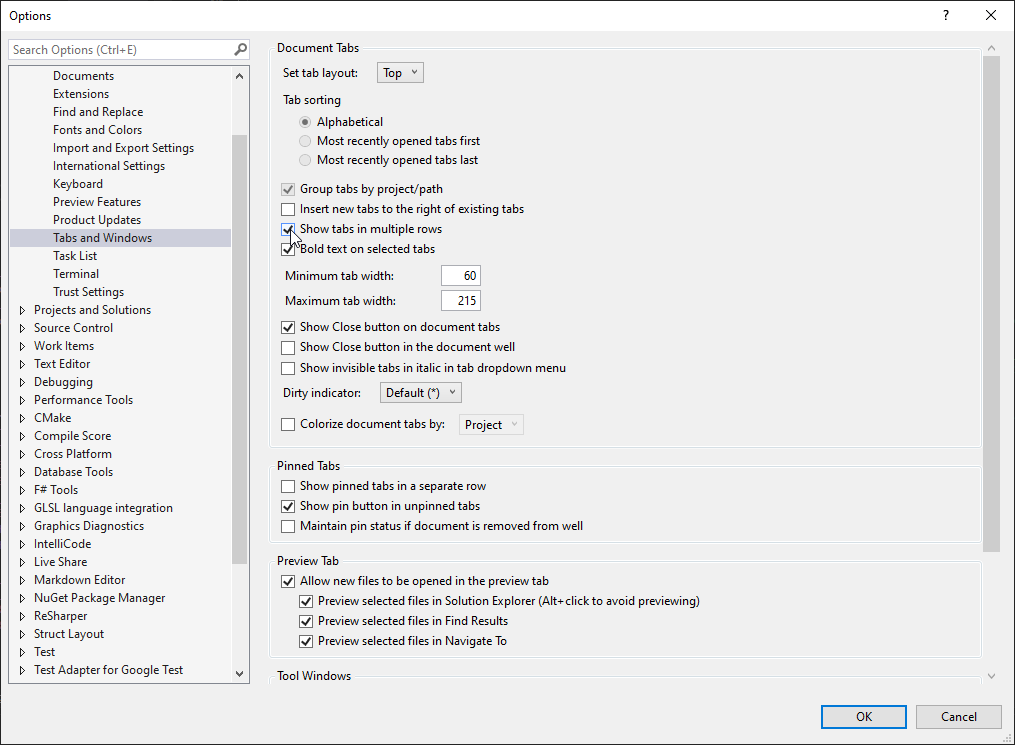
this is gonna be a gamechanger
I've no idea if this is correct, but I'm gonna 🚢 🤡
FfxFloat32 GetViewSpaceDepth(FfxFloat32 fDeviceDepth)
{
    const FfxFloat32x4 fDeviceToViewDepth = DeviceToViewSpaceTransformFactors();

    // fDeviceToViewDepth details found in ffx_fsr2.cpp
#if FFX_FSR2_OPTION_DEPTH_NEGATIVE_ONE_TO_ONE
    return (fDeviceToViewDepth[1] / ((fDeviceDepth * 2.0 - 1.0) - fDeviceToViewDepth[0]));
#else
    return (fDeviceToViewDepth[1] / (fDeviceDepth - fDeviceToViewDepth[0]));
#endif
}
two things
- I'm not sure if I even need something like this (but I assume yes, if the depth buffer is generated with a [-1 ,1] z projection)
- if this is necessary, I wonder if I can just modify
DeviceToViewDepth(generated on the CPU) instead of doubling the shader permutations
I don't really understand what the function is doing
https://github.com/GPUOpen-Effects/FidelityFX-FSR2/blob/master/src/ffx-fsr2-api/ffx_fsr2.cpp#L663
@shell inlet do you have any thoughts about the device to view space transform thingy that I'm talking about
I guess this explains everything I need, as usual
http://www.songho.ca/opengl/gl_projectionmatrix.html
long robin
despite fsr2 working on amd, it fails on NV due to the dumb image binding limit and not being able to change image bindings via glUniform (driver bug)
I noticed that I'm able to subtract a constant amount from certain bindings (each shader uses a different set of consecutive bindings), so hopefully that can work
I'll have to introduce some magic numbers to the shaders though
long robin
I tried using the glslang option --auto-map-bindings to just generate bindings starting at 0 for each shader, but for some reason the bindings are not starting at 0 
I think it's the ffx shader tool reading a file and assuming bindings are equal to the numbers in there
maybe these can help
--shift-image-binding [stage] num            base binding number for images (uav)
--shift-image-binding [stage] [num set]...   per-descriptor-set shift values
--sib                                        synonym for --shift-image-binding
nope, renderdoc says the bindings are "randomly" starting at high indices

"show unused items" in renderdoc reveals no more bindings, so I have no clue why the bindings are so high
apparently glslang is supposed to alias unused bindings, making this even more baffling
lol renderdoc crashes when you have negative resource bindings
guess the --shift-image-binding strategy isn't going to work unless I somehow know the base binding
or maybe I used it wrong
long robin
I have a small test shader to confirm that these all work, so I have no clue why it's failing in the real thing
I think I see the issue
seems like glslang has one namespace for all resource bindings, and images happen to be bound last, which means they get super high bindings 😢
wtf, apparently bindless textures are supported
https://github.com/KhronosGroup/glslang/issues/3205
idk why it wasn't working with my thing, maybe I have an old version
long robin
ahh the thing that I thought was an nv driver bug is actually a renderdoc bug
long robin
at least nsight works for debugging this, but holy moly is it painful
it takes like 10 seconds to open the thing that lets me look at a single texture
every. single. time.
literal torture using this application to debug
long robin
houston, we have an image (ignore the sRGB fail)

I noticed (using nsight and apitrace) that everything seemed to be working except the write to the output target
seems like writes to an sRGB texture via a unorm image variable are not appreciated by nvidia's driver
no validation layers btw
ADL is terrifying
 heavy cipher
is memory barrier not a command 🤔
long robin
it was, then I determined that it's useful outside of command scopes
I might want a memory barrier outside of my abstract rendering or compute scopes for a number of reasons
eh, but only rendering or compute can generate the conditions in which you'd need a subsequent memory barrier
I have atoned for my sRGB crimes, now enjoy ACES crimes instead

aces with correct color space input does not look that different, heh
 shell inlet
aces with correct color space looks more incorrect than the incorrect one
shell inlet
long robin
<@397737942476652545> do you have any thoughts about the device to view space tr...
I just woke up and don't understand the question
long robin
the question is basically: what is the code in the link doing?
but I think I know, hence my follow-up link
shell inlet
does something with some matrix, computes some constants, uses bool in subscript operator
has to do with projection type
no clue what those constants are used for, probably for depth linearization or something
final cove
yeah if you follow the functions in the .h you posted yesterday (working from memory at this point) it uses that depth function for reconstructing a position in view space
heavy cipher
https://github.com/baldurk/renderdoc/issues/2942 yeeted, deleted and cremated
long robin

I don't see why it being spir-v would suddenly make that ub
but whatever
now I wonder if this is the correct way to generate unjittered motion vectors in ndc space
vec2 GetNdcPos(mat4 vp, vec3 worldPos)
{
  vec4 clip = (vp * vec4(worldPos, 1.0));
  return clip.xy / clip.w;
}

void main()
{
  v_motion = GetNdcPos(oldViewProjUnjittered, v_position) - GetNdcPos(viewProjUnjittered, v_position);
}
the output is rather blurry under motion with these
and renderdoc be saying that a lot of my motion vectors are outside of [-1, 1]
 long robin
no, I have not done that yet
that's probably contributing to blurriness, but my current motion vectors look wrong anyways
heavy cipher
its an easy fix to clip control for now
long robin
ez fix indeed
I need to change like five places in the indirect lighting code to account for this
heavy cipher
thats just how opengl looks like
long robin
I "took inspiration" from teardown's code finally
they pass ndc coords to the fs and do the perspective divide there
apparently passing the ndc motion vector to the fs screws it up
same as doing the matrix multiply in the fs 
anyways, my motion vectors are sane now
heavy cipher
btw perspective divide in the fs is not always right
long robin
when is it wrong?
heavy cipher
if you need clipping on the near plane
long robin
isn't the pipeline already doing clipping for me here
shell inlet
why would there be a fragment shader invocation for a fragment that gets clipped between vertex and fragment shader
if you only get interpolated data from vertices in fragment shader
and inbetween that the clipping happens
shell inlet
alr
long robin
were u thinking of doing perspective divide on gl_Position in the fs
heavy cipher
ye
long robin
the pipeline takes another soul
shell inlet
though I still don't understand how is it that interpolated NDC aren't same as interpolated clip space coords with perspective division
heavy cipher
long robin
they pass ndc coords to the fs and do the perspective divide there
i guess this threw me bc ndc coords are after persp divide
long robin
shell inlet
though I still don't understand how is it that interpolated NDC aren't same as i...
idk maybe interpolating the divisor (w) does something funny
heavy cipher
in this sense i have no idea what this means then
shell inlet
well the clip space is linear so it shouldn't do anything funny
but interpolating NDC might
long robin
heavy cipher
in this sense i have no idea what this means then
they generate ndc coords for current and previous frame unjittered positions, then pass them to the fs, do the persp divide, and then subtract to get the motion vectors
shell inlet
but then the interpolation is also perspective-correct
heavy cipher
to the bone
long robin
anyways, I am once again staring at this function
https://github.com/GPUOpen-Effects/FidelityFX-FSR2/blob/master/src/ffx-fsr2-api/ffx_fsr2.cpp#L663
I think I can upgrade it by adding a third dimension to the matrix_elem_ variables with the corresponding magic numbers
long robin
long robin
anyways, I am once again staring at this function
<https://github.com/GPUOpen-Ef...
where the heck did they get this from (apparently it corresponds to row 3, column 3 of the matrix somehow)
const float fQ = fMax / (fMin - fMax);
trying to figure out how they derived it from this
https://vincent-p.github.io/posts/vulkan_perspective_matrix/

the inverse of the matrix is shown later on, but I still don't see the connection
long robin
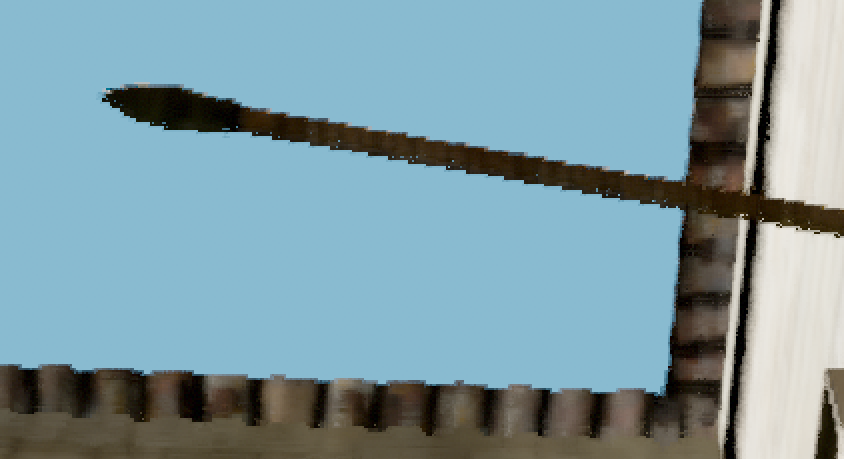
something still ain't right 😦
https://i.imgur.com/02Ni0D4.png
 golden schooner

long robin
pushed my current stuff to fsr2-test branch of Fwog if anyone wants to observe the bugs
long robin
ye
oak garden
i should really integrate that then tbh
long robin
most of the pics I showed were taken on my 3070
 long robin
the api surface is quite small
oak garden
yeah should be easy to make bindings for
long robin
idk why that person gave up 😄
oak garden
🤷got bored probably
golden schooner
rust bit them in the butt 😛


 dapper gorge
Does baldurk just hate OpenGL? 😦
long robin
I have no idea if he's correct in that what I'm trying to do is not well-defined
I don't see why not. After all, spirv supports regular-ass uniform variables
Either way, I'm relying on that behavior for this whole operation to succeed
oak garden

valid oriole
oak garden
<:bleakekw:1082598350303539240>
9 months ago
oak garden
exactly
oak garden
@long robin im trying to build fsr2 and im getting this when running the script 
 oak garden
hmm looking at whats inside i think i can just yeet that dependency
oak garden
Yeah I stopped using it too
Do you know how fsr compiles/loads it shaders
Im a bit conchfused
dapper gorge
I think ffxFsr2ContextCreate creates shaders?
oak garden
But where does it expect sources to be
And does it compile them at build time or at runtime
dapper gorge
They are all already compiled using their own shader compiler (I think)
oak garden
It looks like it’s shipping dxc as a DLL so I assume at runtime somehow
dapper gorge
Shaders are in ffx-fsr2-api/shaders