#Fwog and co.
1 messages · Page 6 of 1
 golden schooner
at least the jagged shadow is history
 long robin
once you start tracing actual rays is when a denoiser is needed
 shell inlet
but it's called denoiser not derayer
but I understand what you mean, you aren't warranting a variance guided filter because you don't even need to preserve penumbra if you don't even have one
it's a penumbruh
same width everywhere
but you know what
actually nvm it's more expensive maybe
long robin
a 3x3 bilateral filter would probably remove most of the noise
shell inlet
I was about to suggest cubic for shadow sampler
long robin
maybe I could even go down to 1spp
shell inlet
shadow sampler is bilinear so will work
maybe it won't be as slow as I think due to locality of taken samples but I don't know really
essentially a better 2x2 pcf
yes here I go again with my weird ideas
long robin
you could try it in your local repo
just go to ShadeDeferredPbr.frag.glsl and update the shadow function
shell inlet
no you do it
long robin
and add your custom cubic thingy
shell inlet
you have the code
shell inlet
I am doing homework I am business
long robin
well I gtg to bed
shell inlet
goodnight
long robin
gn
shell inlet
took a break and tried it out, not much of an improvement

 long robin
Not a bad improvement imo
golden schooner
looks almost as good as my shadow ;P
long robin
after the depth bias was removed, ultra low RSM resolutions work fine (this is 128^2)
 shell inlet
nice
shell inlet
what are those triangles on the green curtain
long robin
shadow acne
the bias numbers I hardcoded for the shadows do not work in all scenarios
shell inlet
have you heard about slope scale bias
long robin
this is what I'm doing
  float constantFactor = 0.0002;
  float angleFactor = 0.001 * (1.0 - dot(-shadingUniforms.sunDir.xyz, normal));
  ...
  lightDepth += angleFactor + constantFactor;
what's the correct math for it
shell inlet
I don't know
long robin
these numbers work okay most of the time
I'm pretty sure there is an analytical way to compute the bias, but I'm not gonna tryhard it that much
shell inlet
linearly changing value would be acos(dot)/pi
but I'm not sure whether it's required now
using cosine as a slope scale just feels strange to me because it won't grow properly with slope
long robin
you're right, it fails at extreme angles
shell inlet
I need to think what correct slope would be but I need to eat first
long robin
shell inlet
2014
long robin
the second one isn't an analytical approach, but it does talk about some other stuff
kinda interesting
rip
float bias = 1.0 - clamp(dot(lightFragNormal, lightFragmentCoord), 0.0, 1.0);
stabilizing the shadow with temporal filtering is a good idea though
shell inlet
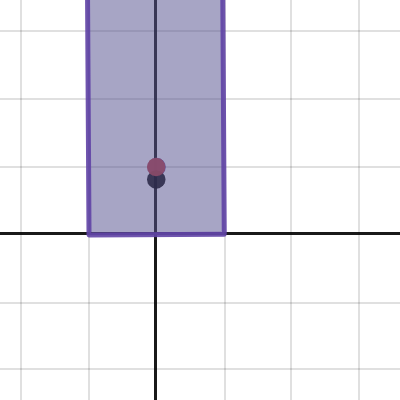
Desmos
here is what you have now
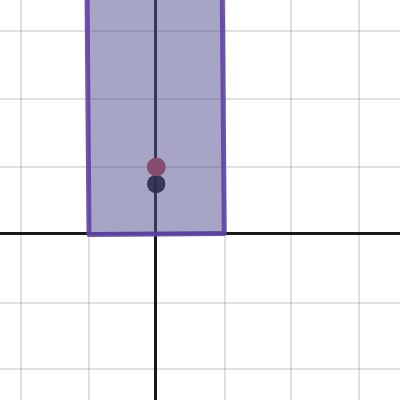
Desmos
this is what would make sense to me
inverse trig is banned on GPU tho so maybe there's a way to find acos using identities
uhh yeah I think we can find tan by using tan=sin/cos
can get sin from cross product and cos is the dot product
so it's len(cross(d,n))/dot(n,d)
when n,d are normalized
actually order of cross doesn't matter if we are taking magnitude of a vector
in 2d equivalent would be absolute value
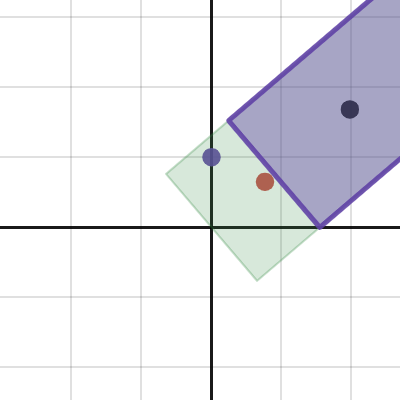
Desmos
so here is the thing
I'm done
long robin
btw linking this for later
https://gpuopen.com/wp-content/uploads/2019/08/RDNA_Architecture_public.pdf
shell inlet
edited graph added automatic bias for a given width
I think width would be 1/max(textureSize(shadowmap)) in the code
max texel width basically
long robin
alright, I'll try it
shell inlet
it does not account for quantization of the depth value itself, but I guess it would be 1/((2^precisionbits)*depthrange)
long robin
for unorm formats I suppose
long robin
seems like the technique works 
shell inlet
peter panning under extreme angles
long robin
ye
shell inlet
is it worth it
long robin
better than horrible acne probably
shell inlet
bigger resolution should make peter panning smaller
shell inlet
mr. min()?
long robin
float cosTheta = max(0.0, dot(incidentDir, normal) - 0.02);
just make the surface dark before the shadow starts peter panning hard
long robin
tfw leaking
long robin
what's a hard cutoff
the cosTheta thing I'm doing is for the shading, not for the shadow bias
shell inlet
yes I know
I mean that it'll go black abruptly
it'll reach 0.8 and after that it'll go 0
long robin
I'm subtracting 0.02 from the whole thing, so it still smoothly goes to 0
the peak is being lost
here is with -0.05 bias
shell inlet
oh yeah it'll go to 0 smoothly but it won't reach 1 then
long robin
could use a smoothstep near 0 or something
long robin
I'd actually have to multiply by 1.02040816 to compensate
huge difference
ah nvm your math is different 
tbh I'm not gonna bother
the peter panning is only barely noticeable in this fake scene
shell inlet
my math is wrong
you need (dot(n,l)-cutoff)/(1-cutoff)
division is to normalize the range [0; 1-cutoff] to [0;1]
long robin
i c
shell inlet
at this point we are straying further away from god pbr
long robin
I've noticed a different artifact. Look at the base of the red shape
it's odd because you can see that the shadow is farther back
ah I think it's my fault
nvm
I see what the problem is
the edge of the floor box is casting a shadow
tl;dr not an actual issue
shell inlet
what if you clamp the bias though would it really still cause acne?
min(max_bias, slope_scale_here)
long robin
Yeah I tried earlier
shell inlet
hmmm it will I think
ok confirmed then
what if we shift shadow sample uv along projected normal
at best 1 pixel to the side
would it solve acne at extreme angles
so that we could also reduce peter panning
or like check if tangent is higher than some threshold and then instead of adding depth bias shift the uv along the projected normal
you get what I mean?
long robin
shell inlet
what if we shift shadow sample uv along projected normal
You mean like projecting the surface normal into uv space?
shell inlet
yes and using it as offset vector
long robin
Ye I see how that could potentially help
shell inlet
projecting it is taking difference (project(p+n) - project(p))
huh that is stupid
can use inversetranspose
transpose(inverse(sunviewproj))
I did not think this through it's a crazy idea again
so it might not work at all
long robin
 shell inlet
maybe shifting it towards the inverted projection
cuz we want the pixel to be in shadow
maybe adding bias AND shifting towards inverted projection
this is what'd happen

maybe multiply the projection by pixel size also
long robin
It was a response to your previous message about it being a crazy idea
shell inlet
how did sponza change after adding perfect slope scale bias?
and does dithered shadow look better?
long robin
shell inlet
how did sponza change after adding perfect slope scale bias?
It looks pretty much the same overall, except the backside of the curtains are no longer brightly lit
long robin
shell inlet
and does dithered shadow look better?
They look approximately the same as before. That scene wasn't suffering from shadow mapping artifacts much
shell inlet
tried hqx shadows?
In image processing, hqx ("high quality scale") is one of the pixel art scaling algorithms developed by Maxim Stepin, used in emulators such as Nestopia, FCEUX, higan, Snes9x, ZSNES and many more. There are three hqx filters defined: hq2x, hq3x, and hq4x, which magnify by factor of 2, 3, and 4 respectively. For other magnification factors, this ...
I mean obviously no but what if
long robin
interesting
shell inlet
there was a paper out there about vectorization of shadows too, this is similar but less fancy
similar in end result
this does not require bilinear taps
unlike bicubic
just 3x3 and a LUT for best results
this will likely reduce amount of pixelation
not as much as vectorized shadows tho
by the way about specular rsm
I think it's possible to do some sort of rejection sampling with reprojection to sample more efficiently
oh and probably restir too
or ris at least
I mean restir is built on top of ris so it's going to be a start
though it's going to require yet another temporal pass for both
and is probably overkill so maybe it's time to stop
long robin
they don't estimate those temporal gradients tho
https://youtu.be/qW6RVaIvZPk?t=118
shell inlet
long robin
they don't estimate those temporal gradients tho
<https://youtu.be/qW6RVaIvZPk?t...
how'd you know?
long robin
I estimated
long robin
the penumbras do be smudged
https://youtu.be/lZQJU3yek08?t=366
well, it just looks smudgy in general
shell inlet
I don't see it
I see temporal lag
which is not related to variance estimation
perhaps you mean temporal gradient
long robin
that's wat I sayd
long robin
I wonder why they didn't do it
I'd expect these people to use top tier denoising techniques
shell inlet
there are other methods besides temporal gradients
perhaps they used that but it's being overwhelmed
look up history clamping in ReLAX

NVIDIA
ReLAX originates from SVGF but takes image quality and performance to the next level
long robin
april 2021 
shell inlet
no heuristic beats temporal gradients imo
but temporal gradients either roughly double the cost (trace twice per pixel and keep previous frame around in its entirety), or add bias (pick 1 pixel in 3x3 strata and forward project them to be shaded together with the current frame)
ok can also do it in half/third resolution the first way, too
but that kills more pixels that may be valid
depending on how many pixels 1 gradient pixel covers
obviously
long robin
shell inlet
https://www.nvidia.com/en-us/on-demand/session/gtcspring21-s32759/
this is brilliant tbh
shell inlet
what is, exactly
don't tell me whole thing
also if you love nvidia so much why don't you work at nvidia
long robin
da part where they use a fast history buffer
and clamp to neighborhood color like in TAA
shell inlet
tbh I wish I was working at nvidia then I would call you my sworn rival
lmao that emote 
long robin
I actually made that one lol
shell inlet
I expected nothing less
long robin
btw I think the fast history buffer would work great for indirect diffuse
also wtf that page turned chinese while I wasn't looking at it

 rugged notch
not very bing chilling of them
shell inlet
ching cheng hanji moment
long robin
it must have been autoplay or something because it was a different page than before
golden schooner
whats the next topic for fwog? after svgtfo?
rugged notch
finding love 😳
golden schooner
he found love already, us, frogs
rugged notch
golden schooner
speaking of marzipan, are you working on a froge 2.0? @rugged notch
rugged notch
golden schooner
speaking of marzipan, are you working on a froge 2.0? <@249293982431969282>
sadly there was not much interest from my collaborator
golden schooner
too bad
long robin
 rugged notch
which is fair, she just did it on a whim and doesn't want the bother I guess
golden schooner
maybe jumping spider is next 🙂 can you do some inception work
rugged notch
 golden schooner
so cute 🙂
long robin
that froge looks funny
long robin
btw @shell inlet I think svgf's default of 0.2 for alpha is shrimply crazy
it's in the range of what this ReLAX technique considers to be "fast history"

kinda funny too cuz this path tracer with ReSTIR has insanely good sampling
so they don't even need a very low alpha
except maybe for specular, idk
shell inlet
good sampling will leave you a 1spp image that is almost converged
so I don't think it's too crazy
shell inlet
you overestimate restir
restir also needs a few frames to digest samples before it's good
long robin
maybe the original SVGF paper is indeed being wacky by suggesting 0.2 for alpha
long robin
yeah
ok I think I see
so I guess restir is really good after it converges for a few frames
which is what you said
golden schooner
so loading screen at the beginning for it to catch up a few frames 
long robin
turn around
loading screen
shell inlet
display loading screen at disoccluded regions
golden schooner
😄
or you show the scene heavily blurred, and blur gets less and less until everything is loaded in
 golden schooner
ye and the odd angles/serifes
i always wonder why the latin alphabet looks so shitty in the asian fonts
long robin
some of them look decent
https://en.wikipedia.org/wiki/List_of_CJK_fonts
but I'm guessing the main issue is that it's a lot harder to create these fonts
golden schooner
and not run into copyright issues 😉 with the other 2934824839845302482 fonts
long robin
I wonder if there is a way to use different fonts for different parts of unicode
so you could use a non sucky latin font + a CJK font
long robin
you're gonna give me the text runs
golden schooner
: D
shell inlet
shell inlet
good sampling will leave you a 1spp image that is almost converged
https://www.shadertoy.com/view/ldBcDt
simple scene with good sampling

of course it gets harder as scene complexity grows
each bounce becomes harder to sample efficiently and this is where resampling excels
but at the price of needing a few samples to get the idea of sampling domain
here it's analytically tweaked to importance sample direct illumination but without taking visibility term into account because that's basically impossible to do analytically
resampling is the numerical way to do it
anyways that's where small history would suffice, and sponza is not a very challenging scene in terms of complexity (most of it is directly illuminated and the rest is illuminated by 1st bounce)
if you want a challenging scene, see my path_tracing_nightmare.glb
long robin
Material getMaterial(int i) {
    if(i==0) return materials[0]; else
        if(i==1) return materials[1]; else
            if(i==2) return materials[2]; else
                if(i==3) return materials[3]; else
                    if(i==4) return materials[4]; else
                        if(i==5) return materials[5]; else
                            return materials[6];
    //return materials[i];    //webGL 2.0
}
send help
long robin
shell inlet
if you want a challenging scene, see my path_tracing_nightmare.glb
where
it'll probably look like ass with RSM but whatever
long robin
I must have forgotten to copy it to my models folder
 shell inlet
it's designed to progressively get harder as you go deeper into the room
because each bounce is harder to estimate
blender basically dies there
and denoiser gets all splotchy
in the furthest corner that is
essentially a scene to test your path guiding algo
 shell inlet
this scene is too hard for rsm
looks good if you don't let anyone see what's under the 1st floor ceiling
long robin
shell inlet
in the furthest corner that is
the light gets into this corner just fine 

filtered RSM is such an improvement in this scene though

 shell inlet
😎 👍
oh by the way
can you make sun intensity slider
or exposure
tbh you maybe wanna some tonemapping now
maybe warrants a tonemapper demo?
long robin
I already got the
  // tone mapping (optional)
  //finalColor = finalColor / (1.0 + finalColor);
doe
jk jk
shell inlet
call it hdr and implement all of those found here: https://64.github.io/tonemapping/
 shell inlet
well that was just an idea for another example which might be fun
I sure would like to try those out some time later for personal project
long robin
apparently using the ACES tonemapper without a bunch of other stuff is a bad idea (according to other people on this discord)
idk what the other stuff is though, and imo it looks fine on its own
shell inlet
I don't like aces because it's simply compressing everything to ldr
I want dynamic exposure change cuz its cool
shell inlet
and overexposed parts that emit a glow with fft bloom
long robin
maybe I could try this fancy thing sometime
https://www.shadertoy.com/view/XljBRK
but not today since I gotta schleep
 dire badge
shell inlet
and overexposed parts that emit a glow with fft bloom
dire badge
shell inlet
and overexposed parts that emit a glow with fft bloom
Is fft bloom finally being used?
shell inlet
I don't have an answer to this question
the only thing I can talk for is myself
if you mean used in absolute general sense, then it never was unused
if you mean being used in production with real time graphics such as games - I don't know
the fact is, FFT is cheaper than naive convolution when you have large kernels
and diffraction patterns are generally very large
golden schooner
did you take a look at https://github.com/tippesi/Atlas-Engine yet?
that link came across my eyes again and i though i show you 😄 then i realised i must have showed it to you already
 long robin
Ye I skimmed through the source the first time you showed me
long robin
what was I supposed to rembererer
long robin
ye it seems quite legit
golden schooner
all done in openjayell
shell inlet
so I installed win10 to play portal rtx
can confirm ghosting all around on any settings
sometimes even portal gun leaves trails when you move the camera
long robin
muh broment
long robin
separable 5x5 vs regular 5x5 bilateral (I adjusted the settings to make the spatial blur super obvious lol)


hmm I must have messed something up since the first looks so much smoother
or maybe the separable bilateral really do be like that
shell inlet
is this truly 5x5
long robin
it's 5 passes of 5x5
in the first image, I separated the filter so it alternates between horizontal and vertical passes
so it's technically 10 smaller passes
wait a sec
ah, I'm only using 4 passes in the second pic
here is how it should look
 shell inlet
uncanny how pattern around the plant is very similar

check this and previous separable bilateral screenshot
I almost thought you posted same one twice
or did you
long robin
lol they're different, I promise
I put each image in a separate layer in paint.net so I can inspect
comparing images in chrome is painful
long robin
which pattern? the noise?
I made sure to fix the seed in both pics (and disable temporal accumulation)
so the only difference is the filter
shell inlet
yeah I thought you just somehow got lucky capturing similar patterns lol
long robin
dream luck
shell inlet
by the way I forgot to mention that last time I ran the example there were some issues with random history drops in the distance
it's probably related to depth
when you move the camera it randomly drops history
long robin
was it big sections or single pixels dropping history?
long robin
hmm, that artifact happens when the depth phi is too low
or anything else that causes excess sensitivity for that weight
I'm not seeing it on my machine, at least not in the scenes I tested
long robin
ye that's what I did
I also have a debug mode to spot disocclusions
in Reproject2.comp.glsl there is a #define at the top to toggle it
if I turn really fast I think I can see what you're talking about
shell inlet
shell inlet
maybe you are not fixing depth values after reprojection
I think it won't be same depth if you reproject a pixel from the side to the center
long robin
I wonder if the fact that I'm running at 240hz makes it harder to see it
it would make the depth differences smaller
hmm yeah I see it better at 60hz
shell inlet
maybe instead of using depth values use camera distance
those should be invariant to fragment locations certainly
length(world_pos - view_pos)
or distance(world_pos, view_pos)
though when camera moves depth will also change
for same surface point between two frames
long robin
it should probably be world pos then
I thought I could get away with linear depth, rip
btw the separable bilateral pass is ~1.2ms and the old one is ~2.8ms at 1080p
long robin
unfortunately the separable filter seems a bit worse in unstable areas
seems like there is more flickering in high frequency disoccluded areas like pot edges and leaves
I also tried a 7x7 filter for the lulz and there was 0 difference
its width probably made the depth phi too low for outer samples
dire badge
golden schooner
and then you forgor
and then you frogger
long robin
I pushed my changes, including gui options for the sun specifically for void
long robin
One trick I might try for improving perf/quality is to pre-downsample the RSM so it's cheaper to sample
Might even allow for multiple RSMs since sampling each one is relatively cheap
shell inlet
long robin
I pushed my changes, including gui options for the sun specifically for void
"options"?
did you add something more than just intensity?
another rotation axis maybe?
sun color?
long robin
hacked up some code to make the RSM + denoiser run at quarter (0.5^2) res, now the whole pass takes ~1ms (it takes 1.8ms at full res)
it flickers really hard now
increasing the sample count is really cheap though, and it can reduce the temporal aliasing
though it would probably be ideal to use legit TAA
long robin
long robin
hacked up some code to make the RSM + denoiser run at quarter (0.5^2) res, now t...
tex hit rate goes down a lot in the filter pass, probably because I'm still sampling the full-res gbuffer in that
if I pre-downsample those to the target resolution first, perf may improve
sadly glBlitFramebuffer seems to be extremely slow. I use a blit when albedo modulation is disabled, and that alone takes 2ms
nsight seems to make the blit take a normal amount of time when profiling
long robin
odd how there is no single-component 32-bit unorm texture format in gl
except for D32
long robin
for what I need, not really
shell inlet
does float not lose a lot of info that you'd get to have in unorm 32 bit
long robin
it gets converted to float anyways when you sample
what I wanted was to copy a D32 texture to an R32 unorm texture, but R32F will work exactly the same
shell inlet
to sample?
in vulkan you probably could transition depth image to a readable layout and not copy things around
long robin
you can sample depth textures directly in gl
what I'm doing is downsampling depth with a compute shader
long robin
I can't write to depth formats so I have to use something else
shell inlet
are you building depth pyramid
long robin
I'm just seeing if an optimization idea will actually work
long robin
long robin
tex hit rate goes down a lot in the filter pass, probably because I'm still samp...
explained here
golden schooner
long robin
i like it, i also like that the blue curtain kind of emits some volumetric looking looks
long robin
it runs in about 0.7ms after downscaling the relevant buffers
golden schooner
sounds fast
long robin
if I downsample the RSM to 128^2, I can take 40 samples and the whole pass still takes only 1ms
quality seems practically identical on sponza too
shell inlet
you need something less than 30 series to truly test it
less even than 20 series
maybe some pascal
long robin
maybe I can get deccer to try it again on his igpu
shell inlet
was his igpu better than mine 710m
shell inlet
what's ur igpu
shell inlet
usermememark

 shell inlet
where is the bug
golden schooner
wrong texture slot?
long robin
I'm using a half res texture somewhere that a full res texture is expected, or vice versa
golden schooner
building up some pressure

 shell inlet
jaker plz add y axis sun rotation
long robin
ok, after this push
golden schooner
shell inlet
jaker plz add y axis sun rotation
thats a good idea, for my shtuff too
long robin
ah I accidentally bound the wrong textures somewhere
shell inlet
btw you can also add moving shadowmap for it to follow camera, with a pixel perfect snap so that it doesn't float as you move around
maybe that's more useful for deccer though
fwog examples have or will have AABB fit
I also think it's more reasonable to place the shadowmap origin in front of the view so that it doesn't render what's not going to contribute to the shading
golden schooner
i have a button in the debug window which kinda follows the camera
golden schooner
still examples branch neh?
long robin
ye
shell inlet
when are you going to merge to main
long robin
never
shell inlet
interesting decision
shell inlet
I had 30 fps on 710m
long robin
when this rsm  is "done" and I'm done with the other example stuff I will merge
long robin
golden schooner
(deferred exshrimple)
make sure to click the button to use filtered RSM
golden schooner
ah one sec
 golden schooner
29-31 it wobbles back and forth
long robin
shell inlet
no y rotation 😔
ye cuz I can't add it that quickly
golden schooner
 shell inlet
filtered is faster, that is a success
long robin
golden schooner
29-31 it wobbles back and forth
you can disable vsync by changing line 585 in deferred.cpp to this
auto appInfo = Application::CreateInfo{.name = "Deferred Example", .vsync = false};
seems like you won't get much higher than 30fps though
shell inlet
you can add a checkbox for vsync
not very useful since you'd normally always want it on
otherwise gpu suffers
long robin
yeah I don't want to clutter to UI too much
golden schooner
 long robin
interactive framerates
shell inlet
what is wrong with shadows
golden schooner
some shadowmapisms with steep sun angles
long robin
I clamped the bias
golden schooner
long robin
the 🅱️eter 🅱️anning was too intense if I let it run free
golden schooner
ah it doesnt like the jiff 🙂
long robin
lol
 long robin
tbf deccer's gif looked kinda phallic
golden schooner

 heavy cipher
 golden schooner
that made me also chuckle a little
shell inlet
 golden schooner
if i made #1019722539116802068 NSFW it should have worked
shell inlet
clam too explicit
shell inlet
long robin
the 🅱️eter 🅱️anning was too intense if I let it run free
what about dither
long robin
didn't feel like adding it for that scene
golden schooner
jaker needs to goto bed first
shell inlet
it's exclusive for gltf viewer?
golden schooner
oh didnt we talk about reusable imgui controls?
looks like you are cutting corners again
long robin
the only duplicated imgui controls atm are sun controls
golden schooner
ok c:
long robin
not gonna make a header for that
alright, the second sun angle slider has been added
somehow it kinda works when the RSM is downsampled to 32x32

really splotchy when the sun moves though
shell inlet
is resolution scaling a slider?
long robin
no
it can only be changed in the source
RsmTechnique.cpp line 104 is where the inverse resolution scale is hardcoded
2 = half res, 1 = full res
golden schooner
maye void can coerce you into making it a slider one day, or sends a PR
long robin
RsmTechnique.h line 102 is where you can change the downsampled RSM size
it would be cool, but annoying to add because it requires remaking all the textures
shell inlet
would be easy to make with preprocessor and recompilation
golden schooner
or just 2 methods, {Destroy/Create}SizeDependentTextures()
shell inlet
I used to have a lot of preprocessor stuff and a recompile button in my ogl raytracer
long robin
I just need to make a function to construct all the textures and it will be trivial to add those sliders
long robin
shell inlet
I used to have a lot of preprocessor stuff and a recompile button in my ogl rayt...
the shaders aren't what need to be recompiled
unless you're talking about cursed dll hot loadingisms
shell inlet
no im talkin bout shader
long robin
shaders don't need to be hot loaded atm
though a button to toggle debug mode would be kool
golden schooner
Fwog the ultimate RSM testbench
long robin
the effect looks decent at 0.25^2 res too
though I kinda have to fudge the sliders (super low alpha, increase samples to 8, decrease filter width a lot)
and the time seems to be dominated by downsampling the gbuffer and rsm at such a small resolution
maybe viable if you're on an iGPU 😄
golden schooner
the shrimpled version really makes a difference, i think before your rehussle i had like 15fps or so
long robin
if you look around, you can see artifacts from me naively upscaling the illuminance to screen resolution
 golden schooner
which example is that?
long robin
this is void's path tracer hell scene
golden schooner
a scene switcher would be neat
long robin
on gltf viewer
golden schooner
ah is that also part of the fwog repo now?
long robin
not yet
shell inlet
that is part of my engine
you can include it in fwog if you want, I wouldn't give the scene if I was against it
long robin
(1/8)^2
 long robin
shell inlet
you can include it in fwog if you want, I wouldn't give the scene if I was again...
long robin
shell inlet
you can include it in fwog if you want, I wouldn't give the scene if I was again...
I might modify it a little if I do
e.g., right now it is not centered at 0
or maybe it is
long robin
nvm it is well-centered
the problem was that I had a position for the camera hardcoded for sponza
how silly of me
shell inlet
it's a scene measured in meters also so it might be bigger than sponza
way bigger I think actually
long robin
I had to scale this one down 2x as much as sponza
 golden schooner
i like these default textures
long robin
(1/32)^2 resolution 😄
I'm taking 400 samples here and it's still performing 5x better than unfiltered RSM
shell inlet
bigger rmax should worsen it
golden schooner
maybe plain RSM is just "shit" compared to all the optimiziation shteps you did and do for the filtered one
long robin
ah this is actually (1/16)^2
long robin
golden schooner
maybe plain RSM is just "shit" compared to all the optimiziation shteps you did ...
ye
shell inlet
surprising but plain RSM is coherent but is shit in quality
it's faster than dithered sampling
the win here is that we only do 1spp and temporally accumulate, now even at low resolution
golden schooner
are you clamping it in code maybe?
long robin
no
golden schooner
crazy
long robin
if I take 40k samples per pixel it goes up to 15ms
but these are not true screen space samples
I'm sampling from a texture that's 256x smaller than the screen in terms of area
shell inlet
because we adopt valve ideologies
shell inlet
long robin
I'm sampling from a texture that's 256x smaller than the screen in terms of area
your pixels are so big now they are basically almost surfels
shell inlet
you know that gives me another weird idea
 brisk narwhal
can you linearly filter the RSM
shell inlet
what if we actually use surfels and do voronoi splatting
if rsm is so insensitive to resolution cuz it's low frequency
brisk narwhal
shell inlet
what if we actually use surfels and do voronoi splatting
oh that's big brained
long robin
brisk narwhal
can you linearly filter the RSM
I think it would be more ideal to apply a 3x3 bilateral as I upscale so it doesn't run over edges
shell inlet
yes that's basically same as filtering
long robin
I'm guessing it would fail hard in a scene with more complexity though
like with foliage and stuff
I mean low res sampling in general
shell inlet
if you TAA maybe not as much
long robin
ye
brisk narwhal
At that point you could just switch to VXGI, it's probably simpler lol
long robin
should also do subpixel jitter on the low res samples
golden schooner
jaker needs to take a break from GI after this, and has other things to implement first, so that i can steal them for myisms
shell inlet
we brought up voxel tracing some time ago maybe worth a try eventually
brisk narwhal
The amount of optimizations that went in this RSM implementation is so good
I learned a lot just by lurking
shell inlet
turns out fwog thread is entertaining and educational
shell inlet
I wonder what is causing shimmers
long robin
reprojection rejection
long robin
probably cuz high frequency stuff is sampled too sparsely at low res
I'm gonna try someting
ah
shell inlet
mayhaps it's a given that if pixel covers a lot of different surface points it should be less strict in reprojection rules
long robin
I'm also not using the 3x3 bilateral reprojection heuristic that the original paper has
shell inlet
I guess you could test if the reprojected pixel is still within the area that it covers downsampled
nah that's gonna give you a lot of troubles if you are accumulating the downsampled results
you actually need to accumulate full res
then it probably won't be as troublesome
is that what you're doing?
long robin
no
the reprojection pass would get more expensive if I accumulate at full res
possibly worth it though
shell inlet
but that's to assure it's not failing for the final image
long robin
at the same time, just adding more samples is incredibly cheap and works well
golden schooner
would be neat to have a switch/slider somehow to change the resolution to 1/16 to 1/1 or so, then we could also run some experiments on how it performs on all sorts of hardware again
shell inlet
ok if you slep I homwork
before I forget here's what voronoi splatting is: https://www.shadertoy.com/view/NlKGWt

you can also hash it to quickly find closest ones for a given pixel
brisk narwhal
given that the RSM sits entirely in cache at low resolutions
What if we could irregular Z-buffer the RSM
At higher resolutions
long robin
I did the math and a 256^2 RSM is about 5x larger than the L1 cache of a single SM on my GPU (3070), but there are dozens of SMs and each pixel won't need to access the whole RSM
long robin
brisk narwhal
What if we could irregular Z-buffer the RSM
I'd have to look it up after I sleep
long robin
mfw the original paper for irregular z-buffers notes that they cannot be constructed in real time on current (~2005) hardware, so they propose a GPU that can do it efficiently 
the idea of using an irregular z-buffer for pixel perfect shadows is interesting though
long robin
I love writing code like this
if (useSeparableFilter)
{
  Fwog::Cmd::BindSampledImage(0, indirectFilteredTex, nearestSampler);
}
else
{
  Fwog::Cmd::BindSampledImage(
    0,
    (5 - int(std::log2f(float(inverseResolutionScale)))) % 2 == 0 ? indirectUnfilteredTex : indirectFilteredTex,
    nearestSampler);
}
it's not brittle at all and doesn't lead to many bugs
heavy cipher
lmao that condition
rugged notch
long robin
I love writing code like this
```cpp
if (useSeparableFilter)
{
Fwog::Cmd::Bind...
get a pipebomb for christmas in these 4-7 simple steps, hard to count
long robin
ping-pong algorithms with a variable number of iterations give me cancer
6 levels of indentation removed for your viewing pleasure
for (int i = 0; i < 5 - std::log2f(float(inverseResolutionScale)); i++)
{
  filterUniforms.stepWidth = (1 << i) * spatialFilterStep;
  filterUniformBuffer.SubDataTyped(filterUniforms);

  // The output of the first filter pass gets stored in the history
  const Fwog::Texture* in{};
  const Fwog::Texture* out{};
  if (i == 0)
  {
    in = &indirectFilteredTex;
    out = &indirectUnfilteredTexPrev;
  }
  else if (i == 1)
  {
    in = &indirectUnfilteredTexPrev;
    out = &indirectUnfilteredTex;
  }
  else if (i % 2 == 0)
  {
    in = &indirectUnfilteredTex;
    out = &indirectFilteredTex;
  }
  else
  {
    in = &indirectFilteredTex;
    out = &indirectUnfilteredTex;
  }

  Fwog::Cmd::BindSampledImage(0, *in, nearestSampler);
  Fwog::Cmd::BindImage(0, *out, 0);
  Fwog::Cmd::MemoryBarrier(Fwog::MemoryBarrierAccessBit::TEXTURE_FETCH_BIT);
  Fwog::Cmd::Dispatch(numGroups.x, numGroups.y, 1);
}
also replace int(log2f) with an int log
long robin
I thought about it
is there actually int log in the C++ standard library?
I don't see it in <cmath>
heavy cipher
i think not
long robin
maybe it's in <bit>
rugged notch
reinterpret cast your int's address to a non-trivial type
you'll get its log
sometimes
heavy cipher
ah right, i remember now
rugged notch
TIL about <bit>
heavy cipher
its in <iostream>
int x = 6;
std::clog << x;

Great Banter shirts: https://kek.gg/u/36dhq
long robin
making my code unreadable for epsilon perf gain 
heavy cipher
long robin
making my code unreadable for epsilon perf gain <:smart:591864977296588830>
ilog2(x) is not unreadable 🤔
long robin
ah I actually want this function
https://en.cppreference.com/w/cpp/numeric/countr_zero
long robin
heavy cipher
ilog2(x) is not unreadable 🤔
ilog2 is readable, but countr_zero is not unless you already know what it's being used for
heavy cipher
well yeah
long robin
too bad there is no way to fix that
rugged notch
long robin
making my code unreadable for epsilon perf gain <:smart:591864977296588830>
my brother in christ, you wrote the Fwog::Cmd::BindSampledImage(0, (5 - int(std::log2f(float(inverseResolutionScale)))) % 2 == 0 ? indirectUnfilteredTex : indirectFilteredTex, nearestSampler);
heavy cipher
so don't write countr_zero instead of ilog2
long robin
rugged notch
my brother in christ, you wrote the ` Fwog::Cmd::BindSampledImage(0, (5 - int(s...
inshallah that code is ""temporary""
rugged notch
long robin
inshallah that code is ""temporary""
He will be refactored alhamdullah
heavy cipher
mfw when HR tells me "declaring jihad on warnings" is not appropriate workplace language
golden schooner

golden schooner
GL_GOOGLE_include_directive doesnt work on nvidia-470xx
long robin
it should be a warning at worst
golden schooner
it gtfs me out
long robin
enable: Causes the named extension to work; if the implementation does not support the extension, it only gives a warning. Fails if used with all.
golden schooner
/home/deccer/Private/Code/External/Fwog/build/example/02_deferred ✔
terminate called after throwing an instance of 'Fwog::ShaderCompilationException'
what(): Failed to compile shader source.
0(3) : warning C7508: extension GOOGLE_include_directive not supported
0(118) : error C1020: invalid operands to "/"
0(119) : error C1020: invalid operands to "/"
ok so the error is the implicit float conversion thing
golden schooner
ah ye 🙂
long robin
deja vu from when void encountered the exact same thing
golden schooner
indeed
long robin
however, the driver is incorrect here
for binary operators, if one operand is a float type and the other is an integer type, the integer one should be promoted to the float type
golden schooner
i cannot use a newer driver
long robin
I guess I'll have to change it so it works on y'alls' crusty drivers
golden schooner
nah i was just kidding
i dont think i will get me an amd card ;P
i was able to get one of my 780tis working again
long robin
did you bake it
golden schooner
xD i did
long robin
amazin
golden schooner
quite the hassle
shell inlet
long robin
deja vu from when void encountered the exact same thing
Told ya
long robin
it's a driver bug on god
shell inlet
It was always there since 200X
long robin

it actually works on both of my machines (rtx 3070 and rx 6800 with latest drivers, windows 10)
I can even pinpoint the exact part of the spec that says ur driver is bein silly
either way, I gotta conform to the lowest denominator 😩
shell inlet
Would be fubby if i update mine and it stll wont work
I have 527.56 apparently
it's the latest I think
but I had to update nvidia geforce experience just to look it up
I'm now going to try your examples
long robin
I have the previous driver version from that
shell inlet
why do you have to explicitly specify if gltf is binary or not
long robin
too lazy to check the extension automatically 🤰
well, I shouldn't have to check the extension
shell inlet
std::filesystem::path::extension
long robin
I mean there should be a magic number in the file to indicate it
only glbs have a magic number though
but yeah I guess I should check the extension
shell inlet
it works
so they actually did fix that just in 2022
and both amd and nvidia decided to do that in 2022?
well can't say for amd
but my drivers weren't year old
this is one of the reasons spirv is superior
compile to ir yourself and don't worry about driver not being able to compile
or idk link your app to compiler
long robin
ironically, opengl drivers are extra buggy when it comes to spirv compilation
shell inlet
but was spirv made for ogl at all
also I wonder if we'll get another ogl version
it seems to have been abandoned
long robin
it ded 💀
long robin
pretty sure that was actually his nv card
heavy cipher
eastern thinkers say 'kalpa' - a moment of eternity - passes when deccer buys a new gpu
golden schooner
yep im on intel usually, but i was able to resurrect 1 of the two 780tis last night
long robin
I just had a thought
What if I could dynamically distribute samples like in surfels GI
It would be cool to do the RSM at a really low res, but put more samples (or move the sample location) on edges
Maybe just something like VRS would work, hmm
I want to put jittered samples on edges so high frequency geometry doesn't die
I guess aggressive VRS might work
Given how we've seen that downsampling the RSM effect to like (1/32)^2 works
But then there's still the problem of filtering, which I don't want to do at full res (as VRS still resolves to a full res image)
I gotta try the bilateral filter upscaling strategy first though
golden schooner
sounds like its worth try
golden schooner
@long robin that Limbosuccessor gdc talk was really cool, i find the game itself utterly boring, but the graphicsisms look intermeresting
mayhaps you can post the link in #graphics-resources when you find the time
long robin
I can't post there
golden schooner
oi
ah
its gp-news where everyone can
let me allow mvps to post in gp res too
should work now?
long robin
Still can't
long robin
Worked
golden schooner
no embed?
long robin
Idk why
They also have one about TAA
https://youtu.be/2XXS5UyNjjU

In this 2016 GDC talk, Playdead's Lasse Jon Fuglsang Pedersen discusses Temporal Reprojection Anti-Aliasing in the context of INSIDE, touching on the process, the initial research, and the pleasant side-effects.
Register for GDC: http://ubm.io/2gk5KTU
Join the GDC mailing list: http://www.gdconf.com/subscribe
Follow GDC on Twitter: https://...
Lol nothing embeds in that channel
long robin
Ez
golden schooner
merci mon 🪑
long robin
The triangle noise technique was probably my favorite thing from the first talk lol
long robin
I need a scene with high geometric complexity for testing RSM
something with foliage, perhaps
long robin
why does the sketchfab's search suck so bad
the minimum price in the filter is $3 bruh
can't even filter for gltfs bruh
ok I think I found the free gltfs
https://sketchfab.com/3d-models?features=downloadable&sort_by=-likeCount
I had to use google instead of sketchfab's 💩 search functionality
lmao I literally clicked the "free gltf assets" button on their site and was presented with paid non-gltf models

blender is taking literal minutes to open a 1gb obj file
already using 11gb of ram
epic

 shell inlet
hey I was thinking about morgan MC guire samples with foliage and forgor it had miguel san
long robin
yeah I resorted to those because the websites for sharing models suck
shell inlet
does this work as a complex scene?
long robin
it certainly makes some problems more obvious
like the fact that I need to do the 3x3 search in reprojection
long robin
the upscaling filter is something of a success
geometry no longer gets censored when only illuminated by indirect lighting
shell inlet
that is amazing, you win
long robin
it's way too unstable at that res though, even with the smooth upscaling
2x upscaling seems a lot more feasible
just gotta perfect the reprojection pass 
brisk narwhal
long robin
very pog
long robin
persistent world-space surfels would be cool for this though
that would completely change filtering though
shell inlet
yes you could also make use of software rt using them
cuz less rays would need to be traced for surfels
long robin
yeah
I forgor how surfel lighting is actually applied to the image though. Is it just a lookup into the surfel structure?
long robin
I thought they just used the world space pos of the surface being shaded to look into the surfel acceleration structure
I think they had an improvement on top of that tho
some kind of interpolation iirc
shell inlet
I didn't look into how they do it specifically so I don't know
long robin
I think this is it
https://youtu.be/h1ocYFrtsM4?t=668
they fetch N surfels from the cell and weight by distance and normal
shell inlet
well isn't it a voronoi splatting
long robin
the surfel locations?
shell inlet
weighting by distance is essentially saying mixing with a convex combination
not sure what's with normal but I guess in the end it's all for a single weight in a convex combination
and if you have a set of points that you interpolate based on distance that's basically voronoi
long robin
I see
when I googled voronoi splatting the first time you mentioned it, your shadertoy thing was the only relevant result lmao
shell inlet
I guess I coined the term
but there really isn't any other way to call it that makes sense
shell inlet
idea is simple though
long robin
shell inlet
essentially a constraint for a set such that a + b + c ... = 1
a way to achieve is to divide each element by the sum
long robin
Weighted means are functionally the same as convex combinations, but they use a different notation. The coefficients (weights) in a weighted mean are not required to sum to 1; instead the weighted linear combination is explicitly divided by the count of the weights.
shell inlet
example of a convex combo is barycentric coords
long robin
many image filters are convex combinations through the above definition
long robin
the term "convex combination" has a geometric implication imo
shell inlet
kernels just have the same condition
blur kernels
you can have whatever kernel you want for a convolution
shell inlet
random fact did you know that we divide by pdf because estimators otherwise converge to it if you integrate 1
I guess you can numerically get a pdf using this property
long robin
I mean just making a fake scene to derive the pdf, then plugging in the number into the code
shell inlet
maybe RIS is actually exploiting this property though 🤔
I remember they have some weight using expected value, but maybe it's unrelated
long robin
if your pdf is not constant then my idea does not work
shell inlet
you could make a LUT for numerically estimated pdf
but the dimension of the LUT depends on the number of parameters of your sampling function
maybe if some parameters are degenerate you could exclude a dimension
long robin
I'd only consider it if the lut was 0-dimensional tbh
shell inlet
that would be an approximation that causes bias for a difficult continuous pdf
depending on the LUT resolution
well not to mention that fat LUTs are lethal for performance
otherwise I'm sure we'd be using LUTs for BRDFs
there are captured real world BRDF LUTs out there
what was it called I can't remember
basically 100 materials library
long robin
idk I'm not an artist
shell inlet
MERL BRDF database
long robin
yw
shell inlet
MERL - Mitsubishi Electric Research Laboratories
those are very very fat
the only use is pretty much research
to compare your analytical model against

 shell inlet
you have mastered reprojection?
long robin
I still haven't tried a bicubic filter like in that ReLAX talk
I won't try it tbh since I doubt it'll improve this much
heavy cipher
when did we take damage
long robin
by looking at the aliasing in the pic
it works pretty well even at 4x4 upscaling


still flickers a lot since there aren't enough samples placed on different surfaces
I want to temporally jitter the samples somehow, but idk if it's feasible
foliage hell
 long robin
it's kinda ugly, but has useful geometry
sometimes there is black and I'm not sure why
 shell inlet
from what pass
shell inlet
is it consistent
long robin
somewhat
it seems to happen when there is a rejection
but not always
pretty sure I just got a bug somewhere
rejection seems to make areas get darker
it's odd because the affected areas have a long history
actually, no
low history seems to be correlated with darkening in general
I think it's just a lack of blurring + sparse sampling
except it still happens when there are 40 samples
that's something
probably using an index meant for a larger texture or vice versa
something is definitely wack, cuz it happens with 400 samples and when I only move by a pixel
I'm guessing some kind of UB cuz it doesn't happen in RenderDoc
 long robin
because it still does primary shading on the image
the "skip albedo modulation" is just for the output of the RSM pass, which means the indirect light
shell inlet
makes sense
another thing is that it feels like sun intensity somehow doesn't make sense with what I see on screen
feels like it should be way more overblown for 40
long robin
idk
shell inlet
btw
do you 1/pi for direct
I think you don't
well doesn't matter for first bounce
 shell inlet
I'm more interested in trying a tonemapper
long robin
ok, I can shoehorn one in sometime
shell inlet
vec3 reinhard_ext_luminance(vec3 v, float max_white_l)
{
    float l_old = dot(v, vec3(0.2126, 0.7152, 0.0722));
    float numerator = l_old * (1.0 + (l_old / (max_white_l * max_white_l)));
    float l_new = numerator / (1.0 + l_old);
    return v * l_new / l_old;
}
 long robin
nice
shell inlet
thats what I'm editing ye
long robin
here's my previous image with reinhard
 shell inlet
how does it compare to this
vec3 reinhard_luminance(vec3 v)
{
    float l_old = dot(v, vec3(0.2126, 0.7152, 0.0722));
    float l_new = l_old / (1.0 + l_old);
    return v * l_new / l_old;
}
moar color
