#book-recommendations
1 messages · Page 186 of 1
 raw herald
 marble solar
IDK I haven't talked to him in over a year
marble solar
Yeah it's on his website my dude
 ionic wren
sick
marble solar
 gray gazelle
Would you guys suggest any good number theory book?
 tranquil ocean
What math do you know?
and why are you trying to learn number theory?
@gray gazelle
gray gazelle
@tranquil ocean I stared learning learning number theory just for Competitive Programming. But then I started to love number theory. And now I just want to learn more. I know basic number theory topics. And now wondering it would be great if I follow a book.
tranquil ocean
Silverman's a friendly introduction to number theory or hardy and wright's the theory of numbers are both great places to start
The first one is pretty basic, although you could just skip the first few chapters and get to things on quadratic reciprocity
On the other hand, they give proofs for lots of theorems you might just have taken for granted
gray gazelle
@tranquil ocean Thanks 🙂 . One of my friend told me to start with Elementary Number Theory by David M. Burton. What do you think about this book?
tranquil ocean
Yeah, that's also a good one
There's a lot of good, introductory number theory books out there
gray gazelle
@tranquil ocean Ok I will try reading them and decide which one suits me. Thanks 🙂
 kind thistle
Can you guys recomand a book about advanced calculus and calculus which is used in research?
I'm an HS senior
 lost fjord
For proofs, most people here would recommend spivak's calculus
kind thistle
But what recommand you?
lost fjord
I haven't used spivak myself actually, I plan to. I am just passing on the recommendation of people with more experience than me.
kind thistle
@gray gazelle I took calculus course, I know multivariate calculus
advanced calculus like mathematiciens used in research
 hollow current
However it's pretty hard to read on your own, so you should have a secondary book to supplement it
Well, the part until integrals was quite easy but then

but then again quite easy
kind thistle
@gray gazelle Thanks a lot for informations!
gray gazelle
Should I give up on spivak it's not going well  @sage python
 rapid grotto
why is it not going well?

 flint forge
Well yeah
don't move on
until they make sense
or ask a question here
if you give up before actually trying of course you're gonna fail
gray gazelle
I get more confused when I ask for help here most of the time because everything is trivial to people here
marble solar
Are you reading spivak's calculus or calc on manifolds?
The notion that you have to understand and completely master everything you read the first time through is nonsensical
 sage python
For Spivak Calculus you kinda want that though
gray gazelle
baby one
sage python
This is like you learning how to prove things
flint forge
Moonbears if someone is working through spivak on their first go
it is not unreasonable to suggest they should understand every sentence
before giving up
lol
Learning to read-while-blackboxing is a learned skill
marble solar
I mean, I don't understand everything in Spivak's Calculus
sage python
But yeah if you're getting stonewalled too hard then maybe you can try learning proofs through a different area where maybe things will click faster just to get some momentum going
marble solar
My attitude is to write down what you're confused on and keep going through as much as you can
flint forge
@gray gazelle is this your first pass on calc
gray gazelle
yes
marble solar
Sometimes as you go along things become clearer, especially in Spivak as concepts get repeated
sage python
Like maybe linear algebra or discrete math or something. But if you've got it in you to keep going through Spivak then go through it
flint forge
you might want to start with the fast-and-loose version
marble solar
For a first go usually Spivak requires guidance from a professor, to tell you what you should focus on and what you shouldn't
It might be wise to nail down Calculus computationally before demanding a theoretical treatment
sage python
Ehh rather than going through non-rigorous calc I'd rather find an easier topic to use as an intro to proofs
flint forge
I disagree strongly
I think doing "math that takes effort" is first introduced in calc
I don't even like calc
I don't think proof-based linear algebra is going to go well
if proof based calc doesnt
 civic carbon
I'm always interested with everyone recommending Spivak for Calculus around here if it is because they learned calculus from Spivake or because they WISH they had learned calculus from Spivak
gray gazelle
linear algebra souds fun @sage python
sage python
Well not necessarily linear algebra but maybe discrete math where the proofs are a bit easier
marble solar
I learned Calculus the first time from Spivak @civic carbon
sage python
I had a tiny bit of calculus in high school before doing Spivak and a decent amount of it kinda fucked me up when I did Spivak
 main flax
i personally don't like spivak, i think there are better and easier (not that it's a bad thing rly...) alternatives
marble solar
I mean spivak is the easiest of the "honors" calculus texts
Certainly more readable than Apostol or Courant
gray gazelle

sage python
The calc I did in high school made me think integrating was just antiderivatives
civic carbon
Like, I love reading Spivak, and I love how it is put together, but I also know exactly how it would go for the students if I taught calculus out of it (badly).
flint forge
How many of your students are going out of their way to self teach
sage python
And that clash between my sorta FTC=definition impression of the integral was probably one of my biggest struggles in the 160s
marble solar
That's true ~ usually you need someone that's experienced as a guru to help you through these things
flint forge
spivak is recommended not bc it's approachable but bc it is great for motivated self-teaching students (in my opinion ideally on a second pass)
civic carbon
(I think, though, that for honors calculus it is probably an excellent choice)
marble solar
I think if you supplement spivak with Stewart or Thomas you can learn more
So you learn the computational stuff, supplemented with the theoretical stuff
That's how it was done in my courses
sage python
@gray gazelle so I generally don't recommend this for people but there are apparently books of the form "Intro to Proofs", I guess usually in a discrete math setting
flint forge
the wokest choice is to just download IBL scripts and teach yourself
and then not make it to multivar
sage python
If you're not necessarily trying to learn calculus now, it might be worth it to get practice with the writing of proofs in a sort of simpler setting
flint forge
and then have to teach it to yourself
sage python
Then come back to Spivak
flint forge
and then cry because not only is it super boring but also you need to teach yourself
good times
civic carbon
I learned an awful lot of math by motivated self-study, but I don't think it would have worked well for me personally. But who knows, maybe it would have made me an analyst!
flint forge
Yeah I do kinda wish there were a path that like
sage python
If you are in a rush to run calc for the sake of like, physics or something, then yeah idk maybe there's some book out there which is pitched at a lower level but still does enough of the proofs
flint forge
didn't involve two passes at calc
I guess the last year of hs could be intro-to-proofs style stuff
then straight into rudin lmfao
civic carbon
I don't think there is a path to learning anything that doesn't involve 2+ passes at different levels
sage python
Well right now calc/analysis is basically triple pass is the problem
gray gazelle
Honestly I think if you have the time then apostol to spivak is a good transition
sage python
That's way too excessive I feel since there's a ton of overlap with high school calc/Spivak and then Spivak/analysis
flint forge
I've technically spent more time learning calc+realanal than topology lmfao
sage python
Like my high school calculus only got me placed into the second quarter of ordinary calc (math 152 yeah)
And it did not take long in Spivak before I kinda got a bit bored and just started Rudin
gray gazelle
Did you guys ever try the book by Frederick s woods?
sage python
Never heard of that one
flint forge
There are too many books
sage python
Yeah lol
gray gazelle
Surely you're joking Mr Feynman
flint forge
no more books
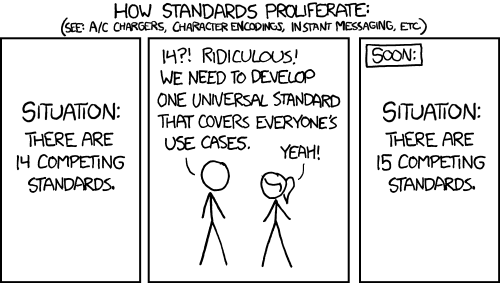
Fortunately, the charging one has been solved now that we've all standardized on mini-USB. Or is it micro-USB? Shit.
sage python
Well post-intro topology prob could use some books lmao
civic carbon
it's intro to proof books that I universally despise most
gray gazelle
Vellleman has a good rep
sage python
I don't like the idea of intro to proofs books because I'm just like, you know just learn math and figure out proofs in the process
But idk maybe if there's a discrete math book that's very much pitched at "You don't know yet how to prove things" and kinda holds your hand
flint forge
intro to proofs also like doesn't have a motivating subject matter
its just a smattering of things
with easy proofs
which makes it boring
civic carbon
I don't like Velleman but a lot of people seem to.
sage python
Then I could buy that if someone's struggling with both the content and proofwriting by trying to jump into Spivak
rapid grotto
shouldn't you learn math through proving
sage python
Well yeah but it kinda goes both ways
flint forge
Daniel Litt had an interesting point about having classes specifcially dedicated to writing proofs well
which I think is reasonable
some people suck at writing proofs
gray gazelle
Doesn't polya have a book too
flint forge
(i would argue I do not but i am clearly biased)
gray gazelle
I don't remember
sage python
Like idk you learn induction proofs by seeing a bunch of induction proofs and figuring out how they work
civic carbon
hahaha well I think it should be understood that is the goal of what I call a "Mathematical Reasoning and Writing" course.
rapid grotto
so you learn induction proofs by seeing a small amount of induction proofs and extrapolating?
interesting
sage python
Pretty much, like okay you want people to have the dominoes idea for why induction is a thing
civic carbon
If you don't spend a long time on it, an undergrad will write literally every proof by contradiction
sage python
But then the actual practice of induction is just, okay you just kinda see it a bunch and you're like okay this is how I prove that the n case implies the n+1 case
gray gazelle
The hardest part is believing induction works lol
sage python
It came up but I never really learned it right because it was basically just our way of showing the sum of n or n^2
trillium: dominoes is the answer to that lol
Just think dominoes
flint forge
i dont understand why its hard to see induction works
like i never really got it
it seems pretty natural to me
civic carbon
induction is weird enough I think it is helpful to showcase a diverse collection of examples.
gray gazelle
It clicks logically of course
rapid grotto
yes, to actually learn to create induction proofs you have to learn by example
sage python
Yeah nah induction is kinda one of those things where I don't think the logic of it should cause any difficulty so much as like
gray gazelle
But it doesn't sink in
sage python
People need to get used to what the P(n)=>P(n+1) proofs look like
civic carbon
When I learned induction in precalculus (for who knows what reason) it seemed utterly mysterious, and then at some point it just became utterly obvious. See also: related rates problems.
flint forge
what do you mean by sink in
rapid grotto
because if you learn what induction is formally, you probably still won't know how to prove a specific case
gray gazelle
That satisfaction of yeah I proved that result
sage python
mzdunek: that's less the fault of induction though it's more like
flint forge
maybe im just more willing to buy stuff than most people
sage python
Induction is a method but there's still the "technique" that applies to each problem
gray gazelle
I highly doubt that max
flint forge
?
sage python
Like if you're doing a proof in graph theory by induction
gray gazelle
It's like if your problem is wearing a dress
civic carbon
I thinmk it was weird because math was a lot of algorithms, and induction is an algorithm, but it wasn't clear what the result was.
rapid grotto
I think proofs by induction can have such different forms that examples will only help you solve similar ones
gray gazelle
No that's a bad analogy
sage python
You still need to figure out what the actual reduction is like
That's not a part of the "theory of proof by induction" or whatever
gray gazelle
I think you are not very agreeable btw is what I was saying
sage python
That's part of thinking about graphs
civic carbon
What I really dislike is when people teach strong induction as a separate technique
flint forge
i have no idea what you were saying tbh
oh i agree w that zeta
i dont like people teaching 'techniques' much
it makes proof-based math have the same problem other math had
flint forge
like the whole reason normal math is so boring is bc its broken up into a bunch of 'stratgies'
civic carbon
"Direct Proof" "Proof by Contrapositive" "Proof by Contradiction" "Proof by Induction" are all important techniques, but I don't like refining it too much more than that.
gray gazelle
But let's say your machine has 4 parts and it's not working
Induction feels like if you bought a bottle of special oil poured it on the whole machine and suddenly it works
sage python
Lol so, idk whether this was specific to my professor or what but I never really learned much of the names aside from induction and contradiction
So for so long when I was working with people they'd be like oh are you proving this by what?
gray gazelle
Whereas the normal techniques deconstruct the machine,find the problem and fix it
sage python
And I'm like idk follow the logic and let me know lol
civic carbon
but immediately identifying if you are proving the contrapositive or using contradiction or whatever is very important. And an A-level intro to proof student I want to be able to look at a proof by contradiction and tell me if it is really a proof by contradiction or not. (Hint: it is not)
rapid grotto
yeah induction is a pretty cool technique, first you prove P(n) by assuming n is a natural and then proving it for it, but turns out you can do it by just proving P(1) if you have the induction step
flint forge
idk if i agree w that
induction just kinda clearly works to me
thats to trillium
yeah that makes sense zeta
sage python
Yeah I don't really see how induction is at all magical trillium, like have you heard of recursion in compsci?
It's just that but backwards
gray gazelle
Not magical
flint forge
maybe that was it actually
civic carbon
(which is a point to the earlier bit from Litt: it's not about writing a proof, it's about writing a good proof that emphasizes the key points and deemphasizes the computation)
gray gazelle
But it doesn't feel like it's actually deconstructing the problem
flint forge
so i was used to that type of thinking
yeah i really dont know what that means
if something works and its clear that it works
gray gazelle
But I was like young and that was the first proof based technique I ever saw
interesting takes
Might be that it's just registered in my brain
flint forge
Do you mean that proofs by induction don't tell you why something is true?
I agree that is often the case
gray gazelle
Yeah sort of
civic carbon
That is the topic of a whole lecture when I teach the course haha.
sage python
But yeah idk the logic of the proof to me is a bit different from the key points. Like for instance any proof that doesn't go through contradiction can often be rephrased as going through contradiction
Which a lot of people do
By some metric that's probably not great writing but, in a way that's a bit immaterial to me
civic carbon
But if you write a correct proof except it is really by contrapositive and you write it as contradiction and you include unnecessary steps and don't emphasize the key pieces, then it is muddy. Even just saying "Write this same proof as well as possible" is a useful thing to learn.
rapid grotto
induction is much more intuitive to me than most proofs in mathematics
sage python
Maybe, I don't know how much that particular distinction causes much of a problem compared to like, the conceptual background. Like however it's phrased what's the idea that's the input?
flint forge
I've written a lot of poorly organized proofs
sage python
And as long as the logic doesn't become too much of a maze then I think the conceptual input is what's most important. It'd be ideal to phrase things most cleanly for sure
flint forge
some by people with phds or more
and I think a class on how to do it well is improtant
sage python
But say that's something I'd care about in papers more than psets
gray gazelle
This reminds me Sloth
flint forge
Also writing a clear and concise proof can often improve your understanding
gray gazelle
I did actually learn to do some proofs without ever touching proofs in the past in Lang's BM
Spivak btw is a great book
Where he wanted me to prove even odd integer thing
I'd much rather suffer with innovative problems
civic carbon
yeah, with undergrads I strongly encourage students to write clear and concise proofs, but unless it is especially egregious I don't take off points. With grad students it needs to be clear/concise.
civic carbon
though, as soon as I required students to type homework instead of handwriting it their proof writing improved much faster because they could edit their work..
gray gazelle
But most of the time I'm not sure if I lack the knowledge to prove, or if I just don't know how to prove @gray gazelle
I think proofs at that stage are hard because you know the process
But explicitly stating the obvious and being called out on that is a challenge
sage python
Yeah erasing is the worst
I remember my calc prof third quarter was like
Yeah I want you to write at least two of the psets in TeX, it's probably more important than any of the content you'll learn in this class
And I was like alright I'll do the first two
But then I liked TeX
So I just never stopped
Also we should prob migrate if we're not gonna talk about books here
sage python
Nah not really
gray gazelle
I think, (hopefully) spivak will get a lot easier when I get a better grasp on inequalities
marble solar
what chapter are you on?
gray gazelle
I don't know why I am having such a hard time grasping these concepts
sage python
Hard disagree
gray gazelle
But I want to know
marble solar
I like to keep moving and come back to things as I go on
gray gazelle
I skipped part 2 about induction and series, it's muuuuuuuuuuuuuuuuuuuuch easier to grasp than the first chapter
never even done series before
but it feels much more algebraic and doable
civic carbon
@frigid comet What book should I get on spectral theory?
 frigid comet
that super depends on what you want to learn exactly
civic carbon
I don't really know anything about harmonic analysis, and I'd like to, so I'd emphasize beauty/readibility over other goals
 limpid gazelle
 dapper root
Understanding inequalities was the roughest part of analysis for me
I remember our prof was like “analysis is just inequalities” and I didn’t believe him for a long time
 pulsar aurora
In apostol, all his proofs are just inequalities.
dapper root
And before someone interjects that it’s more than that, yeah of course it is, but at a first go at it inequalities make up a huge part of it. I didn’t realize what it meant to “estimate something” until I realize it just means give an inequality bounding it by something you actually understand
pulsar aurora
Honestly, skipping the initial chapters of Apostol put me a disadvantage of proofs because he uses this theorem for inequalities to show integrals of functions.
frigid comet
For harmonic analysis grafakos was my entry point, along with stein's books.
For spectral theory it really depends on what you are trying to get to. Will post some things in a sec.
sage python
Oh I just got a copy of Grafakos' Classical Fourier Analysis actually
Would like to read it at some point
@civic carbon so one book my functional prof found after our class was over which he wished he used I think would be really up your alley
This textbook provides a careful treatment of functional analysis and some of its applications in analysis, number theory, and ergodic theory....
civic carbon
ohh notes are often very nice
sage python
Looking back at that book it's kinda funny that
When I first was told about it all the topics were like oh yeah this is cool stuff I might wanna eventually learn
Now I'm pretty sure all of it is very directly relevant to me lol
frigid comet
🐱
civic carbon
you're a number theorist, there is no math not directly relevant to you
sage python
Well, logic
 tawdry flicker
any book that explains conic sections in polar coordinates well? if any id like it introduced! (it can be a part of some book, not necesarilly an entire book dedicated to it, or it can be a site, i just want to learn really haha)
frigid comet
am actually little surprised that all of that book is relevant to you dami
but it is nice, some of the exercises are quite tricky
tawdry flicker
oh my god i just download that book and i cant even get past the first page, amazing..
sage python
I guess the spectral measure stuff in particular might be a bit less in my face relevant but
frigid comet
wait, which book are you talking about? lol
sage python
The functional book
frigid comet
ohhhh lmao
this whole time I thought you were talking about grafakos 1
this makes a lot more sense
sage python
Yeah I got the Grafakos one more as like, oh I'll hold on to it and hopefully learn it eventually
frigid comet
I'll bully you less on here once you learn everything in that book 🙂
sage python
alright brb telling Simon I'll pause on automorphic forms until I finish Grafakos
frigid comet
probably most efficient, automorphic forms will be a lot easier to learn without drowning in helper pings.
marble solar
I've been using Stein's Harmonic Analysis @sage python I tried reading grafakos but it seemed more technical
And less about the big picture
frigid comet
Really? @marble solar Which stein book? I adore Harmonic Analysis: Real Variable Methods, Orthogonality and Oscillatory Integrals, but I don't think I would agree that grafakos is more technical than it. Certainly not grafakos I at any rate.
frigid comet
as you should, he was amazing
it's a shame that book is so ridiculously expensive / hard to find
civic carbon
Is this the same Stein that did the analysis series with Shakarchi?
 restive cradle
yall math teachers?
frigid comet
one day maybe, still in primary school for now though.
 near yew
this place scares me
sage python
I'm applying to grad school this fall at which point I'll probably be TAing
 steel viper
applying?
sage python
I'm trolling King you fucks
 broken meadow
gottem
steel viper

dapper root
:qed:
restive cradle
got me googling what a grad school is
 civic carbon
I really dislike "QED". Though I do love that TeX lets you pick your own proofbox
dapper root
I never end my proofs with QED
or the tombstone
it just ends
I only ever use the proof environment when immediately after a theorem or lemma I chose to name
haha
civic carbon
I really dislike when texts don't mark the end of proofs
dapper root
Tbf my experience is exclusively with hw
 quick hornet
one of my undergrad profs had a habit of marking the end of everything
he used symbols like EOP for "end of proposition" which okay, kinda fair
dapper root
where it's obvious the proof ends because then it's followed by "problem 5"
quick hornet
but he also included figures in his lecture notes sometimes
and the end of captions would have "EOC"
it was
bizarre
 valid moth
at least he won't stay as a ghost after he dies
quick hornet
oh he also had "EOL" for "end of list"
dapper root
lmao, marks the end of caption
quick hornet
like when listing TFAE or whatever
marble solar
@frigid comet I got a used library copy of Stein's Harmonic for like $40
 marble solar
Yeah I find cheap books all the time
 wooden sparrow
@marble solar teach us how to do it
wooden sparrow
What are major differences between editions of books?
I saw a 2nd and 3rd edition of velleman on Amazon
pulsar aurora
usually the books will detail the changes
wooden sparrow
Okayy
 stray veldt
most of the time there is a preface to xx edition
detailing why the new edition
more often than not it's just fixing of typos
 civic ravine
@wooden sparrow i ordered the 3rd edition i think
stray veldt
they like money
pulsar aurora
How else can they keep making that cha-ching.
stray veldt
i mean most authors will keep a list of known typos/mistakes
and if a book is popular or there is a re-print for some reason those are corrected first
(obviously)
and old editions being worth less is just market economics
wooden sparrow
Damn okayy
marble solar
There's usually used bookstores in your area
You never know what's in there, I've found some real gems
wooden sparrow
@marble solar bruh I live in a 3rd world country
Our used book stores are rare. And they probably have like entrance exam prep books
pulsar aurora
My area has a local used bookstore. You can find fairly expensive textbooks for like 10 dollars. Usually university students dump their unwanted books there
 teal gyro
https://drive.google.com/file/d/1VmkAAGOYCTORq1wxSQqy255qLJjTNvBI/view
What level probability do you think this text is?
if one were to complete it
like advanced?

Google Docs
Introduction to Probability (second edition) by Joseph K. Blitzstein and Jessica Hwang. Chapman & Hall/CRC Press, 2019.
tranquil ocean
This looks like a pretty standard intro to probability book
rapid grotto
new editions are usually more than typos, there's often some rearrangement of topics, exercises, sometimes the content gets updated due to developments in the field
civic carbon
usually they just reorder the exercises to be dicks, lets be honest.
dapper root
I think the reordering of exercises isn’t on the author, more so the publisher.
It makes it super hard to use an old edition of the textbook when your class has moved onto a new one, in the context of < analysis level textbooks where publishing companies are literal hell spawn
civic carbon
though, for what it's worth, Dummit and Foote amde a third edition of their book, and the publisher said they were going to rearrange the exercises, and raise they price, and they said no
it got ugly enough they just changed publishers to someone who would meet theri demands.
dapper root
Yeah, I feel like authors aren’t the bad ones here
Most of them probably want people to get it for cheap and have access to it, they don’t make a lot off of the royalties anyway
civic carbon
they certainly can be, it really depends if we're talking about Calc books or K-theory books here
 velvet briar
Sucky choice, I can just download it for free
dapper root
I don’t think it’s the authors of calc books who are doing that tho
I think it’s the publishers
Also uh, we’re talking about legally acquiring such stuff
If you’re going to employ alternative methods then a lot of this is irrelevant
civic carbon
haha have you seen Stewart's house 😛
dapper root
I mean Stewart is a special case lol
civic carbon
I know examples of ethical and less ethical authors 😛
dapper root
It probably also helps that hundreds of thousands of people a year learn calculus
And the standard text is Stewart’s
sage python
I think it depends a bit on how much authors know they're giving up control and how much they know of the snake-like tendencies of publishers
My impression is that these sorts of shitty practices have only become a thing semi-recently, so a lot of nth edition books may have been published when the authors didn't have reason to believe publishers were gonna pull these sorts of stunts
civic carbon
haha well, it's been at least 20 years
sage python
In which case they might've been okay with giving up a lot of their say. Though nowadays anyone who writes a book I think knows what they're doing
civic carbon
but for, e.g., GTMs the authors are usually unpaid. I was having lunch with Washington once and he told me that, and I was sort of floored. He said "The only compensation I got for my Cyclotomic Fields book was a box of copies of it. Here, wnat one?"
sage python
Like even if they're not active in it they allow it knowing there are alternatives like Dover
Tbh I'm fine with Springer they strike me as decent
Really I blame people who make decisions about books to use more
valid moth
wait really zeta?
i mean i already didn't feel bad for pirating off of libgen because i can't afford math books
but now i reaaally don't feel bad
sage python
Like there's someone who's choosing to use Stewart and require the most recent edition each year and possibly WebAssign
Hard for me to believe they aren't bribed to do so tbh
civic carbon
yeah, and then you've got me convincing everyone not to require books
oh, they are totally bribed 😛
sage python
And those guys I think take like, 90% of the blame
civic carbon
Very obviously, in lots of publically known ways and some less publically known ways
valid moth
i wonder if there are any hs euclidean geometry teachers who still use Elements as a primary textbook
yeah there definitely are
sage python
Eh for high schools tbh it's not that big of a deal given that students don't pay for their books
civic carbon
but publishers love flying people out for a weekend at a resort 😛
the nice thing is that people in education are cheap to impress.
sage python
Though it's still taxpayer money
valid moth
pro strat: when you describe the condition of a textbook you get for hs, allow for the damage you may inflict on the book

sage python
But people in college who do that for calc classes, like I guess it's their right because students go to college on the college's terms
valid moth
(as in, describe the condition as already having the damages you may inflict on it)
sage python
(Not sure if that form of bribery is illegal or not though)
But like such a person I would not trust with a pet or something you know?
civic carbon
but some web homework companies pay calculus coordinators an administration fee 😛
though for what it's worth, I'm very pro WebAssign overall
but I'm very anti making students buy $150 calc books
I would love it if the MAA would pour a lot of resources into their free competitor to WebAssign, of course.
sage python
Eh, I get the idea of it but because of how lenient the system seems to be the homework is usually weighted as an extremely low percentage of student grades
At that point I'd rather just make optional homework and then give quizzes that you know how to do iff you do the homework
 restive raptor
Take home assignments do a lot that quizzes can't
civic carbon
I think for first year calculus courses you're not just teaching them calculus, you're teaching them how to take control of their own life. A big part of that is helping them see that choosing to put in the work pays off.
and webassign style things are very good at making work lead to that payoff.
I do not really consider homework in a calculus class as a form of assessment.
restive raptor
I mean my homework in first year calc had a ton of fun, useful questions that would've been crazy unfair as quiz questions. Homework is a great place to ask people to do questions they've never seen before, prove new conjectures,or just do wonky, fun questions
sage python
I mean that's not necessarily something you have to require though. Like for a large calculus class I think there are two dynamics at work
civic carbon
I usually don't ask questions on Calc homeworks I would not ask on a test. I used to, but I've really honed in on making the students know where to focus their efforts.
sage python
First is that a lot of people are in other majors and take calculus as a utilitarian class
civic carbon
(Of course if a motivated student is really interested in being pushed, I'm happy to provide that)
sage python
Second is that there's not really enough manpower to grade
WebAssign I think recognizes these dynamics
restive raptor
ok tbf the calc class I took was an advanced stream that basically covered early analysis with ~60 students total so maybe my experience wasn't representative
sage python
Because they give you like, 20 chances to do to each problem
restive raptor
but there were a ton of truly brilliant assignment questions
civic carbon
I think the importance of immediate feedback is also there. If you don't get that immediate feedback then you can do a whole homework wrong.
sage python
And they're all computations. So I feel the homework isn't really weighted much as a result
civic carbon
Of course, in my calc packet part of my way of addressing this is by including answers to almost every question. But that allows students to do bad things.
sage python
So basically it's a matter of, don't grade the homework at all or grade the homework but charge $120 to do the class
civic carbon
is WebAssign that much these days? IT was like $35 not long ago haha
sage python
Yeah
That's what gets on my nerves lol. Even $35 in principle is like, well what if the student is struggling? Maybe if financial aid would increase to cover that I'd be down
civic carbon
I mean, a grader costs way more than $35 a student
but yeah, I tend to list textbooks as optional
sage python
Well the cost of TAs is part of the tuition
I feel like it's sort of the distinction between sales tax in America vs VAT in Europe, but given the presence of financial aid it's more material than just in spirit
civic carbon
I'm just saying the college/department paying for it is not absurd
sage python
I'd be fine if they did that tbh
flint forge
students should not have to pay in addition to baseline tuition imo
sage python
^
flint forge
otherwise you create a system n which only wealthy students can take certain classes
and this will almost certianly end poorly
civic carbon
I more or less agree with that.
flint forge
although i mean my real take
dapper root
Isn't it already a situation where only wealthy people can take classes period
flint forge
is that we should have free well funded public univerisities
dapper root
Not to say piling onto it is fine
flint forge
and that private unis can do whatever they want
dapper root
But it already isn't great
restive raptor
what my school is (possibly) doing is reducing tuition for everyone, then adding a global fee if you take any classes that use our online web assignment service
flint forge
I still think thats BS
dapper root
I mean that just introduces a new lower level
flint forge
in part bc webassign is a worse experience
flint forge
how can you justify making someone pay
for a worse grading system
lol
I'm ok w colleges nickle-and-diming rich kids
but like
sage python
I mean students being in a school, depending on financial aid, can have a variety of backgrounds. So like there's the question of whether being able to attend is equitable but that's handled at a different level of administration
flint forge
you shouldn't create a virtual caste system within the university
civic carbon
I think for skills courses something like WebAssign is way better than any other alternative, but I think of it as being a supplement to maximize time effectiveness
sage python
But inside the school you now introduce a new dynamic of X major being property of the richer kids among students
flint forge
Wdym zeta
the alternative is a human grades it and gives you feedback
thats objectively better
marble solar
IDK if that's always objectively better than an online program
flint forge
all tech-based-grading software is terrible
sage python
The Chicago system is actually kinda decent, undergrads grade the homework for these classes
civic carbon
I think that depends on what the issue is. If the issue is the student keeps saying (x^2)^3 = x^5, that feedback does not help.
flint forge
How
civic carbon
but being instantly kicked whenever you do it until you do it right does help
sage python
And grad students teach 30 person classes
flint forge
i dont agree w that
Yeah UChicago is rich though
charging full tuition for online is so insane
its basically extortion lol
civic carbon
haha that's what my grad program did. That was a big part of why I chose it.
sage python
It could bite them in the ass tbh, like I'd be inclined to defer
Unless they just decide nobody defers
flint forge
Thats not what they are doing dami
they are waiting to announce
until deposits are all in
And they are restricting deferals
civic carbon
but most algebra stuff isn't something the student doesn't know, it's stuff they know and do right 80% of the time. The skill isn't knowing how to add fractions, it's doing it consistently correctly. Which is where some form of automatic grading with instant feedback is super helpful.
flint forge
They have threatened to go to waitlist instead
sage python
I feel like that's the kind of thing though that students probably should've handled before entering into a calc class
civic carbon
interestingly students were about 50-50 split on whether they preferred the homework done on paper or online.
flint forge
and its rarely the students fault
Did you correlate those results with grades zeta
i'd be interested
my guess is people doing well online like online
marble solar
The instant feedback system has helped a lot of people. So I worked for an alternative mathematics program at my college called Self-Paced Mathematics
Where students would come in with assignments to do, no scheduled lectures
And I worked as a tutor to help the students with their assignments
sage python
I mean by college you're responsible for your education to a degree
civic carbon
You can scold students for not having mastered algebra/trigonometry all you like, it will not make them better at it. I really like how our school handles it, actually.
marble solar
The difference between an instant feedback system, using online software and just textbook assignments was night and day
The pass rate went from like 25% to 75%
flint forge
I again disagree with you about that dami
civic carbon
I did not view that there was a significant correlation. Obviously there are infinity confounding variables.
flint forge
Many people do not want to be in college
but recognize it as a prereq to a great many jobs
most of which will never requre them to use any calc
but they still need it to graduate
restive raptor
if the questions are computational, yeah, instant feedback is so much better
marble solar
Yet, most people in college taking math are taking computational math
sage python
I mean I think over-requiring calculus is the actual problem
civic carbon
But, to be clear, non-human feedback does not scale into even all of the content in Calc II. But probably an optimal combination would be some sort of quick check with instant feedback.
flint forge
stats probably should be
civic carbon
Yeah, Calc 100% should not be a requirement 😛
sage python
Like I'd rather say calculus shouldn't be required for majors that don't use it, but then if you're taking it you should know what it takes
flint forge
also yeah, if you are taking integrals and messing it up, knowing you're wrong is basically unhelpful
marble solar
That's exactly what the CA legislators said and the fail rate for stats went from about 45-50% to like 65-70%
To try and push as many people into stats
civic carbon
followed by actual written stuff with feedback. I actually did that with combinatorics and it was helpful I think.
marble solar
I mean the whole goal was to get more people through the system
sage python
I mean are the stats classes more technical than what a required stats class should be?
civic carbon
And if you know you're wrong, then you go to office hours or various other services that I hope your campus provides.
flint forge
that wasn't my goal
my goal was everyone should know stats
bc basic data literacy is important
i mean like baby stats
marble solar
Sure, but not everyone can learn stats
flint forge
wdym
marble solar
Some people don't have the cognitive ability
flint forge
That seems very high
marble solar
Yeah it is very high
civic carbon
I've done a lot looking at what different people do in intro stats, and I tend to think they're overambitious by an order of magnitude.
flint forge
I don't believe people 'cant learn stats'
Maybe the class has to be slower / cover less
what im imagining isnt exactly a lot of material
marble solar
I mean it's not what you believe, again there's actual data covering this
flint forge
What data could possibly prove people cant learn something
civic carbon
also, if you want to be all hip, you will call the course "Data Literacy" instead of stats, that's all the rage now
flint forge
I just did haha
marble solar
Hrmm I've gotten flamed on here for this, but g-factor and IQ are pretty good indicators
marble solar
If you have an IQ less than 83 it is illegal for you to be inducted into the US Army
sage python
Yeah I think there's a fairly limited level of stats that it's fair to say any reasonably educated person should definitely know. And I think some amount of stats is part of it but probably less than, say any college stats class
marble solar
If you have an IQ less than 90 it is difficult to take written word and instructions into action
flint forge
I dont see how this is relevant
marble solar
You can go look at what psychologists have done
flint forge
or even a counterargument
tranquil ocean
34% of people have IQ's less than 90
marble solar
If you can't take written word into action how can you do stats?
It's very, very hard
It takes a long time
flint forge
IQ has been demonstrated to be classist and racist, a correlation with certain abilities by no means shows that IQ is a good system
marble solar
That is not true at all
restive raptor
people with an IQ below 90 don't have trouble taking written word into action what the fuck
flint forge
Yes it is
marble solar
It's been used by racists and classists
flint forge
Yeah moonbears
marble solar
But fundamentally it isn't
flint forge
this is wack
please give us
any data
to back up your claims
because they sound totally false
tranquil ocean
I didn't realize that 34% of the people in the world have trouble taking written word into action
flint forge
i dont even know what that means
'taking written word into action' you mean following instructions?
Legos are labelled for like 7years olds
restive raptor
an IQ of 90 is ~1 standard deviation below average. There is no world in which that means that you can't take written word into action
sage python
I've gotten stronger sentiment than not that IQ is rather weak, enough that I'm willing to mostly dismiss it unless I see a rather compelling case
marble solar
It doesn't mean you can't, it means you have trouble doing so
restive raptor
on top of that, IQ comes from 4 categories. You can tank one category, and do well in the other 3, and still test as an IQ of 90
4? I don't actually recall the amount
flint forge

Here is why IQ is bullshit.
A thread.
Retweets
1092
Likes
3182
 Twitter
@marble solar still waiting for data
And what does 'have trouble doing so' even mean
@sage python see thread above
main flax
did someone claimed iq is not bs again?
flint forge
Yes
main flax
smh
marble solar
I'm not going to get into it because it's "taboo" for whatever reason. There is data aplenty if you look around. It's been used to justify horrible things that I don't agree with
But to say it's not accurate is wishful thinking
flint forge
It's not taboo you just cant back up your argument
And it is inaccurate
look at the above
velvet briar
I mean isn't IQ ideally supposed to correlate with career success? (Not that I actually believe that)
flint forge
"There is data aplenty if you look around" if its so aplenty it should be easy for you to share some
No
it's supposed to be an objective measure of intelligence
which is its first problem
because that concept is itself nonsense
velvet briar
Well yes then in that regard those posts do show IQ fails
marble solar
I have shared some before and all it started was a needless flame war and argument
flint forge
Feel free to DM it, I won't flame war.
velvet briar
I don't feel like it was designed to appeal to nations that aren't modern. At least, it shouldn't have been idunno
flint forge
Huh?
what does that mean kaynex
One of the central claims of IQ
is that its "culture-free"
which is objectively false (and only consists of a small part of that thread)
velvet briar
Okay fair. Shows how little I know about IQ
marble solar
Well, they try to make it culture free. Psychologists have been trying to measure this to some success, not much
main flax
i can dm you some stuff but you need to unblock me first max 
main flax
oh well i tried
flint forge
I mean don't get me wrong what IQ tests try to do is incredibly hard
but just because we don't have a good test
doesn't mean we should keep using a bad one
velvet briar
That one genuinely suprises me haha. IQ isn't even a good test on a modern culture
flint forge
and there are tons of reasons to doubt the veracity of IQ
velvet briar
Not that I think it is, but I didn't know it was so easy to find a fault. Why is this used? Haha
flint forge
I mean not to be rude but any belief you had in IQ prior to ths convo was based on (what seems like) a pretty limited knowledge of what IQ tests were lol
It's used bc some psych people are lazy
valid moth
oof
velvet briar
No no I know they are shit but "It tests badly on this stone aged civilization!" Is eh
flint forge
The point is not that there are outliers
its to demonstrate a fundamental flaw
i.e. that no test can be designed without a depedency on some shared culture
but that fact alone means that IQ tests will always be biased toward the subconcsious inclinitations of the designers
velvet briar
What if they're genuinely not intelligent? Lol
But I get the point - their culture's type of intelligence is ignored by our test
flint forge
which is mostly just Americans
Calling an entire culture genuinely unintelligent is itself genuinely unintelligent
velvet briar

flint forge
the issue is that we are grasping at straws trying to measure something we don't understand at all
if you cant even define intelligence
how can you measure it
how can you even test your measurement
if theres no baseline
velvet briar
Yes
sage python
Good thread
steel viper
oh yeah he did post the IQ thing before
"psychologists think IQ is valid" and then he posted a single psychologist lol
sage python
1/(number of frivolous daminark pings) is probably the best measure of intelligence tbh
flint forge
i think im at 1/0
sage python
Yeah you're smart
tranquil ocean
1/0 = 0 though
sage python
Zoph with the bazingas
velvet briar
Here's a question I think I was getting at - can one learn to be more intelligent?
civic carbon
wait is it 1/0 or 0/1 that is undefined? I can never remember.
sage python
What exactly is intelligence?
velvet briar
Again, this stems from my 0 knowledge of IQ
And I admit I have no proper definition of intelligence haha
Ok GO
sage python
I'm starting to wonder if there's really a notion that's consistent with everything we want it to be
civic carbon
(I am also a big fan of the question "Is square root of 0 just undefined, or is it 1?")
pulsar aurora
seems weird this is in the book-discussion section
velvet briar
I get the odd feeling intelligence isn't real
sage python
Lol, this did springboard off an actual discussion about books
velvet briar
Because I don't have it
civic carbon
I think "book-discussion" just means "cool people room"
pulsar aurora
"people who actually read" room?
sage python
Ah hah
civic carbon
In the end, the book-discussion was the people we met along the way, or something.
velvet briar
We put that name on the room so people who didn't read would never come in
sage python
Okay here's a book related thing: what's an area of math that you wish had better literature?
flint forge
algabraic topology
civic carbon
algebraic geometry
velvet briar
Group theory. For such a simple and fun study, I dislike that the book choices are kinda between "which one is least boring"
sage python
I guess I should specify "better", or leave it open to interpretation but ask that people elaborate
dapper root
higher algebra 
sage python
e.g. I think AT needs better literature in the sense that it needs literature beyond intro lol
flint forge
no
sage python
I have a friend who tried to do some equivariant/Bredon cohomology
flint forge
one day you wake up
sage python
And finding sources was a nightmare lol
velvet briar
Everyone is like "d&f is definitely going to put it in your head but you'll sleep if you read it" lol
flint forge
did their last name start w S
sage python
Yes
flint forge
and did it sound like an animal
sage python
Also yes
sage python
Yeah they're my best friend and I remember the vicarious struggle lmao
civic carbon
Group theory texts are haunted by the classification theorem.
dapper root
what do you mean by that?
sage python
But yeah I think like, with intro there's some good intro book for everyone mostly?
tranquil ocean
I'd probably also say algebraic geometry, but I might say class field theory at this point honestly
sage python
But there's no one book that does the trick for everybody
AG I think is also like that?
dapper root
Well with AG
sage python
But beyond intro AT it feels like lmao gg have fun
dapper root
It's more like there's no book that does the trick for anyone
flint forge
I feel like Vakil + Hartshorne is sufficient for AG
dapper root
ehhhhh
flint forge
depending on your speed preference
dapper root
Maybe if ur genius boy
civic carbon
Because for 50 years group theorists worked towards the classification theorem, and so what was important/interesting were the techniques that contributed towards progress in that. But now it's done, and so a lot of that stuff is still showing up, even though it need not.
tranquil ocean
have you even read either of those lmao
flint forge
I've read pretty far in vakil before the content bored me
sage python
I've glanced through Vakil a bit and it seems pretty smooth tbh
dapper root
did u do all the exercises as they cropped up tho?
flint forge
ofc not
dapper root
It makes it take a loooot more time
flint forge
who does all the exercises
dapper root
ppl who want to learn the material lol
velvet briar
I make sure to glance at them
dapper root
If you want to just hear all the statements go ahead lol
 tight crag
Lol
flint forge
Doing a handful is important
civic carbon
to quote the faculty who taught me, "You can learn everything in Hartshorne and know exactly enough algebraic geometry to do zero algebraic geometry"
sage python
There's probably a lot of scales between doing nothing and doing all lmao
tight crag
Yeah time is a valuable resource
flint forge
but doing all of them is kinda pointless
dapper root
But I for one can't move forward without doing a lot of them
My perceived understanding becomes very shallow
and it crumples a few sections later as I realize I didn't actually learn the stuff I thought I did
sage python
But yeah I think for non-intro AG there's a ton of stuff. Claire Voisin for Hodge Theory, Fulton for intersection theory, Mumford for abelian varieties, etc
velvet briar
"Wow these questions seem like they'd be fun!"
tight crag
Lol
sage python
But yeah I'm like aware of a lot of intro AG books and they all seem to have some kinds of advantages over each other
flint forge
lmao everyone just pretends that AT past hatcher doesnt exist
I mean peter has a handful of books
and theres like
ravanel
for homotopy memes
dapper root
when u say homotopy memes
flint forge
the nLab has the best stable homotopy theory 'textbook'
sage python
Like I've heard Liu has worse exercises than Hartshorne and a worse treatment of cohomology but nicer exposition
dapper root
do you mean like higher homotopy stuff
dapper root
I see (I don't see)
flint forge
higher homotopy groups of spheres are hard to compute
dapper root
O
flint forge
the theory for trying to compute them is very deep and very varied
dapper root
weird
sage python
I heard that Mumford and Oda have something that people like actually
flint forge
about?
sage python
Intro AG
dapper root
Intro to schemes?
Or like varieties
I think there's various books on varieties ppl like
sage python
So there's Mumford AG1 on complex projective varieties
And Mumford/Oda "AG2" that's schemes
flint forge
theres like 0 equivariant topology sources
velvet briar
Isn't S6 still an interesting case?
dapper root
equivariant in what sense? Just a general group acting on it?
velvet briar
Why isn't this channel?
🍞
Sorry energy drinks. We were talking books and all this happened
sage python
I mean now we're kinda still on books lol
flint forge
uh
you have a topological group G
You think about the category of G spaces with g-equivariant maps
you get G-Homotopies in a straightforward way
dapper root
I see
flint forge
you study G-Equivariant Homotopy Theory
dapper root
This time I actually see
flint forge
you get 'upgraded' versions of homotopy groups and homology groups
or at least more complicated lol
a whitehead theorem for one
I'm not sure I understand the question or maybe you misunderstand the motivations? You need more complicated invariants bc GSpaces are more complicated
that one
you have a notion of G-CW complexes
If your equivariant homotopy groups are all the same and have an equivariant map inducing such an iso
then you get g-homotopy equivalence
But the actualy statement is a lot more complicated
because you have to think about all the subgroups of G
and their fixed-point spaces
Yeah you need your invariants to encode group stuff and top stuff
in order to see such things
Interesting theorem that I'm toying w generalizing for peter if I get time
Call a finite T0 space an F-Space
If you have a htpy equivalence of F-Spaces then you have a G-htpy-equivalence of F-Spaces
Sorry slightly stronger
you need the map to be a g-map
but it doesn't need ot be a g-homotopy
So if i have F-Spaces X,Y and a g-map inducing a homotopy then i get a g-homotopy for free
The ideas surrounding this proof can be generalized nonequivarienalty in a way that seems like it might admit an equiv. analogue
Not exactly it's pretty specific to this alexandroff conext
you use poset stuff
the idea is you build something called a core by killing 'beat' points
and then the homeo classes of cores basically determine the homotopy classes of the whole space
its weird
and not very geometric
you can find the statement as 7.1.5 in peter's unpublished finite spaces book
dapper root

tranquil ocean
@civic carbon I've been reading the fourier analysis on number fields book you mentioned
civic carbon
I think Dami mentioned it when he told me where to find a reference for what I was looking for, but it is very cool stuff
flint forge
whoah this is so weird
so im reading a thesis rn
and it cites a theorem
ths theorem was someone else's thesis
and I was at the defense!!
long before i knew what any of the words meant
the phrase "Mackey Functors are G-Commutative monoids"
dapper root
Wait why were you at someone's thesis defense? Were you like supporting them?
flint forge
has been stuck in my head
peter was like 'yo come to the defense' to all the reu kids he worked with in my first year
dapper root
ah
flint forge
ive been to two thesis defenses now actually
i might be paraphrasing
i was the only ug to take him up on it iirc
it went way over my head
it still would go mostly over my head now
but both passed the defense
so really
im a good luck charm
tbh if travel is a thing by then i'd love to visit all of the grad peoples thesis defenses
yes
i think a good advisor wont let you defend
if you wont like ez pass
but yeah like this person didnt even finish their proof
and still passed hahaha
civic carbon
If you fail your orals, it looks bad for you. If you fail your defense, it looks bad for your advisor.
flint forge
it was so chad the last one i went to
was over zoom
and bc they couldnt like
meet in private easily
they just said "do we agree"
and the other said "yeah"
and then were like "congrats doctor"
civic carbon
I have rarely felt more awesome than during my defense.
all these faculty you respect are asking the easiest fucking questions, it's great!
flint forge
have you done/heard of uchicago job talks?
i only have seen the econ ones
but apparently at most schools people like politely let you give your talk and ask a few lowballs at the end (in econ)
but uchicago tears them the fuck apart
i saw this guy like have his 5-year project torn to shreads lol
civic carbon
haha, well, to be clear, they are not trying to ask you easy questions
it is just every question about your thesis is automatically easy
because it is your thesis
flint forge
okay but
gray gazelle
lol
flint forge
drawing spaces is broke
compared to
drawing G-spaces
you can get really funky w creatively giving the action
using arrows and stuff
its always fun
called out
gray gazelle
@gray gazelle why do you disagree with it?
flint forge
nothing feels slicker to me than a picture proof
a rigorous one anyway
like when the picture proof actually does it
so nice
i actually do have that question jan
why are hammers so good at nailing
gray gazelle
that's the point
civic carbon
So, part of the process is submitting a dissertation is sending a draft to the committee for comments. I did that, and my thesis was pretty short... original draft was 8 pages... properly formatted it was like 45... so I get back comments, very short, from most of the faculty on my committee. Except this one new hire. And like a week goes by, and I'm wondering if he just forgot. I think it was like two weeks later I get an email from him with four pages of comments/corrections, including the fact (mentioned by no one else on the committee) that I had left [TAKE THIS OUT] in all caps next to something on like the second or third page.
gray gazelle
kind of
i see it as, we made the foundations of math out of patterns we saw in nature
so of course it would work, even if we expanded upon it
flint forge
lmfao
zeta are you on twitter?
theres a great account called Math.AT leaks
that combs comments from AT tex files
they are fucking hilarious
civic carbon
haha oh I have to follow that
in fairness, I did take out the thing that would be really embarrassing for the committee to see. Just not the note telling me to.
flint forge
in much the intuitive sense that a monad is a monoid in the category of endofunctors, a green functor is a commutative unital monoid in the category of mackey functors
i want to hide that sentence
in my thesis
honestly if you think of math as one big model for the world (rather than a tool to create models)
flint forge
pure math is like taking your model, fucking up all your parameters and seeing what happens if you jsut let it go lol
gray gazelle
yeah that's what i'm saying
it's custom built
we made it work that's why it "works so well"
gray gazelle
lmaoo
flint forge
i refuse to read any book with a pop-y title
or good cover art
if your book has fancy cover art
gray gazelle
i'm gonna read that book seems interesting
flint forge
i dont trust it
gray gazelle
isn't that judging a book by it's cover
flint forge
god im so glad my reu started
ive been doing math again
and i feel so much better
i think thats ok
i mean more like
hmm i cant think of a good one off the top of my head
oh wait i got one
gray gazelle
omar warren aoc and bernie
civic carbon
did the author write this from prison?
velvet briar
I mean these books are just constantly written because they're easy sells
I bet a neural net writes most of them by now
flint forge
do you not recognize AOC jan
or Ilhan omar
and warren
tbh the warren drawing is bad
velvet briar
That Bernie drawing is stellar haha
flint forge
yeah bernie is good
hes very iconic
am i supposed to be afraid of the title 'united states of socialism'
that sounds pretty dope
velvet briar
They just start to sound like random words sometimes
valid moth
logician not recognizing AOC 
dapper root
I thought you guys were talking about the fucking Axiom of Choice fucking christ
 sinful pewter
im pro choice
 fading python
hey guys, Feynmans autobiography revealed that he read advanced calculus by Frederick woods to learn about the Leibniz integration rule
i have the book but do you think it's worth doing a math book from almost 100 years ago
this is it
 slender sphinx

I don't know this older book, but some issues may be less modern terminology, although I think that matters less for calculus
fading python
why do you say that
I don't know this older book, but some issues may be less modern terminology, although I think that matters less for calculus
do you have an alternate recommendation for me
slender sphinx
honestly, flipping through the book, it doesn't look terrible, although there are a plethora of calculus books out there
I used Apostol and Spivak
fading python
well I am in high school and I'm trying to learn the rule to help me with competitive exams, I have a lot of trouble with the rule😔
slender sphinx
rule?
fading python
going to college this year
slender sphinx
what rule?
quick hornet
for differentiating under the integral?