#databases
1 messages · Page 68 of 1
 torn sphinx
ill removve it
21 sewc
same error
Traceback (most recent call last):
  File "C:\Users\conno\Desktop\NiteSmells\idlebot.py", line 6, in <module>
    data = json.load(open(" C:/Users/conno/Desktop/NiteSmells/users.json", "r"))
OSError: [Errno 22] Invalid argument: ' C:/Users/conno/Desktop/NiteSmells/users.json'
>>>
 gilded narwhal
also conno. is that supposed to be connor?
gilded narwhal
oh this is windows
torn sphinx
it was a typo ages ago
gilded narwhal
try backslashes
gilded narwhal
r'C:\Users\conno\Desktop\NiteSmells\users.json'
the r is important
when you use backslashes for paths
 sudden solstice
pretty sure the space is what's breaking it
I tried reproducing on my PC
with space, broke
without space, worked
torn sphinx
noo
ive removed trhe space
and removed the space in the folder
i removed the space?
gilded narwhal
your screenshot says otherwise
torn sphinx
data = json.load(open(r"C:\Users\conno\Desktop\NiteSmells\users.json", "r"))
like this?
gilded narwhal
yea
torn sphinx
a diff error
gilded narwhal
which is?
torn sphinx
  File "C:\Users\conno\Desktop\NiteSmells\idlebot.py", line 6, in <module>
    data = json.load(open(r"C:\Users\conno\Desktop\NiteSmells\users.json", "r"))
  File "C:\Users\conno\AppData\Local\Programs\Python\Python37\lib\json\__init__.py", line 296, in load
    parse_constant=parse_constant, object_pairs_hook=object_pairs_hook, **kw)
  File "C:\Users\conno\AppData\Local\Programs\Python\Python37\lib\json\__init__.py", line 348, in loads
    return _default_decoder.decode(s)
  File "C:\Users\conno\AppData\Local\Programs\Python\Python37\lib\json\decoder.py", line 337, in decode
    obj, end = self.raw_decode(s, idx=_w(s, 0).end())
  File "C:\Users\conno\AppData\Local\Programs\Python\Python37\lib\json\decoder.py", line 355, in raw_decode
    raise JSONDecodeError("Expecting value", s, err.value) from None
json.decoder.JSONDecodeError: Expecting value: line 1 column 1 (char 0)
>>>
that just means you've formatted your json the wrong way
gilded narwhal
try adding this as a param at the end of open: encoding='utf-8'
torn sphinx
were do i add that
sudden solstice
wait connor, is there anything in your users.json? if so, can you send it? I'm 99% sure that's the reason it's erroring
gilded narwhal
instead of this:
open(r"C:\Users\conno\Desktop\NiteSmells\users.json", "r")
youd do this:
open(r"C:\Users\conno\Desktop\NiteSmells\users.json", "r", encoding="utf-8")
torn sphinx
  File "C:\Users\conno\Desktop\NiteSmells\idlebot.py", line 6, in <module>
    data = json.load(open(r"C:\Users\conno\Desktop\NiteSmells\users.json", "r", encoding="utf-8"))
  File "C:\Users\conno\AppData\Local\Programs\Python\Python37\lib\json\__init__.py", line 296, in load
    parse_constant=parse_constant, object_pairs_hook=object_pairs_hook, **kw)
  File "C:\Users\conno\AppData\Local\Programs\Python\Python37\lib\json\__init__.py", line 348, in loads
    return _default_decoder.decode(s)
  File "C:\Users\conno\AppData\Local\Programs\Python\Python37\lib\json\decoder.py", line 337, in decode
    obj, end = self.raw_decode(s, idx=_w(s, 0).end())
  File "C:\Users\conno\AppData\Local\Programs\Python\Python37\lib\json\decoder.py", line 355, in raw_decode
    raise JSONDecodeError("Expecting value", s, err.value) from None
json.decoder.JSONDecodeError: Expecting value: line 1 column 1 (char 0)
>>>
Traceback (most recent call last):
  File "C:\Users\conno\Desktop\NiteSmells\idlebot.py", line 6, in <module>
    data = json.load(open(r"C:\Users\conno\Desktop\NiteSmells\users.json", "r", encoding="utf-8"))
  File "C:\Users\conno\AppData\Local\Programs\Python\Python37\lib\json\__init__.py", line 296, in load
    parse_constant=parse_constant, object_pairs_hook=object_pairs_hook, **kw)
  File "C:\Users\conno\AppData\Local\Programs\Python\Python37\lib\json\__init__.py", line 348, in loads
    return _default_decoder.decode(s)
  File "C:\Users\conno\AppData\Local\Programs\Python\Python37\lib\json\decoder.py", line 337, in decode
    obj, end = self.raw_decode(s, idx=_w(s, 0).end())
  File "C:\Users\conno\AppData\Local\Programs\Python\Python37\lib\json\decoder.py", line 355, in raw_decode
    raise JSONDecodeError("Expecting value", s, err.value) from None
json.decoder.JSONDecodeError: Expecting value: line 1 column 1 (char 0)
>>>
can you show the file
pls
users.json
open it and send what it has
if it has nothing, just put a {} in it
and run your code
that will fix it
that error occurs when the json file is empty, or there's some really bad formatting
you can also use online json validators to check if your json file is formatted correctly: https://jsonformatter.curiousconcept.com/

Format and validate JSON data so that it can easily be read by human beings.
torn sphinx
ohh
omg
im dumb
i forgot i didnt add it
HashTagFunBOTToday at 20:40
:white_check_mark: - Online
Developed by Connor#3969```yeet
then another question
@sudden solstice
sudden solstice
whats up?
torn sphinx
kk
 nova hawk
What flavour of sql is this?
 patent glen
you can't use placeholders for columns
where is the column name coming from? if it's external input you need to make sure it's an actually valid name
and then... well tbh this is an unusual thing to want to do, and maybe rethink your database schema, but you could include the column name with an f-string or other form of string formatting
 cerulean pendant
sqlalchemy can build queries like this for you, even without using the orm part
 lucid fulcrum
@pliant cedar We need to know the latter part ||sorry for the ping @I'm Vengeance||
If you, for example, inserted a string value without quotes
torn sphinx
@lucid fulcrum no problem
 dawn pulsar
I've got comfortable with using SELECT on someone elses database (MariaDB) but I'd like to host my own, any one have a suggestions on where to start?
It'd just have like 3 columns, discord_id, reason and datetime
dawn pulsar
Ok then, guess I'll just die
torn sphinx
SQLAlchemy
cerulean pendant
... is pretty good
torn sphinx
indeed
 zenith dragon
What's a good library for interfacing with DB, where I want to allow the user, at runtime, to add tables or columns to tables? There will still be schemas and relationships, so it's far from unstructured
cerulean pendant
sqlalchemy
 void otter
depends what db you have @zenith dragon
zenith dragon
@void otter haven't settled on anything yet. Leaning towards psycopg2/postgreSQL, but I'm still flexible. @cerulean pendant I've used SQLAlchemy, but dont my Pythin objects need to match the DB schema for that? I dont know how to dynamically add columns/tables with SQLAlchemy
cerulean pendant
@zenith dragon there's always a level of compromise
adding columns in a structured rdbms table has a huge cost
but they are really good at relationships and joins
zenith dragon
The user-defined fields will be a pretty necessary part of this
void otter
i have used mysql and postgres and i'd recommend postgres cuz it's easier to setup
zenith dragon
Psycopg2 still the best library for interfacing with Postgres?
 surreal venture
speaking of postgres, anyone had this problem with google cloud and cloudsql:
django.db.utils.OperationalError: could not connect to server: No such file or directory
Is the server running locally and accepting
connections on Unix domain socket "/cloudsql-proxy-socket/.s.PGSQL.5432"?
surreal venture
they are, I have 2 other clusters running with this config but the third craps out with this error, I'm out of ideas
void otter
2 workers can connect but 3rd can't?
surreal venture
I have 3 different clusters for production, staging and now I wanted to created 3rd for dev
I have separate databases for each
but all in the same region
I'm using gke should've started with that
surreal venture
I have cloudsql container in my pod creating the websocket file in a volume shared with django instance, django can see the file but can't connect with it
void otter
umm
never used sockets with django
but my guess is permissons or uri
try googling i'm out of ideas
surreal venture
cloudsql seems to connect fine cause when I change the uri it gives errors
yeah I did 😦
void otter
i'm sorry ask on reddit/SO
surreal venture
ok for posterity I have all my passwords encoded in base64 yaml and the db password had a newline at the end which doesn't show up with printenv, I'm gonna take a walk of shame now
void otter
Gg
 wintry aspen
 ancient warren
Hi,
i have a table containing items that is structured like this:
CREATE TABLE items(
    item_id tinyint AUTO_INCREMENT PRIMARY KEY,
    price_quantity mediumint,
    price_item_id smallint,
    trader_id tinyint,
    FOREIGN KEY (trader_id) REFERENCES traders(trader_id)
);
Every item has a reference to another item_id that is its price. Now i need some items to have two separate price_item_ids and price_quantities as its price. How can i account for that?
Sorry if the question is unclear or the answer is obvious. I am very new to SQL.
ancient warren
Never mind i am just going to create an extra table for the price references. Who cares.
Thanks anyway.
 astral geode
@undone viper hello gamer
surreal venture
holy crap theres another Ben Dover
 pure scroll
does anyone got experience with Gino? is there a way to explicitly pass connection to query statements in it ?
e.g when i'm doing
await User.create(id='foo', name='bar')
how do I specify which connection to use?
pure scroll
to clarify
e.g i can do the following
async with db.acquire() as connection:
   async with connection.transaction():
       await User.create(id='foo', name='bar')
how do I know that this User.create statement is executed within the same connection which I've created?
I mean in the end it has a connection pool, and somehow there should be a way to specify which connection to use, just having issues to find it.
okay, nevermind it's using python 3.7 feature of contextvars for coroutines
 pliant pendant
oi bimbles
or anyone*
i want postgreSQL to select multiple items within a column table
that matches multiple results
lets say the column contains
[stone, iron, gold, copper, diamond, scott]
if i search for [gold, scott] i want the result to appear
but if i search [gold, scoop], the result shouldn't be existant
 viral crag
Has there been any movement towards a proper asyncio ORM lately?
The best I can find is tortoise but it doesn't do migrations
void otter
Idk if SQLAlchemy supports async
I know it does with postgres
viral crag
No
I don't want an ORM that is synchronous-only and has somehow been retrofitted to asyncio
 solid void
do you have real concerns with how sqlalchemy does asyncio, or just assume it's not able to do it properly because it wasn't designed to do it in the first place?
(i don't do asyncio, but sqlalchemy is quite an awesome ORM, if you have a good reason not to use it, sure, but make sure it's a good reason)
viral crag
It's more that I'd rather everything is designed to work together
solid void
don't we all, but part of the job of a programmer is to take things that were designed to work well on their own, and make them work together, so i would either, look for feedback from people who did try to use sqlalchemy in an asyncio program, and how that worked, or try to build a simple proof of concept of it and see if there is anything seriously wrong about it
viral crag
Oh, I know, I've been doing this for 11 years now
As far as I know, sqlalchemy-asyncio only covers the query builder and not the ORM
solid void
yeah saw that, it's a pity, the orm part is nice
 celest perch
Hey everyone , I have a small question for you . I have a big data around over 10 milion row. So Some row contain only 1 array and some of them 2 or 3 . I cant look all of them. How can I find max array with SQL. So I need max array size. Thanks a lot
 oak pebble
im getting a strange error with sqlalchemy
sqlalchemy.exc.OperationalError: (sqlite3.OperationalError) no such table: user
[SQL: SELECT user.id AS user_id, user.username AS user_username, user.email AS user_email, user.password_hash AS user_password_hash
FROM user
WHERE user.username = ?
 LIMIT ? OFFSET ?]
[parameters: ('foo', 1, 0)]
(Background on this error at: http://sqlalche.me/e/e3q8)
127.0.0.1 - - [06/Jul/2019 12:47:40] "POST /signup HTTP/1.1" 500 -
i have this
@app.route("/signup", methods=["GET", "POST"])
def signup():
    if request.method == "GET":
        return render_template("signup.html")
    elif request.method == "POST":
        username = request.form["username"]
        email = request.form["email"]
        password = request.form["password"]
        confirm_passsword = request.form["confirm_password"]

        if not all((username, email, password, confirm_passsword)):
            flash("You must fill in all fields", "danger")
            return render_template("signup.html")
        elif password != confirm_passsword:
            flash("Passwords do not match", "danger")
            return render_template("signup.html")
        elif User.query.filter_by(username=username).first():
            flash("Username is already taken")
            return render_template("signup.html")

        user = User(username=username, email=email)
        user.set_password(password)
        db.session.add(user)
        db.session.commit()

        flash("Signup successful! You may now log in with your new credentials", "success")
        return redirect(url_for("login.html"))
also this
from werkzeug.security import generate_password_hash
from werkzeug.security import check_password_hash
from flask_login import UserMixin
from app import db
from app import login

class User(UserMixin, db.Model):
    id = db.Column(db.Integer, primary_key=True)
    username = db.Column(db.String(64), index=True, unique=True)
    email = db.Column(db.String(120), index=True, unique=True)
    password_hash = db.Column(db.String(128))

    def set_password(self, password):
        self.password_hash = generate_password_hash(password)

    def check_password(self, password):
        return check_password_hash(self.password_hash, password)

    def __repr__(self):
        return f"User(username={self.username}, email={self.email})"

@login.user_loader
def load_user(id):
    return User.query.get(int(id))
and this
import os
from flask import Flask
from flask_login import LoginManager
from app.config import Config
from flask_sqlalchemy import SQLAlchemy

flask_app = Flask(__name__)
flask_app.config.from_object(Config)
db = SQLAlchemy(flask_app)
db.create_all()
login = LoginManager(flask_app)

from app import routes, models

def run():
    port = int(os.environ.get("PORT", 5000))
    flask_app.run(host="0.0.0.0", port=port)
did you create a migration (for example, with alambic) to create the missing table in the db, or at least use create_all from sqlalchemy for that?
void otter
oh yeah
if you have no or irrelevant data, do :db.drop_all();db.create_all()
and also, in your run file don't put db.create_all()
void otter
don't put db.drop_all() or db.create_all() in your files at all
once you create your modeled database, it's there and there to stay
celest perch
Hey everyone I have structre like ; ````root
|-- id: long (nullable = true)
|-- tags: array (nullable = true)
| |-- element: struct (containsNull = true)
| | |-- key: string (nullable = true)
| | |-- value: string (nullable = true)
|-- nodes: array (nullable = true)
| |-- element: struct (containsNull = true)
| | |-- index: integer (nullable = true)
| | |-- nodeId: long (nullable = true)
I have two question with sparkSQL its kind of SQL anyway
When I do like ; sqlContext.sql("SELECT tags[0].value FROM osmWay WHERE tags[0].key='amenity'").distinct().collect()
I have output ; [Row(tags[0].value='bench'), Row(tags[0].value='marketplace'), Row(tags[0].value='arts_centre'), Row(tags[0].value='porters_cubicle'), Row(tags[0].value='bicycle_parking'), Row(tags[0].value='college')] ...
Fİrst I want count that distinct variable like bench 100 , marketplace 80 , arts_centre 67
And second things due to structure how can I want check every column nt only tags[0] how can I Do that
gilded narwhal
@torn sphinx do you mean like using wildcards? eg *.txt?
torn sphinx
no like.. if I had part of the file path
WHERE pattern LIKE 'partial/path'
would this cover it?
void otter
Like if he wants hammer and types amme would it return hammer
pure scroll
like does cover that, but index won't work in such case. Means if your table grows too much every time you do such a query it will iterate over every record to find the result
which might get too slow
if you are using postgres there is way to build such an index, it will require pg_trgm extension which allows you to build trigram index. Those can handle a case of full text search
torn sphinx
it's one column that contains filepaths, so just wondering if LIKE is sufficient for this
pure scroll
@torn sphinx like would work with it, if you don't have a wildcard on the left side of the statement e.g you are looking for something% then normal index would also work fine with thtat
but if you need to also have a wildcard on the left side and maybe have a case insensitive like (ilike) then you might need this special index type
also you should consider the number of records you have, if we are talking about numbers that a less than 1 million, you should not be worry at all
most likely it will work fine without any index, but you should test it first and see if you hardware can handle amounts of data you have
dawn pulsar
Will someone help me with a SELECT query?
I have 2 tables, one called players and one called approved_users
approved_users holds their uuid and time (when they joined)
players holds their uuid and name
I'd like to get all the people who joined within the last day, but get their names, rather then their uuid
Anyone know how I can do that?
patent glen
join
dawn pulsar
I tried this
"SELECT players.name, approved_users.time FROM approved_users LEFT JOIN players ON approved_users.uuid=players.uuid WHERE approved_users.time>%s", (one_day_ago,)
But I don't really know what I'm doing
patent glen
players.name not approved_users.name
 floral verge
anyone here could explain me why
def get_db():
    if 'db' not in g:
        g.db = sqlite3.connect('happy.db')
    return g.db

@app.teardown_appcontext
def teardown_db():
    db = g.pop('db', None)
    if db is not None:
        db.close()
gives an error saying that
TypeError: teardown_db() takes 0 positional arguments but 1 was given
working with flask
the code is a copy paste from flask docs
or maybe a better question is
how do i close my db when i close my webapp?
my app is very small and is only for me so i dont open/close it every time a user does something, i just keep it running
 pastel kraken
Hello! Is SQLite the recommended module for SQL database queries? It seems like there are a few different options to choose from. Sorry if this is the wrong place to ask
cerulean pendant
@pastel kraken sqlite is a database engine. sqlite3 is the module to use sqlite databases
there are other sql database engines, like postgresql, mysql, sql server
for each one you would use a different module
And there is sqlalchemy which is a module that abstracts SQL so that you deal with python objects and it uses the correct module for you under the hood
pastel kraken
Does it help that I'm not looking to edit or alter any databases, I just need to query them? Currently using Microsoft SQL Server to make my queries, so would sql server be my best bet?
 sharp vector
Anyone have any experience with MongoDB?
I started up a cluster on MongoDB Atlas and am trying to connect to it using their driver
and it keeps timing out
I have very little experience with Mongo (or databases in general) and would really appreciate any help!
The specific error I'm getting is pymongo.errors.ServerSelectionTimeoutError: connection closed,connection closed,connection closed
all I'm running is
client = pymongo.MongoClient(
    "MY CONNECT URL")
db = client.admin
pprint(db.command("serverStatus"))
The URL also seems to be properly encoded (I just used an online URL encoder)
sharp vector
Figured it out. I hadn't whitelisted my IP address
torn sphinx
Is there a condition for WHERE that would fit any row? I have a criteria for search that could be omitted
Nevermind, just wrote two separate queries
 stable violet
Does anyone have a guide for DB layout and structure or mind taking a look at a test outline I've made? I'm trying to ensure I have a better design than past iterations for the refactor I'm currently doing
 sharp cypress
Anyone know SQLite syntax?
I have an insert like this:
And I want to only insert if the user_id doesn't already exist in the table
How would I do it?
Tag me if you know the answer cheers
floral verge
@sharp cypress you would have to do this on the level between the sql and the user i believe
 gleaming frost

I'm just starting to learn SQL and I am planning by table structure
My issue is the classes and teachers, it seems really inefficient to do it this way
But is it acceptable?
floral verge
@gleaming frost im not exactly sure what you mean. sql works with relational databasees so you can split your table if it feels inefficient and connect them on a certain id
stable violet
@gleaming frost could you have simply a teacher column and class column? From there each student is associated with Teacher# (or teacher name) and Class# (or class name)
gleaming frost
i went with a dual table structure
Year, id, name etc in one
And id, classes and teachers in another
Where the id is a foreign key
 severe iris
does MongoDB have a time limit for the free cluster?
lucid fulcrum
You would likely have a table classes, a table users and a table teachers
 frozen osprey
Hey. What is this error?
raise CommandInvokeError(exc) from exc
discord.ext.commands.errors.CommandInvokeError: Command raised an exception: WriteError: The field 'good_answers1' must be an array but is of type object in document {_id: ObjectId('5d2a20cc94635848c4cb1402')}
I used this
answer_author = message.author.id

                    await db.contest_coll.update_one({'guild': message.guild.id},
                                                     {"$push":
                                                          {f"good_answers{contest}":
                                                               {str(answer_author): 1}

                                                            }
                                                        }
                                                    )
contest = 1
@severe iris As far as I'm concerned, no, but u can have only 1 free cluster per organization
 bright ivy
Anyone here has experience with async postgresql and SQL Alchemy? would you guys say that its ready for prime time?
cerulean pendant
@bright ivy sqlalchemy's architecture is composed of two things, expression language and ORM
the expression language works nicely with async
ORM doesn't
so if you stick to the expression language part, you can use it; it is worth it already
bright ivy
I see, thanks
oak pebble
@floral verge try doing def teardown_db(arg): and then in the first line of the function do print(arg)
floral verge
yeah, i fixed it a while ago, it expected an argument since it can get passed an error
in the function i added if not error
 blissful cradle
hi, trying to turn long dataframe into wide dataframe in pandas, unclear how to do so...
Each row of my dataframe is a record of a product, store name, region, and then associated price for that specific record
I'm trying to create another dataframe that uses just product and store name as the "primary key", and then shows the price of that product and store across every region
df.pivot won't runs because it contains duplicate entries, and a lot of the grouping or melting resources I've been googling have been about aggregating numbers, when what I want to do is just list numbers from multiple regions.. would appreciate even a suggestion for the right keywords to google how to learn this
i.e I'd like my final table columns to look like
| UPC | Store name| California price | NY Price | Texas Price |
(I copied over from #help-croissant , apologies if I need to delete this from here and stick to help channels
 arctic badger
Is it bad using pymysql for a MariaDB?
nova hawk
Their docs mention this package. https://pypi.org/project/MySQL-python/

 hasty hinge
If I'm making a DB for my Discord bot, and I need to have a value with the moment where a warn was made, should I use Timestamp or Datetime?
I don't understand the difference between Timestamp and Datetime
 polar badge
@hasty hinge you could use datetime.
timestamp = datetime.now()
print(timestamp.isoformat())```Oh, so it is better to use datetime because I can convert it to timestamp easily?
polar badge
Now if you wanted to format it different you can use timestamp.strftime() youc an find how to use it here http://strftime.org/
A quick reference for Python's strftime formatting directives.
So for example 07/15/2019 would be print(timestamp.strftime('%m/%d/%Y'))
or print(timestamp.strftime('%m/%d/%Y %H:%M:%S')) would do 07/15/2019 16:31:17
You can choose your format, or use something like iso format, or others.
@hasty hinge I wouldn't say its easier, and not really sure the best way, just how I use it for all my timestamps. Its fairly straight forward to me. And since I am not comparing dates in this example its fairly easy
hasty hinge
But do you use timestamps or datetimes @polar badge?
polar badge
i use datetime
timestamp = dt.now()
print(timestamp.isoformat())

2019-07-15T16:42:23.043512```so
['MAXYEAR', 'MINYEAR', '__builtins__', '__cached__', '__doc__', '__file__', '__loader__', '__name__', '__package__', '__spec__', 'date', 'datetime', 'datetime_CAPI', 'sys', 'time', 'timedelta', 'timezone', 'tzinfo']```So I am importing datetime. to get to timestamps we need to load datetime again. thus the from datetime import datetime
from here
dir(datetime)
['__add__', '__class__', '__delattr__', '__dir__', '__doc__', '__eq__', '__format__', '__ge__', '__getattribute__', '__gt__', '__hash__', '__init__', '__init_subclass__', '__le__', '__lt__', '__ne__', '__new__', '__radd__', '__reduce__', '__reduce_ex__', '__repr__', '__rsub__', '__setattr__', '__sizeof__', '__str__', '__sub__', '__subclasshook__', 'astimezone', 'combine', 'ctime', 'date', 'day', 'dst', 'fold', 'fromisoformat', 'fromordinal', 'fromtimestamp', 'hour', 'isocalendar', 'isoformat', 'isoweekday', 'max', 'microsecond', 'min', 'minute', 'month', 'now', 'replace', 'resolution', 'second', 'strftime', 'strptime', 'time', 'timestamp', 'timetuple', 'timetz', 'today', 'toordinal', 'tzinfo', 'tzname', 'utcfromtimestamp', 'utcnow', 'utcoffset', 'utctimetuple', 'weekday', 'year']```Now we have access to timestamp
hasty hinge
Fine, thanks a lot! @polar badge
 small snow
Hello,
Have a question when it comes to a course I should take. My major is Software Development but I have yet to narrow it down to stuff after that. I have the option to either take MySQL or Database implementation and design. I have never interacted with databases or anything along those lines and I have no idea which to choose. I asked a friend who took MySQL and he told me its super hard while another told me it was ok, I do know that differnt people find different things hard. I am also taking C# as a language that same semester if that helps. I know a bit of python but nothing really advanced which I hope to change.
Just wanted some advice be it general or in depth as I am stumped. Is one relatively easier than the other? Should I do one before the other? There is also SQL but it is only offered the semester after this one and it would be an elective i believe. Thanks if you do decide to help!
 golden glacier
going to entirely depend on your program. what youre describing sounds atypical, as computer science programs are generally about theory of computation, algorithms, etc. not learning a particular technology.
unless "software development" is much more focused on tech
small snow
It seems to be in the program that I am in
golden glacier
there is much less variation between relational dbs than there are between programming languages
ideally you want to learn how to use a relational db, you shouldnt particularly care which one
so youd want to look at the course descriptions and see which class addresses that
small snow
I see. Will try to do that and see if I can find out which one will be more suited then and if I can't then I hope they are not too different as it is an introductory class to it I believe. Thanks for the help grev!
golden glacier
as an example, any basic query or schema is going to be identical across any relational database with the exception of minor difference in syntax.
small snow
That's fairly reassuring to hear then.
golden glacier
sqlite is also included in python, and you can also just use it directly from a client like dbeaver by creating an empty .db file
 left sentinel
I'm fairly certain you can create AWS sql databases for free as well
Relatioal Modeling is better for business analysts
that have to translate business requirements to technical requirements
having that skill is useful for data science , if you're strictly querying /creating
and inserting data into a database , you should probably learn the technical skills to do that
understanding the principles of normalization and being aware of the various tables and relationships is key too
 hollow sentinel
Anybody here is experienced in using ms access 2016?
 brave bridge
maybe DROP TABLE *?
dawn pulsar
I'm trying to use prepared statements, and I saw about (SELECT * FROM table WHERE x=%s', (var,))
Which means its prepared
Buttt
I wrote a function that will make that easier, so I don't have to do all the connection code every time
def get_data(*args):

    database_creds = open("database_key.txt", "r").read().split("\n")
    mydb = mysql.connector.connect(host=database_creds[0], user=database_creds[1], password=database_creds[2], database=database_creds[3], port=3306)
    cursor = mydb.cursor()

    cursor.execute(*args)
    records = cursor.fetchall()
    cursor.close()

    return records
if I do that, and then do
a = get_data('SELECT * FROM table WHERE x=%s', (var,))
Is it still prepared?
pure scroll
yeah
you could also use a connection pool (if mysql lib supports that)
just to remove part where it need to establish actual db connection
oak pebble
you should use a context manager or try/finally so the db gets closed every time
 knotty parcel
Anyone any good with monogdb?
 near solar
Hello all I am back for the second time today 😃 I am creating a database in Flask-SQLAlchemy with two tables inheriting from a base class. I am stuck on figuring out how to add a one-to-many relationship to each inherited class, but not sure how to do that.
here is my code:
class User(db.Model):
    __abstract__ = True
    email = db.Column(db.String(120), unique=True, nullable=False)
    password = db.Column(db.String(60), nullable=False)
    first_name = db.Column(db.String(255), nullable=False)
    last_name = db.Column(db.String(255), nullable=False)
    balance = db.Column(db.Numeric(precision=10, asdecimal=True))
    logs = db.relationship('TransactionLog', backref='user', lazy=True)


class MurasakiUser(User):
    __tablename__ = 'murasakiuser'
    id = db.Column(db.Integer, primary_key=True)


class SosekiUser(User):
    __tablename__ = 'sosekiuser'
    id = db.Column(db.Integer, primary_key=True)


class TransactionLog(db.Model):
    id = db.Column(db.Integer, primary_key=True)
    date = db.Column(db.DateTime, default=datetime.datetime.utcnow)
    amount = db.Column(db.Numeric(precision=10, asdecimal=True))
    from_account = db.Column(db.String(120), unique=True, nullable=False)
    to_account = db.Column(db.String(120), unique=True, nullable=False)
    user_id = db.Column(db.Integer, db.ForeignKey('user.id'), nullable=False)
I am not sure how to handle the ForeignKey
I guess it cannot go to user.id, because that doesn't exist
**copied from help-3
 rustic fox
you have user.id in TransactionLog but in table "User" nothing @near solar
and you have Soseki and Murasaki with only id( for what?)
so probably need to create "id"
and ye,for database i will actually recomend ponyorm @near solar bcs its better then Flask-SQLAlchemy
from pony.orm import *
from flask_login import UserMixin

db = Database()


class TvSeries(db.Entity):
    title = Required(str, unique=True)
    description = Required(str)
    image = Required(str)
    seasons = Set('Episode')
    start = Required(date)
    score_titles = Set('ScoreTitle')


class User(db.Entity, UserMixin):
    id = PrimaryKey(int, auto=True)
    mail = Required(str, unique=True)
    login = Required(str, unique=True)
    pwd = Required(str)
    score_title = Set('ScoreTitle')
    admin = Required(bool, default=False)
    activated = Required(bool, default=True)

    def is_admin(self):
        return self.admin


class Episode(db.Entity):
    name = Required(str)
    episode = Required(str)
    season = Required(str)
    actors = Set('Actor')
    title = Required(TvSeries)
    producer = Required('Producer')
    date = Required(date)


class Actor(db.Entity):
    id = PrimaryKey(int, auto=True)
    first_name = Required(str)
    last_name = Optional(str)
    episodes = Set(Episode)


class Producer(db.Entity):
    id = PrimaryKey(int, auto=True)
    first_name = Required(str)
    last_name = Optional(str)
    episodes = Set(Episode)


class ScoreTitle(db.Entity):
    score_title = Optional(int)
    user = Required(User)
series = Required(TvSeries)``` example of my model on ponyHow can I check if the last 3 entries ordered by INSERTDATE where in a range of 30 minutes?
 eternal aspen
Using only sql? Or check in Python?
 velvet flume
import mysql.connector
from mysql.connector import Error
from datetime import datetime
now = datetime.now()
current_time = now.strftime("%H:%M:%S")
try:
   mySQLconnection = mysql.connector.connect(host='localhost',
                             database='python_db',
                             user='vraj.shah',
                             password='********')
   date1 = "select insertdate from tablename"
   cursor = mySQLconnection .cursor()
   cursor.execute(sql_select_Query)
   records = cursor.fetchall()
   print("Total number of rows in python_developers is - ", cursor.rowcount)
   for i in records :
    db_time= now.strftime("%H:%M:%S")
    if(current_time  - dbtime > 30):
        print("True")
   cursor.close()

except Error as e :
    print ("Error while connecting to MySQL", e)
finally:
    #closing database connection.
    if(mySQLconnection .is_connected()):
        connection.close()
        print("MySQL connection is closed")
something like this I guess
@hasty hinge
 night charm
I'm using pypyodbc.connect to connect to my SQL server as one of the first lines in each of my functions that retrieves a bit of data. Is it bad practice to do this? I'm just wondering if things are going to slow down if I end up calling a function hundreds of times in a short period or if using pypyodbc.connect() so many times is okay
 pale crest
If you know that you are going to perform a lot of database operations in quick succession, maintaining an open connection is probably a good idea, generally speaking.
I'm not familiar with pypyodbc specifically, but this is usually the case.
Looking at this https://code.google.com/archive/p/pypyodbc/wikis/A_HelloWorld_sample_to_access_mssql_with_python.wiki, it seems to be the case.
night charm
Thanks. I'll think about doing that.
gilded narwhal
say youve got two tables, a and b
you want to add more tables containing metadata about the rows in them, let's say a_metadata and b_metadata
but you have some columns that are common to both a_metadata and b_metadata
what should be done? just grin and bear the redundancy? or try and merge a and b into one table so theyll all share a common id list?
ideally id like to avoid rewriting the schema to merge them because that would also mean rewriting a whole lot of code which relies on the current schema
golden glacier
are a and b joinable via unique values in a column?
gilded narwhal
yes
though id still have to provide some extra info to distinguish them
the merge is doable, id just like to avoid it if theres a better way 😛
golden glacier
can you flesh out your example more
gilded narwhal
sure. here's the schema:
pragma journal_mode=wal;

drop table if exists files;
drop table if exists folders;

create table folders(
    id integer primary key,
    path text,
    parent integer,
    constraint unique_path unique (path)
    foreign key (parent) references folders(id) on delete cascade
);'

create table files (
    id integer primary key,
    path text,
    parent integer,
    constraint unique_path unique (path)
    foreign key (parent) references folders(id) on delete cascade
);
basically it's two separate tables of file and folder paths
i want to add extra tables for storing metadata about them
i.e. date created, size, attributes, etc
one way would be to create both file_metadata and folder_metadata tables
but both of them would share some metadata columns
so im trying to think of how to approach that
golden glacier
is there a reason you cant just create one metadata table
and have a flag for file or directory
F or D
gilded narwhal
definitely could yeah
just not a very elegant solution imo
also files and folders could have different metadata columns
so therell be a lot of empty cells
golden glacier
back to the example of creating 1 table for each
what is the concern about them having the same columns
youre not actually duplicating rows, right?
so its not like theres more data being stored
gilded narwhal
redundancy. just feels like ive gone wrong somewhere in the schema design here
yeah that is true
golden glacier
i mean you already have a separate table for files vs folders, seems to fit your model to have a separate table for each metadata
gilded narwhal
create table file_metadata(
    id integer,
    size integer,
    date_created integer,
    attributes integer,

    foreign key (id) references files(id) on delete cascade
);

create table folder_metadata(
    id integer,
    size integer,
    date_created integer,
    attributes integer,

    foreign key (id) references folders(id) on delete cascade
);
this just feels kinda gross
the idea is to also allow adding new metadata columns on the fly, but these will be the default columns
so say for example youre building a db of audio files, you can add a duration column to file_metadata
(it's all a part of this project for reference https://github.com/0xf0f/sqlite-file-index)
golden glacier
seems fine to me
torn sphinx
Hello!
I've never actually worked with MySQL (databases in general), but I'm working on a Discod bot, and would like to set up a database functionality for it. I've created a MySQL database, but as I said, I've never really worked with it before. I've been reading online about connections, executing commands, etc. But I've got a lot of questions and I'm not really sure about where to start...
First of, should I create a connection and then close it for every command called? Or do I keep an open connection?
If someone could help me implement the most basic functionality I'd be very grateful. Thanks!
floral verge
@torn sphinx General idea is to close the connection after every action
depending on the framework you are working with, it can happen automatically
pale crest
I would say that if you know that you're going to perform a sequence of operations in quick succession from a single thread, it's better to reuse the same connection. Opening and closing connections for every single operation is an unnecessary performance overhead.
However, you should probably close the connection when you're done.
floral verge
Concerning your sql experience, its not a hard language to learn for simple database operations
 tropic kayak
why do i get this error whenever running my discord bot?
pymongo.errors.ServerSelectionTimeoutError: main:27017 : [Errno 11001] getaddrinfo failed
websockets.exceptions.ConnectionClosed: WebSocket connection is closed: code = 1000 (OK), no reason
or im just dumb and my other pc isnt on
 graceful nimbus
Hey, so I'm currently searching for a site or topic to find a solution for the following:
I'm searching for a way to like fetch all the data of every row of a specific column within a database. My goal is to be able to get a total count of like all product prices. So let's say you have this in your DB:
("apple", 1)
("pineapple", 10)
And now able to get the total price, so in this instance 11
 narrow mist
There is a python library for mongoDB. Does it mean I don't need to learn SQL (by the way is it sql for nosql database ?? :D) to interact with my database ?
 indigo mason
Pymongo
narrow mist
So no SQL ?
void otter
Mongo is noSQL, it doesnt use sql for querying
floral verge
@graceful nimbus one option would be to use the sql query like "select price from table" in python
i've used sqlite3 and im not sure about other analogs but in my case a query like that returned a list of tuples. from that point its python code to retrieve the elements you want
 static raven
hey
would ("INSERT INTO user (username, email, password) VALUES (%s, %s, %s)", (username, email, password)) be a safe sql statement?
or is it vulnerable
golden glacier
nosql = not a relational db
flkXI its safe if youre using it with something like https://docs.python.org/3/library/sqlite3.html#sqlite3.Cursor.execute
solid void
sql looks kind of bad until you see what requests in nosql look like, then you look at sql again and wow, it's not bad at all 😄
 harsh pulsar
the biggest problem with sql is non-composability
i find it weird that we haven't managed to replace it yet
the nosql movement was ass-backwards imo. they replaced the good part (relational data), not the bad/outdated part (the sql language)
graphql is a nice idea but its too abstract and hard to reason about performance. also nobody uses it for "backend" stuff or data analysis, just frontend API things
golden glacier
even stranger is all sql is nonstandard. use 3 different databases and youll be writing the same thing slightly differently 3 times.
severe iris
So I am trying to delete a value from a table at a database using SQLite 3.
Some information that may be important:
-authorID is of type INTEGER.
-shardName is of type TEXT.
-shardDescription is of type TEXT.
-shardContent is of type TEXT.
Here is the code:
def deleteShard(authorID, shardName):
    """Deletes a Shard from the database."""
    conn = sqlite3.connect("databases/shards.db")
    c = conn.cursor()
    c.execute("""DELETE FROM shards WHERE (authorID=:authorID, shardName=:shardName)""",
             {"authorID":authorID, "shardName":shardName})
    conn.commit()
    conn.close()
When I use only one expression to delete it, such as authorID=:authorID it works perfectly, but when I use multiple expressions it gives me this error:
sqlite3.OperationalError: row value misused.
Can someone help?
arctic badger
So I need help improving... all my 7 months of python programming and using databases, I've always followed the same format:
db = pymysql.connect(host="", port=, user="", passwd="", db="")
cursor = db.cursor()
sql = f"""SELECT RowName
FROM Table
WHERE Condition;"""
cursor.execute(sql)
db.commit()
``` Specifically, right now I am just trying to see if a row exists in a table, given Condition. I know there's code such as:
```sql
SELECT EXISTS(SELECT 1 FROM table_1 WHERE id = 1) AS mycheck;
``` and I have been trying to figure all this out lmao but I don't think I'm capable and would like some advice for time-sake and to keep my sanity. <....> jolly stirrup
i dont think you need a commit for a select statement, you only need commit if you're doing inserts/updates/deletes, the cursor should get the data if you do a select
there should be an option for you to just do cursor.select or something
but im not sure what your question is 😃 are you checking for a condition and you want to know how to check?
harsh pulsar
@arctic badger you have you fetch the results after you execute
https://www.python.org/dev/peps/pep-0249/#cursor-methods
specifically one of .fetchone(), .fetchmany(), or .fetchall()

Python.org
The official home of the Python Programming Language
and correct you dont need the commit for a select
so the general pattern is:
- connect to database
- create a cursor
- execute a query using the cursor
- fetch results
arctic badger
Oh no, I know how to do the current method I am using @jolly stirrup
I am trying to use a better method.
Such as 5x3. You wouldn't do 5 + 5 + 5, you'd do 5*3 since it's simpler/more efficient.
harsh pulsar
what are you asking about? the query itself?
arctic badger
So yea @harsh pulsar , I do fetch it:
getRow = cursor.fetchone()
level = getRow[0]
Yes, because I am trying to check to see if a row exists in a table... and I don't think using a SELECT statement is the best route to go. Like I said, I know there's some command like
SELECT EXISTS(SELECT 1 FROM table_1 WHERE id = 1) AS mycheck;
``` I just don't reallly know how to use it, because that'd return either 1 or 0.So basically, what I am doing right now is working perfectly fine, however, I'd prefer to use the more appropriate ways of doing things, if there is a better solution.
harsh pulsar
@arctic badger what's wrong with that? seems reasonable to me
arctic badger
I don't know how I'd use it. Lol, ig that's what I am asking about.
harsh pulsar
the only other obvious solution is to use WHERE and check for the number of results in python
maybe one is slightly more efficient than the other, idk
not much to improve imo
arctic badger
so for the:
SELECT EXISTS(SELECT 1 FROM table_1 WHERE id = 1) AS mycheck;
```What's the most basic way to implement this?that is the most basic way i can think of
arctic badger
like... what is mycheck? is that the boolean value that gets returned?
harsh pulsar
depends on the db engine probably
arctic badger
No, I am asking, how do I use it lmao
arctic badger
I am using PyMySql for library. I am using MariaDB for DB.
harsh pulsar
SELECT 1 FROM table_1 WHERE id = 1
if you know id is unique, that will do the same
im confused
you said you knew how to do the python part
so im answering about SQL
can you clarify your question
so far all the code youve posted is correct
and doesnt have an obvious improvement to be made
arctic badger
Haha allow me to attempt to clarify...
I haven't had much experience with SQL as I do Python. The following code, I consider all SQL.
db = pymysql.connect(host="", port=,  user="", passwd="", db="")
cursor = db.cursor()
sql = f"""SELECT RowName
          FROM Table
          WHERE Condition;"""
cursor.execute(sql)
db.commit()
``` This is how I do it for all statements I've done. I have seen people on github do things way differently compared to what I'm doing and I'd like to expand my knowledge and try out different ways to run these statements.

The following SQL statement I found on Google and I don't know how to implement it.
```sql
SELECT EXISTS(SELECT 1 FROM table_1 WHERE id = 1) AS mycheck;
``` All I have is this statement.

I'm **assuming** it may be something like this, however if I do it like this:
```sql
db = pymysql.connect(host="", port=,  user="", passwd="", db="")
cursor = db.cursor()
sql = f"""SELECT EXISTS(SELECT 1 FROM table_1 WHERE id = 1) AS mycheck;"""
cursor.execute(sql)
db.commit()
``` would I now have `mycheck` equal to either 0 or 1?
or how'd I get the result from this statement? Would I do `result = cursor.execute(sql)` or somethinginstead of db.commit() you would write result = cursor.fetchone()
arctic badger
o ok.
I'll have to try that out ^^
thank you
oh, and so what is AS mycheck then? lol should I just remove that part?
harsh pulsar
it's an alias
it lets you refer to the result of that expression elsewhere in the query
in this case you don't need it
but in general it's good practice
arctic badger
Ah, ok. Makes sense. Thanks again for all the info @harsh pulsar 👍 ❤
 stoic kernel
With connection objects is it better to keep one open or to constantly open and close the connection
floral verge
open -> dome something or several connected requests -> close
depends a lot on the size of the application and users also
pure scroll
it's better to have a connection pool instead of doing open/close everytime
stoic kernel
at the moment it is a discord bot
and is using sqlite at the moment but i am about to switch to postgres
also what is a connection pool @pure scroll
pure scroll
connection pool is a thing that keeps multiple connections with database alive.
Whenever you application will need one, instead of creating a connection database (which also takes time) it will just grab one from the pool.
Instead of closing a connection, it will just return it to the pool.
most of python database APIs will support connection pooling
postgres libraries definitely do, both asyncpg and psycopg2
stoic kernel
is it just by default?

Create and manage PostgreSQL connection pool using Psycopg2. Examples to Create Simple and threaded PostgreSQL Connection Pool to manage Python database aplications.
this looks like what i want Psycopg2’s SimpleConnectionPool
 echo turret
so you want to connect to a db using Python? @stoic kernel
if yes, Psycopg2 is a very good choice!
you can easily find yt tutorial how to do it
stoic kernel
My one problem with psycopg2 is that cur.fetchall throws an error if there are no results which is really annoying
@echo turret
echo turret
it should work
ohhh dude
I know what you did wrong
do
cur.fetchall()
it's a method dude
@stoic kernel
patent glen
@echo turret nah, psycopg2 cur.fetchall() returns an error if the previous statement wasn't a select etc, unlike sqlite3. I think that's what they meant.
echo turret
oohhh sure
 raven tree
I asked in #help-falafel but this is perhaps a more appropriate place. I have a lot of analysis done for audio files where each audio file has a yaml file corresponding to it. I want to aggregate all the analysis into one big file but JSON starts to balloon over 1GB in size and its very hard to parse (and slow). What are some alternatives in python that I can look at for quite heavily nested and dense data?
pure scroll
You could use rapidjson for such a big file
Or something like protobuf as a binary alternative to json
raven tree
I am using rapidjson to load and unload the files which works quite nicely
I am wondering if its just 'bad practice' to be using json for this kind of data
Why is something like protobuf good for big data?
harsh pulsar
json is ok, you can gzip it and get pretty good compression
or xz or bz2 or lzma
idk which is better
really depends on the data format though
stoic kernel
@echo turret I do use the brackets, its just if there is nothing in the criteria it throws an error
@patent glen it seemed to be happening to me if there was no data returned from the select
Also with cursors is it better to reuse those if i have multiple statements in quick succession or should i close and reopen those
golden glacier
you can just make the name a unique key
or also just uniq id associated with each type
so something like
select count (distinct pokedex_id) from pokemon;
would return a maximum number of unique pokemon seen.
so if this was r/b/y the maximum value would be 151
so going by this you would use Ndex ids https://bulbapedia.bulbagarden.net/wiki/List_of_Pokémon_by_National_Pokédex_number
or both.
and
select * from pokemon where ndex = 1;
would return all copies of bulbasaur
patent glen
@stoic kernel that's weird, how would you know there's no data
what error is it specifically
@pliant cedar i'd do three columns - user, pokemon [the name or ndex id or whatever], count.
or if you're tracking other data for each individual pokemon, you don't even need the count, since you can just sql count them
yeah
basically select where user == x and pokemon == y
and just don't have any rows where the count is 0
eh i don't think it really needs an id column
just make primary key over the user_id and pokemon columns
[probably have a pokemon id and import the national dex into another table]
you need a primary key, but the user id + pokemon id is a natural key here
look up compound primary key or composite primary key for the syntax
golden glacier
ven if you only care about incrementing the counter, you can just uniquely identify it by a userid and then increment some column that represents the count
but you intrinsically have a count if you end up storing all the data anyways
 unborn coyote
anyone familiar with mongoengine? I am getting the error "You have not defined a default connection"
i have this: mongoengine.register_connection(alias='core', name='trackdiction') but it doesn't seem to be adequate
the above is the only time i really try and define a default connection.
unborn coyote
otherwise works fine with connect()
patent glen
@pliant cedar sorry for not replying earlier - yeah you could do that... you can always add the other data later if you need it
torn sphinx
Can MongoDB Be used locally? Like SQLite?
I essentially want a Local JSON Database
 pure cypress
You could just run the server locally
jolly stirrup
i dont think it works like that unless I'm mistaken
sqlite is the only one I know of that works like that
but if you want a free instance for mongo mlab works for just testing around, otherwise if you are dealing with many records you could spin up the local version on your own machine
or use the mongodb atlas
pure cypress
mLab is a service that offers free MongoDB hosting, albeit with limited capabilities. That is why it was suggested that you use it if you are testing things; it's not suitable for a production environment.
I don't know how unsuitable it is, but pandemicgameplay seems to suggest a limiting factor is how many records you can store in the database.
torn sphinx
I found a really cool tool to map out/plan relational databases, figured you guys would be interested: https://dbdiagram.io

Quick and simple free tool to help you draw your database relationship diagrams and flow quickly using just keyboard
here's something I've been working on today for a project of mine. its nice to visualize how everything connects
pure cypress
This one looks nice. I've tried some others before but they were limiting or confusing to use
Thanks
golden glacier
thats awesome. that would make a great visual aid for teaching design as well as joins
jolly stirrup
very nice visuals
stoic kernel
In psycopg2 is there something similar to sqlite3 where you can do something like cur.execute("INSERT INTO table VALUES (?)", ("321",))
looks like instead of a ? its %s
pure cypress
Then you have to host a server locally
It has no means to work without one as far as I know
golden glacier

sqlite is a bit different since its just a library and you can interface with disk or memory directly. for any other db you need to run the server application to interface with it.
 slow bloom
Howdy folks - I'm working on a small MVP and need to refactor away from SQLite, and I'm looking for some opinions on what to choose from whoever will share them. My priorities are as follows:
- Must work with SQLalchemy
- Must be free (or free-ish for reasonably small use cases)
- Should be easy to install/maintain/administer (I want to spend time coding, not DevOps'ing)
- Should be capable of running on an AWS EC2 instance and storing data in EFS (probably doesn't rule much out, but wanted to mention it in case)
I can provide more information about my use case if desired, but I'm trying to keep this brief. Anyone got any thoughts?
Hmm, on second thought, SQLalchemy only supports ~5 DB types natively. I was under the impression it was more. Nevermind!
torn sphinx
Totally new to databases
I am finding it a bit hard to navigate the MongoDB website
I want to get a local database running, how can I do that?
I was trying to follow this: (https://www.w3schools.com/python/python_mongodb_getstarted.asp) tutorial but it doesn't talk about the downloading of the database. Just the using of it in python.
If someone could guide me through on setting up a local mongo database, I would really appreciate that. Thanks!
Update: I believe this: (https://www.mongodb.com/download-center/community) is the correct page I am supposed to download from. However they do not have Fedora.
Just to make sure, is that the right place?
pure cypress
You should be able to just download it with Fedora's package manager
I don't use Fedora though
void otter
@slow bloom
Postgres is meant for big apps and big data but works good with small apps too
 midnight verge
@slow bloom yeah, use Posgtres unless you have a really good reason not to
Also consider using a managed RDBMS service (like Amazon RDS) instead of EFS, it will save you much, much time and sanity
slow bloom
Okay, thats helpful, thanks @void otter
@midnight verge thanks, I did stumbled onto Amazon's RDS while researching and I will definitely be using that! Can you explain your comment about essentially defaulting to PostgreSQL? From the reading I've done it seems like MySQL is sort of the unofficial "default", though I recognize it offers somewhat less features than PostgreSQL
midnight verge
@slow bloom PostgresSQL is the closest DB to implenting “strict“ SQL, also much more features-packed and more performant in general. MySQL was the “default” RDBMS back in the days when PostgresSQL was a pain to setup, but it is not true anymore for years now
slow bloom
@midnight verge okay, so maybe just inertia keeping MySQL as comparatively popular then. Are you aware of any significant difference in ease of administration of the two? Even with RDS for production, I will probably choose to keep an offline development-only DB instance on my laptop.
midnight verge
@slow bloom honestly they are both easy-to-use nowadays, PostgresSQL also giving you more fine-grained control on settings if you need so.
slow bloom
@midnight verge Cool, I think I'll take it for a spin. Thanks for your advice!
pure scroll
I would prefer postgres over mysql. It supports non blocking indexing, altering of tables and many other operations which will result in a blocking statement on MySQL
 sweet wolf
Transaction support for schema altering in postgres makes it superior imho. If migrations goes wrong you don't have a disaster 😄
Nothing wrong with picking mysql/mariadb is that's what you like. There are strengths and weaknesses with any choice.
 strong ferry
Has anyone here done any work with Kdb+?
 craggy coyote
Anyone familiar with sqlalchemy know if it's possible to create a not nullable constraint for relationship, where the foreign key is on the other table.
e.g. user has author.id but I want to make sure that author.user relationship always exists.
frozen osprey
Hey. I have a question. Can I use MongoDB Atlas and Heroku?
 gloomy bone
yeah, you can
frozen osprey
And how to do this?
I add MongoDB's uri and it doesn't show any errors, but when I try to use a cmd which uses database it doesn't work.
I use the free version
velvet flume
Hey
I have 6GB of single csv file
What is the best way to extract subset of data from particular column
is Pandas a good option ?
or is there any better database thing available
That is efficient af.
 gleaming quest
Hi, I had a problem with my database - I'm owner of Minecraft server, and data is stored on MySQL DB. One plugin doesn't work good. 😕 After contacting to plugin's support I've got response:
- Auto incrementing primary keys appear as 'NULL' instead of numbers```
Is it possible, outdated database OS causes this issue?
> 5.7.24-27 - Percona Server (GPL), Release '27', Revision 'bd42700'
> nginx/1.14.2
>  libmysql - mysqlnd 5.0.12-dev - 20150407
> PHP: 7.0.33-1~dotdeb+8.1
> phpMyAdmin 4.6.4I can't update. I'm not administrator of db
strong ferry
@velvet flume You could try Apache Arrow or Vaex if you're looking for something that won't load the whole table into memory
 proud stirrup
im trying to remember this conditional in sql i hope u guys can help me... I remember there was something that lets me start at N row. select * from tables (something) 1000; ?
nvm i got it.. limit then offset
 proven solstice
I have the following database setup: https://pastebin.com/QvWibdjg
Each Game contains 10 entries of PlayerHero in Game.playehero. When I query a Game, then the result g will have 10 entries in g.playerhero. These entries obviously have hero_id and player_id, because they are from PlayerHero class/table, but I would also like them to have Player.account_id and Hero.localized_name from these tables. This should be possible because they are connected via Hero.id == PlayerHero.hero_id (same for Player.id == PlayerHero.player_id), but unfortunately I don't know how I have to write my query using Sqlalchemy. I'm trying around for hours now but can't figure it out. Could someone help me?
 void otter
@proven solstice will look when i get home
proven solstice
@void otter thank you!
torn sphinx
Am I doing something wrong
indigo mason
There's a bigger problem here
torn sphinx
?
indigo mason
You cannot use Python formatting to construct your SQL queries
indigo mason
As this opens you up to an SQLInjection attack
torn sphinx
It works for literally every other command
torn sphinx
Mate, I have it setup safely to only insert safe variables
indigo mason
Oh well good at least
But then why would you bother
When you could use the proper formatting
And anyway, no amount of user input cleaning is safer than just doing it properly
People are infinitely smart. Some filter is not
indigo mason
It doesn't matter the contents
torn sphinx
Look mate im not here to argue, I'm just here for a little help
indigo mason
Which you're rejecting right now
torn sphinx
You're talking to me about inputs
Lets put it this way then
Shall we
LOL I got it sorted
Im so dumb sometimes
void otter
Ggwp
 misty lichen
Instead of hardcoding an enum. can i unpack a serialized file into it?
 ionic igloo
when do you guys think is the red-line for "ok, you should no longer be using sqlite for this, move to a real DB"
 smoky radish
when you either need multiple clients/remotes to access it or you start feeling performance impact
void otter
when you are going to production
pretty much
and when you are starting to have over 1000 records in your db
 carmine tide
await db.execute("UPDATE users SET pet_health = CASE WHEN pet_hunger <= 15 AND pet_health > 20 THEN pet_health = pet_health - 20 ELSE pet_health = 0 END WHERE pet = (?);", (whr))
is this a correct statement?
after putting AND it is giving me error
torn sphinx
im learning databases, and the first database i want to make is one that will take a username and password and store it, as well as checking that the user hasnt been taken before. what's a noob-friendly database module that i could learn to begin with?
patent glen
@carmine tide don't put pet-health = in the cases.
other than that it looks ok
though, why are you setting it to 0?
@torn sphinx sqlite is built in and doesn't require any server setup
sqlite3
 silent roost
i think this is probably the best place to ask about gspread?
if i have this cell list ```python
cell_list = {
"normal_IGNS":sheet.range('C4:C33'),
"heroic_IGNS":sheet.range('H4:H33'),
"mythic_IGNS":sheet.range('M4:M28'),
"normal_ILVLS":sheet.range('D4:D33'),
"heroic_ILVLS":sheet.range('I4:I33'),
"mythic_ILVLS":sheet.range('N4:N28'),
"normal_ROLES":sheet.range('E4:E33'),
"heroic_ROLES":sheet.range('J4:J33'),
"mythic_ROLES":sheet.range('O4:O28')
}
is it possible to update all of those cells whilst only calling `update_cells()` once? as it seems like it would take a lot longer to do multiple `update_cells()` rather than condensing it into oneWhat is best method to store Python data? I want to make a solid (small) database
 fringe tiger
sqlite3?
gleaming quest
Um I mean "easy to use" :P
Something like... YAML?
But I don't know what text-files are OK to Python
patent glen
python has built-in support for json, xml, ini, and csv files, and there are modules available for yaml
carmine tide
@patent glen it's actually when pet hunger will become 15 or less then pet health will get decrease day by day because it's getting weak
And it should not get below 0 which is minus value so I'm setting it to 0
patent glen
@carmine tide but it looks like you're setting it to 0 always when you don't decrease it, not just when it would be negative
this statement sql UPDATE users SET pet_health = CASE WHEN pet_hunger <= 15 AND pet_health > 20 THEN pet_health - 20 ELSE 0 END WHERE pet = (?);
is more or less equivalent to
if pet_hunger <= 15 and pet_health > 20:
    pet_health = pet_health - 20
else:
    pet_health = 0```
there's no case that leaves it aloneI'd probably do something like sql UPDATE users SET pet_health = CASE WHEN pet_health > 20 THEN pet_health - 20 ELSE 0 END WHERE pet = (?) AND pet_hunger <= 15;
carmine tide
Yeah thanks it worked
polar badge
i know shelve isn't much of a database, but can anyone tell me why my database in unix is 235MB, and on windows its 900KB?
I generated the top one in unix using the same import file, as i generated in windows.
in wsl ubuntu
patent glen
sparse
it means that there's only real data in certain locations of the file, probably because the location is used as part of the hash table layout
yeah, that's measured in... kilobytes, i think, by default
or maybe in units of half a kilobyte
du -h if you want it to say for sure
polar badge
Thanks, I appreciate the explanation.
 civic rover
I have a database with some information about songs. Is there a service which allows my users to explore the table the songs are stored in without entering any credentials or sql?
jolly stirrup
you would have an API that just has no auth, and returns the songs, or you would have the users have their own database user logins and have a view available to them to view @civic rover
generally speaking
civic rover
hmm okay ty guess i'll dump it to a file
 charred wedge
Anyone around for a thought exercise? I've got an issue where i'm trying to sift out entitlements from a billing ledger and create a set of data tables so i can find entitlements per customers, but my regular billing data is part of it
and i've got 50+ entitlements i'm working with
thankfully i'm working with bigquery, so processing power isn't an issue, but i'm at a loss where to start, this isn't really a python question, but i couldn't find a discord based on sql and i was already in this one
 ebon gate
Does anyone understand what this means in SQL code?
(just the relations)
I'm really not seeing how this matches ER diagram tutorials online.
The symbols just don't look alike.
 rich trout
Yes
City ID is a primary key referenced from city_id in hotel_city
and hotel_id is a primary key referenced from hotel_id in hotel_city
ebon gate
I'm new to relations, unfortunately. Could you in any way write just the relation for the hotel city > city :/
It's all confusing what links to what, and my test application depends on it.
With that tiny part I can figure out the rest.
rich trout
I'm not exactly sure what you're asking for
ebon gate
If I was doing this in code, and not in designer, what would it be?
rich trout
FOREIGN KEY, and REFERENCES
So, hotel_city's hotel_id is a foreign key that references hotel_id under hotel
rich trout
You're welcome
ebon gate
Is this correct?
ALTER TABLE `booing_hotel_city`
  ADD CONSTRAINT FK_Hotel_City__Hotel FOREIGN KEY (hotel_id)
      REFERENCES dbo.booing_hotel (hotel_id)
      ON DELETE NO ACTION
      ON UPDATE NO ACTION
  ,
  ADD CONSTRAINT FK_Hotel_City__City FOREIGN KEY (city_id)
      REFERENCES dbo.booing_city (city_id)
      ON DELETE NO ACTION
      ON UPDATE NO ACTION
  ;
At a glance, yes
ebon gate
Thanks, will try it.
ebon gate
Thanks, you helped tons.
ALTER TABLE booing_hotel_city
  ADD FOREIGN KEY (hotel_id) REFERENCES booing_hotel(hotel_id),
  ADD FOREIGN KEY (city_id) REFERENCES booing_city(city_id);


ALTER TABLE `booing_hotel_room`
  ADD FOREIGN KEY (hotel_id) REFERENCES booing_hotel(hotel_id);

--
-- Indexes for table `booing_hotel_room_booking`
--
ALTER TABLE `booing_hotel_room_booking`
  ADD FOREIGN KEY (booking_id) REFERENCES booing_booking(booking_id),
  ADD FOREIGN KEY (room_id) REFERENCES booing_hotel_room(room_id);


ALTER TABLE `booing_booking`
  ADD FOREIGN KEY (guest_id) REFERENCES booing_guest(guest_id);
This is what I added after my primary keys and auto increments
 serene slate
Am I correct in thinking that if I have an InnoDB MySQL database the maximum number of connections to it I can have is 151? Can this be increased?
I want to have multiple (> 151) python scripts connected and subbmitting at the same time.
ebon gate

Percona Database Performance Blog
We have always received quite a few questions here at Percona Support on how to avoid the dreaded “Too many connections” error, as well as what is the recommended value for max_connecti…
Might help
You may change the max_connections?
serene slate
hm
I get this when I run show status like '%onn%';
So I need to aim to get Threads_connected down to 151 or lower
?
 tired kelp
Does anyone have any good tips on how to handle multiple ids? I'm an information security analyst and im creating a threat logging database. In my tool, you first create an incident, you add a threat to that incident, and then you add your Indicators of compromises (ip, email info, etc..) to those threats. Currently, I im just adding the ids to a list, and popping them off once the back out of whatever i am logging.
It works for now, but is there a better way?
I can explain more if needed.
Thanks!
jolly stirrup
ids, you mean like auto-increment primary key? or? and also you arent using a db currently just a list? @tired kelp ?
tired kelp
Yes, auto-inc primary keys and foreign keys. I am using a sqlite database. The list for the key is kind of keeping track of what incident im logging a threat to, or what threat I'm logging an indicator of compromise IOC to.
If i create an incident, i take the new incidents key and store it into a list. Then when I create a threat for that incident, i read from that incident list to see what incident that I'm logging to and add it to the threat as a foreign key. I then do the same for that new threat added and any IOCs that I add to that threat.
After I'm done logging this data, I just pop the values out of the list. It works, but I'm sure there's a better way. @jolly stirrup
I can explain more on how the tool works if that helps?
rich trout
Define "list for the key"
Generally you manage these as "relationships"
IE, one table has "incidents", one has "threats"
An incident row might have a single column labeled "threat", that can associate one threat with many incidents, but one incident to only one threat
tired kelp
It's not really used as a list, it just the solution that I came up with at the time.
incidentprimkey = []
threatprimkey = []
they will only hold the one key to the current incident and threat that I'm logging. Once done, I clear the list.
An Incident can have many Threats, and each Threat can have many IOCS.
for example, if a system was hit by a type of Malware called Emotet. I would create an incident and probably call it Emotet Infection.
I would then, under that new incident create Threat, where I place files found, notes, rating how bad the threat was.
then, under that threat, I add all of the IOCS found from that threat. (IPs, Hashes, Servers, etc..)
Now, if down the line I see another system infected with Emotet, I would then go back to that Incident, add a new threat, and add that threats IOCs.
I made this really fast lol.
 cobalt cipher
Sounds like a good candidate to make a custom incident class
then put them into a dict of incident id / name : incident
them incient object will have list properties to store history, threats, occurrences etc, you just need to look up the 'Emotet' s the key in that dict to find the "Incident" then add to "Incident.history" for example
tired kelp
And that is probably where my problem is. I'm not a Dev, I just write scripts to automate and speed up my tasks. I started this Database with no classes and all functions. I didn't need them at the time. I've added so much throughout the time, that I am now looking back and hating myself.
There's a lot to it, and it works great, but buggy.
frozen osprey
If I'd like to create few modules for my bot and in every of them there will be connecting to mongodb. Will I have to setup this db in every of them or is there any easier way?
rich trout
If you're using cogs, then you can pass a database initializer into each cog as you create them. If not, then its up to how you run them. Sometimes its a good idea for them to be separate though.
frozen osprey
I mean, I want to create few modules in which I'll use my db.
cobalt cipher
I'd make a DbController class, whenever you initialize it it will create a new connection to the db
then you can define all of the db interactions there, as generic as possible
cobalt cipher
in other modules you just import it over, assign it to self.controller or smth
frozen osprey
*idea
cobalt cipher
then self.controller.read / write
tired kelp
By the way, I forgot to thank you guys for helping with my question yesterday. I appreciate the help. Thanks!
gilded narwhal
ive got an sqlite database of files and folders
create table folders (
    id integer primary key,
    path text,
    parent integer,
    constraint unique_path unique (path)
    foreign key (parent) references folders(id) on delete cascade
);

create table files (
    id integer primary key,
    path text,
    parent integer,
    constraint unique_path unique (path)
    foreign key (parent) references folders(id) on delete cascade
);
currently im searching the paths for specific keywords using LIKE with two wildcards on either end
i want to improve this by using fts tables but am concerned about the added cost of maintaining consistency between the files/folders tables and their corresponding fts tables as it doesnt seem like fts tables allow working with foreign keys
are there any good/clean ways of going about this that wouldnt involve a ton of extra work?
im seeing some examples of triggers on the sqlite docs, suppose thats one option
this is the example from the docs btw
-- Create a table. And an external content fts5 table to index it.
CREATE TABLE tbl(a INTEGER PRIMARY KEY, b, c);
CREATE VIRTUAL TABLE fts_idx USING fts5(b, c, content='tbl', content_rowid='a');

-- Triggers to keep the FTS index up to date.
CREATE TRIGGER tbl_ai AFTER INSERT ON tbl BEGIN
  INSERT INTO fts_idx(rowid, b, c) VALUES (new.a, new.b, new.c);
END;
CREATE TRIGGER tbl_ad AFTER DELETE ON tbl BEGIN
  INSERT INTO fts_idx(fts_idx, rowid, b, c) VALUES('delete', old.a, old.b, old.c);
END;
CREATE TRIGGER tbl_au AFTER UPDATE ON tbl BEGIN
  INSERT INTO fts_idx(fts_idx, rowid, b, c) VALUES('delete', old.a, old.b, old.c);
  INSERT INTO fts_idx(rowid, b, c) VALUES (new.a, new.b, new.c);
END;
really dont like the look of that
will go ahead and try it out and do some benchmarks to see if the change is worth it
gilded narwhal
i dont really get why you need an external content table if youve got to keep the values updated yourself anyway
are the triggers duplicating the data or what?
confused
gilded narwhal
ok, scratch all this, fts can only do prefix matching. it cant do the same thing as like %thing%
 ocean coral
can someone help me with sqlite3 ?
nova hawk
Depends on the question.
ocean coral
how can i check if the value that comes back with "SELECt ........." equals Null
in other word there is nothing found
does that work if (cursor.fetchone == 'null')
nova hawk
You can do
result = cursor.fetchone()
if not result:
code``` hazy monolith
Is anyone familiar with Flask SQLAlchemy?
 sleek cosmos
is there any reason that, with sqlite3, a row wouldn't be deleted? it has 4 fields, 1 primary key and 3 are text. syntax has worked with another database where the only difference was it didn't have a primary key. So i'm thinking there must be a different way to delete rows when they have a primary key?
cursor.execute('''DELETE FROM entries WHERE title=?''', (title))
it's in a try and except and this line seems to be the problem
 final lion
I don't know off the top of my head, but if you want that to be a single-element tuple, it needs to be (title,)
patent glen
what do you mean "it's in a try and except" exactly, are you not printing what the error is?
sleek cosmos
try:
    db = sqlite3.connect(file)
    cursor = db.cursor()


    cursor.execute('''DELETE FROM entries WHERE title=?''', (title))
    db.commit()

except:
    print('Error deleting item {0} from database: {1}'.format(title, file))
    return 0
Did you try what switchy suggested @sleek cosmos - change to (title,)
shouldnt matter idt
worth a try
 hidden bramble
oh if thats meant to be a tuple, it absolutely does matter
tiny bit heavier, but alternatively: tuple([title])
sleek cosmos
oh that worked. can i ask why it needed to be that? it worked fine without that when it was another database that was identical except for the existence of a primary key. why would a primary key make that difference?
And also thanks @final lion
hidden bramble
a single expression inside parentheses is interpreted as just being the expression, but isolated; as in this:python (5 + 3) * 2
that also applies when the expression is a single term, like this:python (8) * 2because anything else would be inconsistent
the comma tells the interpreter that even though there isnt, there could be a second expression there, and the parentheses mean a tuple
sleek cosmos
so why did it work when the database didnt have a primary key? the old database was just "title, username, password", it worked then, and now its "primary key, title, username, password". Why would this be fine when the only difference is an extra column?
what your explaining, it seems like it shouldnt have worked with either
cobalt cipher
I guess answer lies in execute docs
sleek cosmos
will read. Thank you all, i was close to sucking my own eyeballs out!
cobalt cipher
which doesnt say either, but both of their answer contains collection type like dict / tuple
hidden bramble
np
cobalt cipher
guess we need to dive into source code lol
hidden bramble
honestly i often find source code much more helpful than documentation
cobalt cipher
same lol
sleek cosmos
i find it more confusing but i guess the only way to get over that hurdle is to keep trying.
Again, Thanks so much! can finally move forward 😃
cobalt cipher
👍
I guess that's the answer
Iterable
They tried to unpack
And unpacking int will raise exception, or got more than what it needed when unpacking "string"
patent glen
it doesn't have to be a tuple @hidden bramble, you can just do [title]
tbh i feel like the use of tuples over lists for parameters is a microoptimization that costs much more in frustration for this one-item case than it saves
hidden bramble
well if all it needs is an iterable/sequence then yeah, but if it checks for a tuple specifically then it needs to be a tuple; there are use cases for single element tuples so its worth knowing how to make them
patent glen
anyway @sleek cosmos sorry for not following up - using just except: like that is bad practice, you can do except Exception as e and then print e to show what the actual error was
(also that might be a bad place to catch the exception at all, i'd have to know more about the structure of your program)
sleek cosmos
@patent glen
Thanks! thats awesome! absolutely going to add that now!
 earnest saffron
mycursor.execute(f"CREATE TABLE '{user}' ("f"{userid}"" VARCHAR(255), tanks VARCHAR(255))")
the varible "user" has a space in the name but the databse only catches the first name and not the last name like John Doe it says john
 crystal echo
tables can't have spaces in them
you shouldn't have a separate table for each person anyway
make a table called People or whatever
store people in that table
earnest saffron
I see, makes more sense that way.
crystal echo
Database design can be though to get as a self learner
but as a rule of thumb
less tables = better
tables should be like
data types
earnest saffron
lol I'll take that advice, I'm switching from googlesheets
crystal echo
say your app has Users, Movie tickets and Car makes
well make a table for each
so 3 tables
final lion
learn to love foreign keys 😉
 upbeat lily
If I'm making something like a full stack web app, is there any reason to run my create scripts via Python to save the source that way, vs just creating the tables directly via SQL?
 rustic carbon
what is the easiest database to use?
upbeat lily
It depends on what you mean by "To use". MySQL is one of the most common ones to be able to find help/documentation for, SQLite is the easiest to set up and get started with because it is file based, MongoDB doesn't require any SQL which some might consider easy>
My suggestion would be to get started with SQLite if you're just getting started with databases because there is practically no config/setup issues blocking your way
indigo mason
Yeah, it entirely depends
Consider what your project is too
SQLite or something like Postgres have different use cases
Even though you could get away with using it for the 'wrong' thing
rustic carbon
I use it, apparently I think the code is right but it doesn't add anything to the database
rustic carbon
ok
 regal sleet
@ionic pecan i played around and got what i want
regal sleet
i just created normal DB/tables and specified the encoding the JDBC link
rustic carbon

rustic carbon
:c
torn sphinx
with cnnt:
    cur.execute("Command goes here")
You have to close the connection
Context managers do the job well.
rustic carbon
uhm
torn sphinx
Oh wait, you're using that in functions. You have to set parameters for the connections
rustic carbon
which one is the best
torn sphinx
Wait. I'm sorry. I actually have to go. But make a parameter in the functions that accepts the database connection.
rustic carbon
so, before you go talk in a way that donkeys understand
;--------;
torn sphinx

Welcome to an SQLite mini-series! SQLite, as the name suggests, is a lite version of an SQL database. SQLite3 comes as a part of the Python 3 standard librar...
 unkempt sable
@torn sphinx Let's not use the word reta**ded here please.
torn sphinx
Watch the series by sentdex. I would've loved to help but really have to go
Oh, my bad.
 sleek mango
Hey, how can I sort documents using motor(async lib for mongoDB)? in pymongo DB.Collection.find().sort() does the job but that doesn't work in motor and for some reason docs search isnt working >.<
earnest saffron
Is None = NULL in a database?
or will it print "None" if I get the colum with a None value.
if that makes sense.
regal sleet
in python: None in mysql :NULL
torn sphinx
@rustic carbon So I'm finally back.
import sqlite3

connection = sqlite3.connect("RandDatabase.db")
cursor = connection.cursor()

def createTable():
    with connection:
        cursor.execute("CREATE TABLE IF NOT EXISTS something (name TEXT, age INTEGER)")
        print("[+] Succesfully created the table!")

def inputInformation(name, age):
    with connection:
        cursor.execute("INSERT INTO something VALUES (?, ?)", (name, age,))
        print("[+] Succesfully inserted {} and {} into the table".format(name, age))

def fetchInformation(nameToFetch):
    try:
        with connection:
                rows = cursor.execute("SELECT * FROM something WHERE name=?", (nameToFetch,))
                name, age = [row for row in rows][0]
                print(f"\nName: {name}\nAge : {age}")

    except IndexError:
        print("[-] Information on '{}' does not exist in the database".format(nameToFetch))

# createTable()

# inputInformation("Jack", 12)
# inputInformation("Conny", 31)
# inputInformation("Bob", 100)

fetchInformation('NAME GOES HERE') # Jack, Conny, Bob
So here's an example.
torn sphinx
Yeah. That's to show viewers that you have to close the database connection
With, does it for you. You don't have to explictly write code to close the connection
torn sphinx
Were you having any other problems?
rustic carbon
not for now
 raven dew
Hey
This is a mix of sql plus discordpy
this is my first time using sql
@client.event
async def on_message_delete(message):
    content = message.content
    self.cur.execute("INSERT INTO Serenity(WORDS,Message) VALUES('text',content)")
    self.con.commit()```
```py
class Snipe(commands.Cog):
    def __init__(self,bot):
        self.bot = bot
        self.con = sqlite3.connect('Serenity.db')
        self.cur = self.con.cursor()


    @commands.command()
    async def snipe(self,ctx):
        take = self.cur.execute("SELECT * FROM Serenity WHERE message=!",[content])
        await ctx.send(take)```

whenever I call the command it says `name content isnt defined`sure, you don't have a local variable in snipe called content
raven dew
oh
how would I get the variable from on_message_delete
oh wait
nvm
i dont get it
final lion
How are on_message_delete and snipe related? Why should snipe know anything about on_message_delete?
 shrewd cloak
Hey, I'm looking to start using postgresql with asyncpg and I'm looking at an example I found. I'm just wondering one thing. I'm looking at the select & update examples and I'm wondering one thing
query = 'SELECT * FROM test_table WHERE id = $1;'
row = await db.fetchrow(query, id)```
```py
con = await db.acquire()
async with con.transaction():
    query = 'UPDATE test_table SET "name" = $1 WHERE id = 1234;'
    await db.execute(query, new_name)
await db.release(con)``` Do I need the whole `await db.aquire()` and `async with con.transaction`? It's not in the select exampleDoes db.fetchrow() do all of that already and it's only needed for db.execute()?
please tag me if you answer
craggy coyote
Hey very specific question. Using sqlalchemy anyone know how to inspect a query to see what it's been filtered on already?
 ionic pecan
why not evaluate it?
dawn pulsar
Hey you clever people, I have a table with 4 columns, name, staff, duration and time
I'm trying to get key information from that table, such as the earliest row, or the longest row, I have this:
f'SELECT MAX(duration), MIN(duration), MAX(time), MIN(time), SUM(duration), COUNT(name), COUNT(DISTINCT name) FROM support_sessions WHERE staff="{player}"')

f'SELECT count(staff) FROM support_sessions WHERE staff="{player}" AND duration > 0')

f'SELECT name, count(name) FROM support_sessions WHERE staff="{player}" GROUP BY name ORDER BY count(name) DESC LIMIT 1')
But I have a big problem, it can get the longest duration, but it doesn't also get the other data, such as the name and the date, how would I get this?
patent glen
so wait
what is the staff column and what is the name column
anyway
to get the value of one column associated with the max value of another column, various database engines have ways of doing this, but i'd need to know which one you are using
(the 'obvious' way works in sqlite, so I assume it's not that)
also, don't use string formatting to build sql queries, use parameters
dawn pulsar
Yeah, I just use them to test, It's a MariaDB and it's a "session" between 2 people, the staff and the "user" or person
And I'm still pretty new so I might have missed the "obvious" way lmao
please ping me :D
ocean coral
how do i insert only in one column?
patent glen
@dawn pulsar look at this https://dev.mysql.com/doc/refman/8.0/en/example-maximum-row.html
@ocean coral what do you mean
dawn pulsar
@patent glen Im not sure that's what I need, that'll get the row with the highest price
Well
Hmm
I used a different way, by ordering and using LIMIT 1
But it still works
But with the first example I used above, is there anyway to get the rest of the data for each bit, e.g. when I get the MAX(duration) can I also get the rest of the stuff for that row? all in the same query
ocean coral
i found out how but thanks @patent glen
dawn pulsar
So I get something like this:
[(name, staff, duration, time), (name, staff etc...)....]
Longest, shortest etc
patent glen
no
even sqlite which makes it easy only lets you get one row (or one per group) for a single one, not both min and max in the same query
 proven ridge
I tried searching Google datasets and the usual suspects but can't find any real poker hands and betting datasets anyone have any knowledge in where I could get this?
torn sphinx
Hi, i'm French, Sorry for my typo in english
        def step_save_database(self):
        # Dump the database
        print('\n',
                  "Use record module",
              '\n')
        self.db.query("""
                        mysqldump://OCP6:OC_STUDENT/Oc_Pizza>Oc_Pizza.backup.sql
                      """)
        self.next_step()
``` This function save my base, i have one error of syntax Mysql
Do you have solution please?what's the actual error message?
torn sphinx
@torn sphinx I don't have knowledge on MySql, but for one, (I think) there isn't any .query in mysql module. It's .execute, https://www.w3schools.com/python/python_mysql_select.asp.
Second, your tab spacing, if it's like that. That's a big syntax error.
        def step_save_database(self):
                # Dump the database
                print('\n',
                      "Use record module",
                  '\n')
                self.db.query("""
                                mysqldump://OCP6:OC_STUDENT/Oc_Pizza>Oc_Pizza.backup.sql
                              """)
                self.next_step()
Ok, even that tab spacing's off cause of discord. But you have to space your code
tank you @torn sphinx
ocean coral
hey i have a question about sql
i want to make a leveldiscordbot and i dont know how to find out which rank someone currently has
i mean if you would order everyone by his amount of xp where the person would be
ocean coral
eh
i tried this
but kind i get a syntax error
cursor.execute('SELECT rank_xp, RANK() OVER(ORDER BY xp DESC) AS rank_xp FROM local_xp WHERE user_id=? AND guild_id=?', (ctx.message.author.id, ctx.message.guild.id))```Does that insert the parameters into the query string correctly?
Assuming it does you could do a nested query, with the user id in the outer query, because I think the current one is ranking/ordering a result of 1 row
ocean coral
i only want the rank for one person and nothin else
so only one row
but i get this weird error and i dont understand why
sqlite3.OperationalError: near "(": syntax error```sql statement?
pure cypress
nevermind you pasted it above
upbeat lily
But you need the rank relative to everyone else
upbeat lily
So your inner query gets everyone, the outer gets just the 1 guy
upbeat lily
So the result of a query is in of itself a table. It might not be permanent, but you can query it. I'd give you a more full example but I'm on mobile.
The basic idea is:
Select * from (other query in brackets) where rank=1
Where userid=userid
upbeat lily
So I haven't used the rank syntax, but your query should roughly be:
    (SELECT user_id, guild_id, rank_xp, RANK() OVER(ORDER BY xp DESC) AS rank_xp FROM local_xp)
WHERE user_id=? AND guild_id=?
', (ctx.message.author.id, ctx.message.guild.id))```or not?
argh
just found out
i get that error cause sqlite3 does prob does not support rank()
upbeat lily
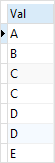
This tutorial shows you how to use SQLite RANK() function to calculate the ranks for rows in a query's result set.
should be fine
upbeat lily
Try removing the AS?
 amber hamlet
Hi, I tried googling for this. I know there is a way to convert a python file(s) into a Windows executable, what I'd like to know is that can you add a database server/client to the executable as well? I don't want to have to require the user to download a database server/client in order to use the executable.
 mystic bough
I wanna create table with using sql file, i tried to write \i path/file.sql but it doesnt work. I have No such file or directory error. I used to use this command on ubuntu, now i am using windows and this command doesn't work. How can i fix that ?
torn sphinx
@mystic bough In use, look for another help channel that isn't in use.
 dull scarab
Topical channels do not act as help channels.
@amber hamlet you could do something lile that with a docker container, or make the executeable connect to a cloud hosted db, or use sqlite as it creates a file it connects to if it does not exist alreadt
pure cypress
Well docker containers aren't exactly end-user friendly 😄
Depends on who the users are
dull scarab
True, very not end user friendly 😏
dull scarab
ArangoDB, yay nay?
 harsh osprey
oh whoops read the channel name wrong
torn sphinx
anyone knows how to add data from JSON file to DB with python?
harsh pulsar
@torn sphinx there isn't any one correct way to translate json into a tabular database format. in general you just open the json file, parse it as json, then write whatever you want to the database. for anything more specific you will need to describe more about your situation
 chilly slate
If I have a table of values with 2 identifier and a Year/Month Date. How can I label the first occurrence each month different from the subsequent visits and have it reset every month. So the first time a value appears it is 1 then the next time the value it appears its 2 and it resets back to 1 next month
chilly slate
nvm got it
 hearty iron
can't we run multiple statements with pool.execute in asyncpg?
asyncpg.exceptions.PostgresSyntaxError: cannot insert multiple commands into a prepared statement coz i am getting this on two DELETE statements
 somber prism
I'm building a web app using Flask and am having trouble querying and filtering the proper data. There are 3 select fields with which the user can filter the data to be queried (County, City, & Sale Date). Here's a sample URL:
http://127.0.0.1:5000/table_data?county=Atlantic&city=Atlantic+City&sale_date=09-26-2019
Now this works properly and extracts the data as follows:
(County=Atlantic, city=Atlantic City, sale_date=09-26-2019)
The problem occurs when the user wants to select all the values in a given column to filter from. The default value of the option for all is == "" which obvious will not work as I don't have any empty string values. The question is, what's the best solution in building a query in which the filters could either be specified or return all options of the select form?
def table_data():

_county = request.args.get("county")

_city = request.args.get("city")
_sale_date = request.args.get("sale_date")

_query =
    SheriffSaleDB.query.filter(
        SheriffSaleDB.county == _county,
        SheriffSaleDB.city == _city,
        SheriffSaleDB.sale_date == _sale_date,
    )
    .all()

_results =
    SheriffSaleDB.query.filter(
        SheriffSaleDB.county == _county,
        SheriffSaleDB.city == _city,
        SheriffSaleDB.sale_date == _sale_date,
    )
.count()

return render_template("table_data.html", query=_query)```If you can chain .filter() methods, then that might be a way to go
torn sphinx
i want to create a database for an imaginary company
how do people store their data? I want to store the variables all in one dictionary in a text file. is this what most people do?
it will look something like this:
imaginary_company = {
    'suppliers' : {
            'supplier_one' : {'another_nested_dict'},
            'supplier_two' : {'another_nested_dict'}
        },
    'customers' : {#just like supplier, this will have nested
                           # dicts},
    'inventory' : {'list_of_inventory'}
    }
 karmic sparrow

 crimson ibex
I am using django with postgresql. I have created user 'bob' for the database 'wedpost'.
In "setting.py" file,

DATABASES = {
    'default': {
        'ENGINE': 'django.db.backends.postgresql_psycopg2',
        'NAME': 'wedpost',
        'USER': 'bob',
        'PASSWORD': '***',
        'HOST': 'localhost',
        'PORT': ''
    }
}
-

So After hitting the command,
 python manage.py makemigrations
I am getting the error,
---------------------------------------------------------------------------------------
Traceback (most recent call last):
  File "/home/ruth-psych/Documents/wedpost/demo2/env/lib/python3.7/site-packages/django/db/backends/base/base.py", line 216, in ensure_connection
    self.connect()
  File "/home/ruth-psych/Documents/wedpost/demo2/env/lib/python3.7/site-packages/django/db/backends/base/base.py", line 194, in connect
    self.connection = self.get_new_connection(conn_params)
  File "/home/ruth-psych/Documents/wedpost/demo2/env/lib/python3.7/site-packages/django/db/backends/postgresql/base.py", line 178, in get_new_connection
    connection = Database.connect(**conn_params)
  File "/home/ruth-psych/Documents/wedpost/demo2/env/lib/python3.7/site-packages/psycopg2/__init__.py", line 126, in connect
    conn = _connect(dsn, connection_factory=connection_factory, **kwasync)
psycopg2.OperationalError: FATAL:  Ident authentication failed for user "bob"
-------------------------------------------------------------------------------------------
Can someone help me out with this?
 azure chasm
With sqlite on python it says that it cannot write to a read only db when if i regularly put in info it allows it?
What do i do to fix this
sleek cosmos
Hey quick check in with something if anyone has the time. I saw this code:
con.execute("SELECT * FROM " + table + ";"):
but im pretty sure that i've read that it's bad practise and should be done like this
con.execute("SELECT * FROM ?;", (table)):
or are both the same?
final lion
@sleek cosmos you're correct, the second form is better because it's resistant to sql injection attacks
sleek cosmos
thanks!
ionic pecan
in general, yes, but you can't parametrize table names
usually if you need to do that somehow you're doing something wrong
>>> import sqlite3
>>> db = sqlite3.connect(':memory:')
>>> c = db.cursor()
>>> c.execute('INSERT INTO ? VALUES (1, 2, 3)', ('something',))
Traceback (most recent call last):
  File "<stdin>", line 1, in <module>
sqlite3.OperationalError: near "?": syntax error
>>> c.execute('SELECT * FROM ?', ('something',))
Traceback (most recent call last):
  File "<stdin>", line 1, in <module>
sqlite3.OperationalError: near "?": syntax error
those are meant for query parameters, like stuff in WHERE or insert values
 timber lily
Is anyone using Cassandra with Tornado? For some reason I can't find anything in the way of async python drivers for cassandra