
#Unreal Engine
1 messages · Page 1 of 1 (latest)
 placid siren
 bleak nest
We should use this for dumping LUTs as well, I think?
@swift plover was right to keep #🧪lab for more intricate testing/collaboration and not the dumb grunt work stuff that's usually shaders at this point.
placid siren
bleak nest
We should use this for dumping LUTs as well, I think?
<@251818887526612992> was...
yeah, here is fine. keeps things organized.
 polar crest
@placid siren I added this since people kept asking me about the sliders change in UE5 titles
 placid siren
@dusty girder the bgr8 upgrade in stellar blade demo is what tanks performance, stocklike without it
like 40fps => 15fps
 regal kayak
@dusty girder I've got a lutbuilder that's seemingly missing a ap1 -> bt709 conversion. Is this a thing that happens sometimes?
 dusty girder
thats a weird one
idk if I've seen that before
sdr?
some old lutbuilders might be weird
regal kayak
lutbuilder in question
dusty girder
give me 3 minutes
regal kayak
it's ue4
came from Outriders
also dumped another lutbuilder, it's possible this one doesn't matter
the other was pretty typical
oh I might be dumb, there's a chance that one dumped with hdr enabled
placid siren
latest unreal has _new tag
regal kayak
yeah I think I'm just dumb and forgot I had it set to dump when native hdr was on
dusty girder
placid siren
latest unreal has _new tag
THANK YOU
regal kayak
seems to work with just this lutbuilder added
I've got a good stack of commits piled up and keep putting off making a PR 
bleak nest
placid siren
latest unreal has _new tag
I was wondering that day why not just dump newer ones in a separate folder and older ones in another, etc.
But _new tag also works well.
dusty girder
bleak nest
I was wondering that day why not just dump newer ones in a separate folder and o...
no
people already have a hard time
finding one folder
bleak nest
It'd have gone in that same folder, just titled old.
But _new works just as fine.
So, not really an issue.
bleak nest
bleak nest
We should use this for dumping LUTs as well, I think?
<@251818887526612992> was...
There is just one problem with this method, though.
Not all the modders are in the channel that can simply see the msg and compile something for you.
For instance, Ritsu compiled MGS stuff for me instantly, and he's not in the thread. Same with countless others.
#🆘helpdesk it is, I guess.
regal kayak
Since it’s a never ending project, we could just have “unreal work queue” channel or something where unimplemented lutbuilders get posted. We delete the post when done.
dusty girder
regal kayak
Since it’s a never ending project, we could just have “unreal work queue” channe...
yea I asked for that a few times
where people can post dumped lutbuilders
and we can mark them as added
regal kayak
It’s too easy for lutbuilders to get lost in messages otherwise
bleak nest
A request channel where someone dumps it, and whenever any modder takes charge of that, they take the convo to appropriate channel i.e. Unreal Engine thread, and tag the poster and continues convo there.
And then delete/mark the original posting.
dusty girder
regal kayak
It’s too easy for lutbuilders to get lost in messages otherwise
I've lost a few
until people repinged me
sometimes I try to get to them asap, but I might be doing something
and then when I go back later; I cant find it
placid siren
placid siren
Universal mod for UE 4.x and UE 5.x
Works by upgrading the SDR path to HDR10 sw...
bleak nest
Can someone compile these, pls. new new shaders when I tried to play Six Days in Fallujah with it.
dusty girder
I'll do it tomorrow
dusty girder
figured, ue4 games with sm6 shaders have all those branches
you'll probably need to upgrade bgr8_typeless and/or rgb10a2 unorm
bleak nest
Sliders are working now, but game is 202.9121 capped.

Do I need to remove all upgrades, too?
I'll try copy destinations.
Copy upgrade paths, and menu goes higher.

Works now.

How do I determine what upgrades it needs? Check them one by one?
In-game is capped, not sure why.

Menu and cutscenes are fine, in-game gets rekt.
dusty girder
well unreal engine only really needs 3
bgra8 typeless, bgra8 unorm, rgb10a2
unorm isnt common
bleak nest
Upgarde Copy Destinations upgrades all at once?
dusty girder
bleak nest
In-game is capped, not sure why.
upgrades
dusty girder
bleak nest
Upgarde Copy Destinations upgrades all at once?
copy destinations only if upgrades dont work
try upgrading all 3 to output size, and if it doesnt work
enable "upgrade copy destinations"
bleak nest
dusty girder
bgra8 typeless, bgra8 unorm, rgb10a2
that rgb10a2 is always unorm, right?
Not typeless?


 dusty girder
idk
might be the suns texture
@placid siren https://github.com/clshortfuse/renodx/pull/382
 bleak nest
dusty girder
might be the suns texture
bleak nest
dusty girder
might be the suns texture
A certain upgrade or two wouldn't cause that, yea?
dusty girder
ohh that ring
it might, but honestly idk
maybe its always like that
and the sdr blowout just like hides it
if upgrade copy destinations fixed it
you can start disabling upgrades
and seeing which ones you need
placid siren
input needs to be clipped to 100.f probably
dusty girder
placid siren
input needs to be clipped to 100.f probably
I dont like adding per-game fixs to unrealengine's lutbuilders; because a fix for one game might grief 40 other games
bleak nest
if 100.f fixes that, can just throw it and call it a dedicated mod and move on.
Throw it as a separate repo.
And not grief other games.
bleak nest
dusty girder
you can start disabling upgrades
Yeah, doing that now.
dusty girder
placid siren
input needs to be clipped to 100.f probably
I always try to make sure lut inputs and sdr grading is done within the sdr range
the results are usually better
bleak nest
RGB10A2 UNORM alone doesn't work, so throwing in BGRA8 TYPELESS to it now.
Upgrade_R10G10B10A2_UNORM=1```Should this be flickering like a maniac?
Game only ships with a single DLSS file.

And it's that version, old.
bleak nest
bleak nest
RGB10A2 UNORM alone doesn't work, so throwing in BGRA8 TYPELESS to it now.
```U...
Those two upgrades alone worked. Let's see the sun in-game now.
And the sun is like that.

Seems only in-game, too. The cutscene sun was as bright but no BS like that.
Maybe distance to it or something? not sure.
But if 100.f can fix that, I can test it.
HDR looks goooooooooood in the game.

The smoke is going very black as well.

It's not like that otherwise.
 bleak nest
It's not like that otherwise.
bleak nest
bleak nest
It's not like that otherwise.
Or that I remember, at least. Will check without it later.
But it's 'good 'nuff' already.
 sturdy lagoon
Looks cool
 sonic copper
Can someone help me compile these? Its' for Mafia: The Old Country. The game starts with intro videos playing but the main menu is just a black screen with audio

 sonic copper
Yeah I did that
bleak nest
And you're using latest RenoDX UE snapshot from GitHub?
sonic copper
yep
bleak nest
As well as latest RenoDX ReShade nightly?
sonic copper
yeah I used that and the snapshot
bleak nest
Someone else also had that issue few days ago, not sure what's up.
I played the game and it was fine.
sonic copper
yeah but I think it just had an update right?
So it's missing shaders if I'm not mistaken?
bleak nest
sonic copper
Well, neither of those mention _new in them, so unlikely.
sonic copper
bleak nest
Well, neither of those mention _new in them, so unlikely.
I understand. Probably a dumb question but does _new mean those are new shaders?
bleak nest
yee
placid siren
sonic copper
Can someone help me compile these? Its' for Mafia: The Old Country. The game sta...
dlss maybe?
sonic copper
placid siren
dlss maybe?
Do I need to add the dlss fix?
placid siren
try without dlss to narrow down what's causing the issue
sonic copper
placid siren
try without dlss to narrow down what's causing the issue
wow
it worked
anything but dlss works
placid siren
sonic copper
anything but dlss works
is there a scale, sometimes 99% works
sonic copper
what do you mean by scale
I have a sharpness scale
I can use unreal tsr, fsr, and xess
sonic copper
placid siren
is there a scale, sometimes 99% works
are you talking about a scale in relation to the upscaler quality?
placid siren
sonic copper
are you talking about a scale in relation to the upscaler quality?
i think so, i know people move some slider to 99% because 100% breaks
sonic copper
placid siren
i think so, i know people move some slider to 99% because 100% breaks
yeah thats not in this game. There is just a sharpness scale
regal kayak
@dusty girder did we ever figure out a good way to upgrade CAS shaders?
placid siren
could try dlssfix, but i know other people got it all working fine. maybe they updated something
sonic copper
placid siren
could try dlssfix, but i know other people got it all working fine. maybe they u...
so that could allow me to use dlss then?
placid siren
and avoid dlssfg flicker
sonic copper
placid siren
could try dlssfix, but i know other people got it all working fine. maybe they u...
I tried it but it didn't work. I don't know if I entered it right
in the reshade.ini that is
regal kayak
alright I added borderlands 3 to the mod list, but the CAS sharpening option in game sets itself to on every time you boot it and it needs to be off 
 swift plover
regal kayak
alright I added borderlands 3 to the mod list, but the CAS sharpening option in ...
swift plover
regal kayak
alright I added borderlands 3 to the mod list, but the CAS sharpening option in ...
Replace the cas
Ask Lilium for her RCAS
regal kayak
I mean, that would be cool to have permission to use in the generic unreal addon
idk if shortfuse wants to make it a part of it though
hm, game has native hdr, maybe it has a different version of the shader for that and I could copy paste
swift plover
regal kayak
idk if shortfuse wants to make it a part of it though
Some of the games in the unreal addon have their custom shaders added
You can just tune rcas to match their cas close enough
regal kayak
yeah it's what I'll do for this if I can find an acceptable fix for this, but regular CAS kinda seems very SDR focused
regal kayak
they do have a different permutation for HDR
all the same inputs, I should be able to copy paste and we'll be good. This might also be a good solution for the other games that are broken with CAS.
did not work
RIP
oh weird this is PQ encoding
pq decode every sample, pq encode at end (not bt709/bt2020 conversions btw)
that explains why the native HDR is super saturated, if I remember what not converting it looks like at least...
wait I might be dumb
swift plover
regal kayak
pq decode every sample, pq encode at end (not bt709/bt2020 conversions btw)
So they’re going back to linear with every sample and then back to pq at the end
The lutbuilder would have outputted in pq in hdr
regal kayak
I think I got it backwards, I think they're PQ encoding every sample and then decoding at end
swift plover
Sharpening should be run in linear
It might just be like far cry 6
Where you literally just have to remove a saturate
And the sharpening works fine
Far cry 6 had clamped sharpening in hdr
regal kayak
I removed the saturate and it unclamped but went neon
regal kayak
regal kayak
I think I got it backwards, I think they're PQ encoding every sample and then de...
nvm I was right the first time I think. I mix up the funny numbers too much.
@placid siren would it be okay if I added a shader to the addon just to bypass it? It's CAS which clamps and I don't know enough to get it working 
main reason I even care to add it is because it's in borderlands 3 and every time you start the game it forces the shader back on
or maybe we could integrate RCAS like musa suggested
placid siren
regal kayak
<@115289688037785602> would it be okay if I added a shader to the addon just to ...
CAS doesn't/shouldn't clamp
It's just a plus shaped sample
regal kayak
there are a few unreal games where it does
regal kayak
the supermassive games also do
lemme send the shader real quick
here's the SDR permutation
HDR permutation
regal kayak
alright
placid siren
It has two
Like in Starfield
C is the same in both (center)
Then abde are branched
So you see 9 total: center + 4 +4
Which set of 4 is branched somewhere
regal kayak
would you want these functions added into common or a separate file in the game folder?
dusty girder
dusty girder
<@115289688037785602> https://github.com/clshortfuse/renodx/pull/382
merge pls
regal kayak
guess I could just put it into the shader itself
placid siren
Just can copy the CAS function somewhere, like effects
Starfield used green instead of Y for speed
regal kayak
you mean like, shaders/effects or somewhere for unreal specifically? I'm anxious about touching anything outside of the games folder lol
dusty girder
btw what did you mean about upgrading cas when you pinged me
the only issue I've ran into with CAS or NIS was having to upgrade UAVs to unclamp (destinations slider in the UE mod)
regal kayak
oh, I thought it was an issue you ran into before
guess it was just me with supermassive games and now bl3
placid siren
regal kayak
here's the SDR permutation
gave copilot my cas as context,
regal kayak
thanks
placid siren
with cas function
it's partially wrong since it'smissing the branch
but the game does gamma 2 it seems
regal kayak
there being 9 loads is confusing me. I don't really get what it's doing I guess.
placid siren
what are the cbuffer values?
regal kayak
no clue
placid siren
can you check?
regal kayak
sure, I'd have to get a renderdoc/pix capture for that right?
placid siren
devkit
regal kayak
oh
placid siren
you have to enable capture cbuffers in devkit settings and restart
regal kayak
never realized that was there 
 placid siren
well, i'm feeding it context
dusty girder
ah
placid siren
it's cas, there's 9 points, one is center etc
 placid siren

David light an teaches Joshua futility
it's actually a perfect reference that probably won't be understood
dusty girder
yea sadly idk where its from
placid siren
coincidentally, it's a computer that is playing tic tac toe over and over and he's asking the computer to learn from repeated attempts
which is basically how AI works anyway
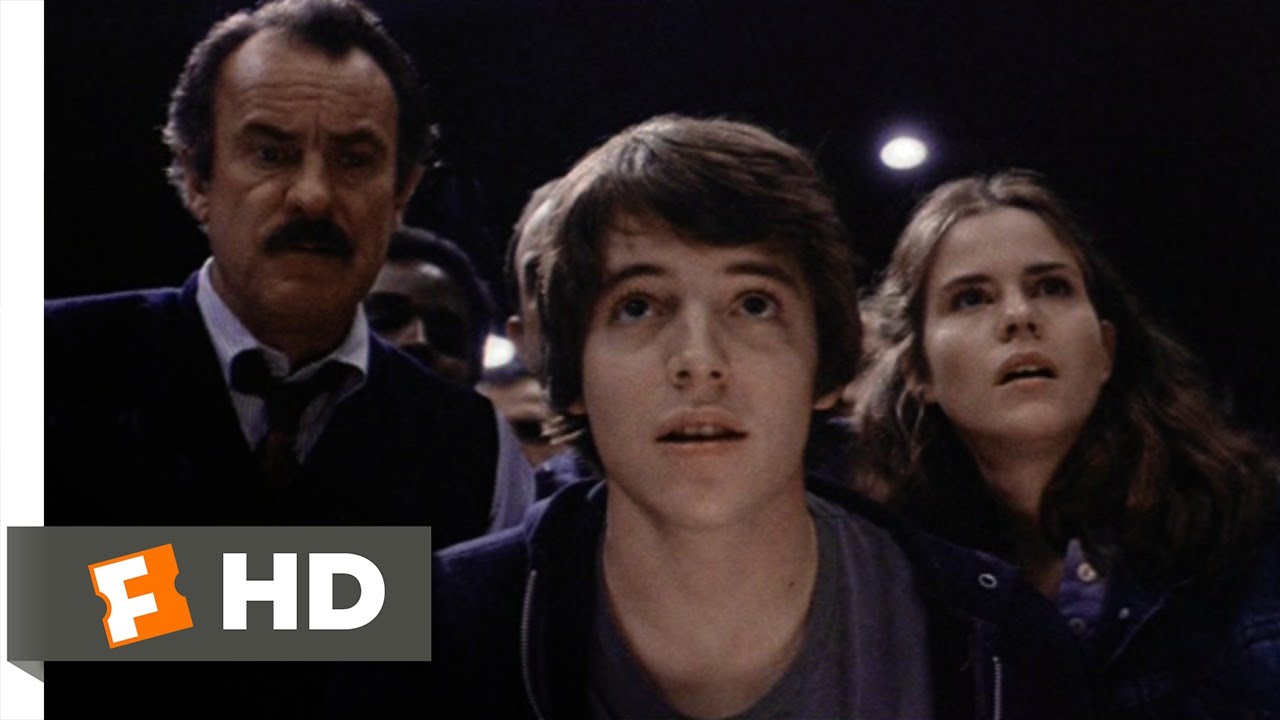
WarGames movie clips: http://j.mp/1bGFr39
BUY THE MOVIE: http://j.mp/16TMcaG
Don't miss the HOTTEST NEW TRAILERS: http://bit.ly/1u2y6pr
CLIP DESCRIPTION:
David (Matthew Broderick) teaches Joshua the no-win game of Tic Tac Toe and, in the process, averts global thermonuclear war.
FILM DESCRIPTION:
Once more, a wise-guy teenager tries to prove h...
regal kayak
dusty girder
lmao, I shouldn't have needed that for it to make sense. I was hung up on the abcde thing
dusty girder
I'm a big beleiver in visual learning
placid siren
·a·
bcd
·e·
I see
I enabled trace cbuffers in devkit but I'm not seeing where they show up
I restarted
placid siren
picture of snapshot?
regal kayak
 dusty girder
btw this is random; but devkit 5_x support when 
placid siren
click preview
regal kayak
 placid siren
is this dx12? hmm, why no pixel shaders
dusty girder
you can do -d3d11 yea
dusty girder
if the shaders are the same
placid siren
should be fine to understand what it's going
regal kayak
sm 5.0 so probably
placid siren
actually, there are 9 draws so.. probably not rcas, just cas or vice versa
abc
def
ghi
this game came out when regular cas was newish
placid siren
there's cas and there's rcas
placid siren

oof, a 1 + 8 + 4 model
  // Summary of inferred offsets relative to base (x,y):
  // r4 = ( x,   y )   // CENTER
  // r0 = ( x+1, y )   // right
  // r6 = ( x-1, y )   // left
  // r8 = ( x,   y-1 ) // up
  // r9 = ( x,   y+1 ) // down
  // r7 = ( x-1, y-1 ) // top-left
  // r5 = ( x+1, y-1 ) // top-right
  // r3 = ( x-1, y+1 ) // bottom-left
  // r2 = ( x+1, y+1 ) // bottom-right
  // Summary: center is in r0; neighbor samples are in r4,r6,r8,r9,r7,r5,r3,r2.
  // The later coefficient math uses these registers to build two 4-sample
  // neighbor groups and compute adaptive weights for the CAS-like filter.
  // r*.y values now represent the chosen luminance proxy of each sample
  // compute the minimum luminance across the neighborhood
okay, it's the same shader and I've got a preview. New values constantly though
 placid siren
what's the resolutino of the game, surely not 180x430, right?
 placid siren
yeah, there we go
1/3440 = 0.00029069767441860465
1/1440 = 0.0006944444444444445
because floating point division is rough on gpus
i just feed it the screenshot and it actually understood it
// Example cb0 usage / sample values (from a capture at 3440x1440):
// - The shader uses cb0[1] as a UV scale/offset to convert SV_POSITION
//   into integer texel coordinates. In a 3440x1440 frame you can observe:
//     screen resolution:      width = 3440, height = 1440
//     reciprocal (1/width):   ~0.00029069767
//     reciprocal (1/height):  ~0.00069444446
// - In the decompiled math r1.xyzw is multiplied by cb0[1].xxyy then
//   offset by cb0[1].zzww, i.e. roughly: texUV = pos * (1/width,1/height) + offset
// - Those small reciprocal values (shown above) are what map the large
//   SV_POSITION coordinates (e.g. 3440,1440) into [0..1] UV space before
//   floor() produces integer texel indices. The table cb0[2] holds other
//   coefficient lookup values used later for weight generation.
crazy
placid siren
you honestly have enough for your own 5 point cas though
  r1.xyzw = min(float4(1, 1, 1, 1), r1.xyzw);
  r11.xyzw = min(float4(1, 1, 1, 1), r11.xyzw);
this will clamp
but i'm making it do the work of figuring out the 9 point cas system used
regal kayak
I feel like the better solution would be to ask lilium if we could put RCAS into the mod and then just swap out sharpening shaders as we desire.
but it's also cool if there's an easy way to fix games where this comes up
placid siren
i already gave you the rcas code
regal kayak
oh...
placid siren
it's in starfield
regal kayak
oh my bad, I thought that was normal CAS
placid siren
i don't remember which is 9 and which is 5
but lilium's is the same as starfield which is 5
i mean, the code is all in the AMD repo, just lots of noise
// Summary of inferred offsets relative to base (x,y):
  // r4 = ( x,   y )   // CENTER
  // r0 = ( x+1, y )   // right
  // r6 = ( x-1, y )   // left
  // r8 = ( x,   y-1 ) // up
  // r9 = ( x,   y+1 ) // down
you'd plug in those 5 points
regal kayak
the RCAS implementation we've done in some other games doesn't require computed positions, we just pass it the one set of coordinates iirc
placid siren
it definitely needs positions
i don't think you can get proper position without screen resolution
or maybe you do
since it's +1 int
and it's a load operation
regal kayak
placid siren
float3 b =
      renodx::color::gamma::DecodeSafe(SamplerFrameBuffer_TEX.SampleLevel(SamplerFrameBuffer_SMP_s, tex_coord + float2(0, -1) * texel_size, 0).rgb);
  float3 d =
  renodx::color::gamma::DecodeSafe(SamplerFrameBuffer_TEX.SampleLevel(SamplerFrameBuffer_SMP_s, tex_coord + float2(-1, 0) * texel_size, 0).rgb);
  float3 e =
      center_color;
  float3 f =
  renodx::color::gamma::DecodeSafe(SamplerFrameBuffer_TEX.SampleLevel(SamplerFrameBuffer_SMP_s, tex_coord + float2(1, 0) * texel_size, 0).rgb);
  float3 h =
  renodx::color::gamma::DecodeSafe(SamplerFrameBuffer_TEX.SampleLevel(SamplerFrameBuffer_SMP_s, tex_coord + float2(0, 1) * texel_size, 0).rgb);
sample is a waste
should load instead
regal kayak
idk, this is just what lilium gave us (though the decode was me making it work for tw3)
placid siren
it's ```cpp
abc
def
ghi
so bdefh
it's the asme ```cpp
half3 ComputeCAS(half3 a, half3 b, half3 c, half3 d, half3 e, half strength) {
half max_value;
half min_value;
bool use_luminance = true;
if (use_luminance) {
float a_y = renodx::color::y::from::BT709(a);
float b_y = renodx::color::y::from::BT709(b);
float c_y = renodx::color::y::from::BT709(c);
float d_y = renodx::color::y::from::BT709(d);
float e_y = renodx::color::y::from::BT709(e);
max_value = max(max(max(max(a_y, b_y), c_y), d_y), e_y);
min_value = min(min(min(min(a_y, b_y), c_y), d_y), e_y);
} else {
// use green
max_value = max(max(max(max(a.g, b.g), c.g), d.g), e.g);
min_value = min(min(min(min(a.g, b.g), c.g), d.g), e.g);
}
if (max_value == 0.h) return c;
half value_0 = min(min_value, (1.0h - max_value)) * (1.0h / max_value);
half value_1 = strength * Sign(value_0) * sqrt(abs(value_0));
half value_2 = 1.0h / (value_1 * 4.0h + 1.0h);
half3 computed = ((value_1 * (a + b + d + e) + c) * value_2);
computed = renodx::color::bt709::clamp::BT2020(computed);
return computed;
}
but this doesn't handle linearization and whatever
because context is linear
which is why i do ```cpp
renodx::draw::RenderIntermediatePass(
ComputeCAS(
renodx::draw::InvertIntermediatePass(_49).rgb,
renodx::draw::InvertIntermediatePass(_67).rgb,
renodx::draw::InvertIntermediatePass(_74).rgb,
renodx::draw::InvertIntermediatePass(_87).rgb,
renodx::draw::InvertIntermediatePass(_100).rgb,
_351)), 1.f);
inverts intermediate (to linear) and then the result is intermediate (to gamma)
heavily depends on the context
it honestly doesn't even matter if you mismatch top,left,right,bottom, since it's going to average them anyway. just center has to be right (c in this case)
((value_1 * (a + b + d + e) + c) * value_2); it adds/subtracts a value to c
dusty girder
placid siren
which is why i do ```cpp
renodx::draw::RenderIntermediatePass(
Co...
good ole get back every sample to linear
placid siren
uint width, height;
SamplerFrameBuffer_TEX.GetDimensions(width, height);
float2 texel_size = 1.0 / float2(width, height);
you don't need this either since it's passed as a cbuffer
half value_2 = 1.0h / (value_1 * 4.0h + 1.0h);
https://github.com/GPUOpen-LibrariesAndSDKs/FidelityFX-SDK/blob/54fbaafdc34716811751bea5032700e78f5a0f33/sdk/include/FidelityFX/gpu/cas/ffx_cas.h#L212
regal kayak
I'm still so confused 
placid siren
i think using .g is ass
though the game isn't using rcas, it's cas
the long 9 point one
rcas is for post tonemap and cas is pretonemap
rcas is meant to be decent enough for any input, even tonemapped, so it's fine for a reshade shader, but not intended to be better than cas
hence the "robust"
regal kayak
tried implementing the 5 sample cas you sent, but I guess these loads aren't going in grid order
not really sure how to tell which is which
regal kayak
placid siren
so `bdefh`
actually missed that you said this, but this is what I tried lol
causes sparkly artifacts
placid siren
center is r4, #1411800884303626311 message make sure that when you return that it's unchanged
just return r4 and it should be identical
regal kayak
placid siren
```cpp
// Summary of inferred offsets relative to base (x,y):
// r4 = ( x, ...
okay, I'll hope this is accurate 🙏
placid siren
starfield passed the strength, but there's probably a default somewhere
i'm still trying to figure which cas method it's doing
seems there's only two, with scaling and without. the other difference in AMD is float or half
// Annotated decompile: This shader implements a CAS-style (Contrast-Adaptive
// Sharpen) pass and is functionally very close to AMD's FFX CAS "no-scaling"
// reference (3x3 neighborhood). High-level flow matches the AMD code:
//  - load a 3x3 neighborhood (center + 8 neighbors)
//  - compute soft min/max over the neighborhood (avoid clipped regions)
//  - form a normalized contrast scalar, apply a shaping curve (-x^2 + 2x)
//  - map that scalar through per-channel polynomial/tables to produce sample
//    coefficients/weights
//  - apply weights to neighbor samples, normalize by total weight, and undo
//    an earlier color-space square with a final sqrt.
// Differences vs. AMD FFX CAS reference (important):
//  - AMD's simple reference computes a single green-channel weight and uses
//    it on the 4 orthogonal neighbors (B,D,F,H) with an optional add of
//    diagonal contributions; this shader computes two coefficient vectors
//    (r11 and r1) and therefore produces per-neighbor, per-channel weights
//    applied across the 8 neighbors (more general / per-sample weighting).
//  - This decompiled shader explicitly squares sample values early and
//    performs a final sqrt to recover color-space; the AMD snippet uses an
//    input transform (`casInput`) and may not use the same square/sqrt trick.
//  - Normalization differs: AMD uses 1 / (1 + 4*w) for the orthogonal-only
//    case (or slightly modified when diagonals are included); this shader
//    computes an explicit sum of the per-sample weights and uses rcp(sum).
//  - The decompiled shader reads coefficient table/params from `cb0` and
//    builds polynomial inputs there; the AMD reference uses const parameters
//    (const0/const1) and helper macros. Functionally these map to the same
//    role (scalar -> per-sample weight mapping) but the math layout differs.
// Conclusion: yes — it is implementing CAS in spirit and effect, but not a
// byte-for-byte copy of AMD's sample code. The comments below map the
// decompiled registers and steps to the CAS concepts and callouts above.
fsr3 rcas is just changing the scaling. you could pass PQ and be done with it, btw
regal kayak
like just pq encode each sample then decode at end?
placid siren
yep
regal kayak
I think I tried that
regal kayak
maybe not with the original shader, I'll give it a shot though
placid siren
float3 convertRenderInput(float3 render) {
  render = renodx::draw::InvertIntermediatePass(render);
  render /= RENODX_PEAK_WHITE_NITS / RENODX_DIFFUSE_WHITE_NITS;
  render = pow(saturate(render), 1.f / 2.2f);
  return render;
}

float3 convertRenderOutput(float3 render) {
  render = pow(saturate(render), 2.2f);
  render *= RENODX_PEAK_WHITE_NITS / RENODX_DIFFUSE_WHITE_NITS;
  render = renodx::draw::RenderIntermediatePass(render);
  return render;
}
this is what i did for fallout4 taa
where 1.0 represents peak nits
and did it in 2.2
cas is meant to be in linear
regal kayak
is the lutbuilder outputting in pq already?
placid siren
just looking at this code, i'm tempted to just make my own contraster
placid siren
regal kayak
is the lutbuilder outputting in pq already?
in custom UE? srgb but with below 0 and above 1
so you'll want to retain the negatives
regal kayak
with the addon I mean
placid siren
i mean, moddded ue yes
regal kayak
okay
placid siren
save the sign, abs it, then when done, revert the sign back
placid siren
@regal kayak this isn't CAS by the way, at least not the current one, or https://github.com/CeeJayDK/SweetFX/blob/master/Shaders/SweetFX/CAS.fx doesn't have any of the actual sharpening math from AMD
it stops being cas right here ```cpp
// FfxFloat32 amplifyGreen = ffxSaturate(ffxMin(minimumGreen, FfxFloat32(2.0) - maximumGreen) * reciprocalMaximumGreen);
r3.w = 2 + -r2.w;
r2.w = rcp(r2.w);
r0.w = min(r3.w, r0.w);
r0.w = saturate(r0.w * r2.w);
Weird, option in game is literally fidelityfx sharpening
placid siren
how old is the game? also which game
this is the refactored code ```cpp
float3 SampleTexSquared(Texture2D<float4> src, int2 pos) {
float3 c = src.Load(int3(pos, 0)).xyz;
return c * c; // shader works in squared color-space and sqrt() at the end
}
float3 CAS9_Shader(int2 centerPos, Texture2D<float4> src, float4 cb0[3]) {
// load 3x3 neighborhood (readable names)
float3 a = SampleTexSquared(src, centerPos + int2(-1,-1)); // tl
float3 b = SampleTexSquared(src, centerPos + int2( 0,-1)); // up
float3 c = SampleTexSquared(src, centerPos + int2( 1,-1)); // tr
float3 d = SampleTexSquared(src, centerPos + int2(-1, 0)); // left
float3 e = SampleTexSquared(src, centerPos + int2( 0, 0)); // center
float3 f = SampleTexSquared(src, centerPos + int2( 1, 0)); // right
float3 g = SampleTexSquared(src, centerPos + int2(-1, 1)); // bl
float3 h = SampleTexSquared(src, centerPos + int2( 0, 1)); // down
float3 i = SampleTexSquared(src, centerPos + int2( 1, 1)); // br
// soft min / max over green channel (decompiled used doubled accumulators)
float maxG = max(max(max(b.g, d.g), max(e.g, f.g)),
max(max(max(a.g, c.g), max(g.g, h.g)), i.g));
float minG = min(min(min(b.g, d.g), min(e.g, f.g)),
min(min(min(a.g, c.g), min(g.g, h.g)), i.g));
if (maxG == 0.0f) {
return e; // guard, matches decompiled early return (no sharpening)
}
// compute normalized conservative contrast metric:
float amplify = saturate( min(minG, 2.0f - maxG) * (1.0f / maxG) );
// shape the response with the quadratic shaper used in the decompiled code
float shaped = amplify * 2.0f;
shaped = -amplify * amplify + shaped; // -x^2 + 2x
shaped = max(0.5f, shaped); // floor to avoid zero
// build polynomial-driven per-sample coefficients (cb0 used like tiny scalars)
// -- these mimic the r11 / r1 assembly in the decompile --
float2 scaleParams = shaped * float2(1.5f, 1.5f) + float2(1.0f, 2.0f);
float4 aInput = (float4)scaleParams.x * cb0[2].xxxx + cb0[2].yyyy; // example mapping
float4 bInput = (float4)scaleParams.y * cb0[2].xxxx - cb0[2].yzyz;
// polynomial-ish transforms, squaring/clamping similar to decompiled transforms
float4 A = saturate(aInput * aInput);
float4 B = saturate(bInput * bInput);
// combine into two coefficient vectors (per-channel)
float4 coeffSet0 = float4(1,1,1,1) + (-scaleParams.y * A + (A * scaleParams.x));
float4 coeffSet1 = float4(1,1,1,1) + (-scaleParams.y * B + (B * scaleParams.x));
// apply coefficients to different neighbors (mapping follows decompiled pattern)
// example mapping: coeffSet0.xxx -> up, coeffSet0.yyy -> top-right, coeffSet0.zzz -> left, coeffSet0.www -> bottom-left
float3 accum = float3(0,0,0);
float totalWeight = 0.0f;
// top-left + top + top-right
accum += a * coeffSet0.xxx; totalWeight += coeffSet0.x;
accum += b * coeffSet0.xxx; totalWeight += coeffSet0.x;
accum += c * coeffSet0.yyy; totalWeight += coeffSet0.y;
// left + center + right
accum += d * coeffSet0.zzz; totalWeight += coeffSet0.z;
accum += e * coeffSet1.xxx; totalWeight += coeffSet1.x; // center uses other set
accum += f * coeffSet1.yyy; totalWeight += coeffSet1.y;
// bottom-left + bottom + bottom-right
accum += g * coeffSet0.www; totalWeight += coeffSet0.w;
accum += h * coeffSet1.zzz; totalWeight += coeffSet1.z;
accum += i * coeffSet1.www; totalWeight += coeffSet1.w;
// normalize by reciprocal of sum of weights
float invSum = rcp(totalWeight + 1e-6f); // decompiled summed and rcp; tiny eps for robustness
float3 result = saturate(accum * invSum);
// undo squared color-space
return sqrt(result);
}
right after amplify = is basically not CAS
regal kayak
placid siren
how old is the game? also which game
borderlands 3, 2019
placid siren
this is the furthest back i could go https://github.com/GPUOpen-Effects/FidelityFX-CAS/blob/master/ffx-cas/ffx_a.h
amd code syntax is cancer
like they pay per character for function names
regal kayak
placid siren
this is the refactored code ```cpp
float3 SampleTexSquared(Texture2D<float4> src...
is it just 3dmigoto bullshit for the decomp to be using int4s for the pixel position offsets?
since it's int2s here
placid siren
regal kayak
is it just 3dmigoto bullshit for the decomp to be using int4s for the pixel posi...
load() is in int
you're loading pixels positions exactly from a texture
bleak nest
Question regarding RenoDX UE mod, the peak nits slider can fuck up sometimes or nah? Left is 3000 peak nits set, right is 4000 peak nits set.
My panel can do 3000 nits, but the game stays hard capped at diff values (well under the limit we set)
It can't be the game itself, right? Since going from 3000 to 4000 adds another 400 nits to game anyway?


FWIW, the game itself only does 1k nits max from its menu, lol.
placid siren
bleak nest
Question regarding RenoDX UE mod, the peak nits slider can fuck up sometimes or ...
try adjusting white clip
bleak nest
placid siren
try adjusting white clip
Do this while staying at 4000 (max) or keep the peak slider to my display's limits i.e. 3000?
And then play with white clip?
I can keep it 3000 on peak slider, and 1 on white clip to reach 3k nits.
or I can keep 4000 on peak slider, and 38 on white clip, to reach 3k nits.
Which is the better approach?
dusty girder
honestly most UE games can probably be safely set to ~20
since untonemapped isntcrazy bright anyway
and you wont loose too much
bleak nest
Yeah, but that's what I'm asking.
bleak nest
bleak nest
I can keep it 3000 on peak slider, and 1 on white clip to reach 3k nits.
or I c...
Which approach is better?
Both are leading to same results, as far as max nits go.
But idk if it's going to fuck up anything else along the way, if I do one approach than the other.
regal kayak
borderlands 3 looks shockingly good with the addon


 pliant belfry
Big upgrade over Native HDR?
regal kayak
I'll grab a shot real quick, I didn't even compare
eh, not really, native HDR honestly looks good

though it's limited to 1000 nits and needs bff
also no paper white adjustment
I also adjusted the settings a bit in the photos I sent, was blowout restoration up to 70, saturation 55, blowout 40
this one's lined up a bit better

 pastel sand
Hey there pals. Just a general question about Using UE "generic" RenoDX mod. I've always kind of deterred form using it since I feel like UE is so broad that I might run into issues while if I use a mod, there is a team looking after the project. Anyways...

I go to this site and if the game I'm looking for says nothing specific I should leave the config as default?
pastel sand
Haha. Fair enough.
Oh I just saw the pinned comment and it explains it all pretty well. I was afraid of all that LUT dump stuff, but seems quite straightforward.
pastel sand

Ouch. Also the game seems clamped at 203 and I'm a bit clueless about all the UE mod settings.
It's Tales of Arise.
bleak nest
Maybe that's the occasional freakout mentioned there?
As for 203, did you try doing upgrades?
RGB10A2 and BGR8 ones.
See if that helps with clamping.
pastel sand
I have to reload the game for those, right?
bleak nest
Yeap
 coarse axle
regal kayak
borderlands 3 looks shockingly good with the addon
coarse axle
regal kayak
borderlands 3 looks shockingly good with the addon
BL4 fix when?
bleak nest
regal kayak
borderlands 3 looks shockingly good with the addon
Goddamn
Genuinely looks like a solid HDR title, wtf.
lol
pastel sand
I tried this one config, but was full of artifacts.
I'm definetely clueless about all this options. Haha. But apparently some people got Tales of Arise working with RenoDX with some minor bugs.
placid siren
pastel sand
means the game is hella custom
 placid siren
pastel sand
placid siren
pastel sand
probably negatives that need to be clamped
the fact they're red, green, blue feels like values that teeter along 0
pastel sand
I could keep trying other configurations, but they seem endless.
placid siren
it's not normal UE, so using the UE addon is kinda shoehorning a solution
could try dumping luts to see if any of the lutbuilders are bad, but i doubt it
generally artifacts would only appear on Vanilla Tone Mapper with a bad lut builder
 digital raptor
placid siren
means the game is hella custom
digital raptor
placid siren
means the game is hella custom
I just had to fix an unsafe pow in the output shader for arise to work (and any upgrades griefed the game)
looked great, so its not too custom
not sure why I had different output shaders
pastel sand
Meaning there's hope still? Haha.
digital raptor
pastel sand
Meaning there's hope still? Haha.
did you disable the vignette somehow
try this build
apparently the game need r8g8b8a8_typeless upgrades depending on arise sdk config
if this doesn't work you may need to find the shader yourself with the devkit
coarse axle
Haven't tried reno
Native HDR is capped to 1000
No other settings outside of max brightness slider
regal kayak
I’ll definitely get it working with the mod (though I’m trying to actually finish a bl3 playthrough for once)
pastel sand
digital raptor
try this build
Cool. I'll try in an hour more or less. I have Arise SDK with Emoose's ini, but I think it doesn't touch vignette.
So I just need to turn on R8B8A8_typeless to the first toggle?
coarse axle

 regal kayak
coarse axle
regal kayak
coarse axle
This native?
digital raptor
pastel sand
So I just need to turn on R8B8A8_typeless to the first toggle?
yes thats enough to unclamp. but if the output shaders I added are not used by your game, you'll still see artifacts
so you may need to track it down yourself
since I can't replicate it
pastel sand
Like using that LUT dump thing or tweak my ini until I find what's messing with the mod?
digital raptor
no, using the reno devkit
the lutbuilder shaders that get automatically dumped are different ones
pastel sand
digital raptor
try this build
No luck. What if I try with the default ini?
digital raptor
Could maybe work
pastel sand
Same :((
If there is a tutorial or some guide for the devkit and it'd benefit other users I don't mind trying. Otherwise I think is beyond my technical capabilities haha.
digital raptor
Then you need to download the devkit. Open it up in game, click "Snapshot" (top left) and switch to the shaders tab. You should see a long list of shaders, one of them having a dropdown that says "addon". You want to click the dump button on the next two shaders in the list
digital raptor
pastel sand
If there is a tutorial or some guide for the devkit and it'd benefit other users...
There's a decent beginners guide for modders but you honestly don't need to know all that, you just have to dump two shaders
 digital raptor
no
coarse axle
regal kayak
This native?
Yes
pastel sand
digital raptor
Then you need to download the devkit. Open it up in game, click "Snapshot" (top ...
Then send them to you? If it's going to be beneficial for others I don't mind trying. We can talk on DM if it suits you better not to clog this whole thread with my questions haha.
Should i use RenoDevkit along the UE mod, right?
digital raptor
digital raptor
Then you need to download the devkit. Open it up in game, click "Snapshot" (top ...
this is the devkit after a snapshot with the shaders tab open
 digital raptor
pastel sand
Should i use RenoDevkit along the UE mod, right?
digital raptor
pastel sand
Should i use RenoDevkit along the UE mod, right?
yes
pastel sand
On it.
digital raptor
pastel sand
Then send them to you? If it's going to be beneficial for others I don't mind tr...
the shaders you find are likely used by others
so yea, this might fix it for @devout grove as well
pastel sand
digital raptor
the shaders you find are likely used by others
Crazy. i tohught shaders were for everybody like... An internal game thing haha.
digital raptor
pastel sand
Crazy. i tohught shaders were for everybody like... An internal game thing haha.
there are minimal changes between them so the hashes don't match, theres some weirdness going on based on config in this game

 digital raptor
you're on the right track, can you click "more" and then "dump binary" on these two?
 digital raptor
pastel sand
dump this two?
digital raptor
pastel sand
dump this two?
yep
 digital raptor
lmao
thats assembly, we can properly decompile them, then its a bit more readable
the shaders get dumped to a new folder in your game folder
pastel sand
I did the dump thing.
digital raptor
renodx-dev\dump
pastel sand
Lots of files there. I will delete them and repeat to make sure it's just those two you pointed.
digital raptor
ah you probably clicked "auto dump", that dumps all shaders
you can easily get the hash of the shader by clicking "more" and then "copy hash" in the devkit
and then just search the dump folder for them
pastel sand
Got the two.
digital raptor
and send them here :)
pastel sand
placid siren
not a lut builder?
digital raptor
no, lutbuilder was already included
some custom output shader
had an unsafe pow
the artifacts are probably only that strong because of their custom sharpening
placid siren
custom do be custom
pastel sand
Perfectly working.
digital raptor
nice
 placid siren
jxr's in 2025?
pastel sand
I'll learn now. HAHA. Just let me... Haha.
 pastel sand
It's mostly because GameBar puts them all in the same folder and way more easy to keep track.
placid siren
i've modified some games to dump the reshade screen in to the same game bar folder (Videos/Captures)
 digital raptor
placid siren
looks blownout to hell and back though
digital raptor
placid siren
looks blownout to hell and back though
looks like this, so it's def real hdr
SDR | reno defaults

 placid siren
my fault, my windows is in SDR atm, testing stuff
digital raptor
@pastel sand you can delete the devkit or deactivate it in the reshade menu, would otherwise cause perf issues during gameplay
placid siren
actually testing exactly that, auto switch Windows to HDR on game boot, and switching back on exit
digital raptor
ah nice
pastel sand
digital raptor
looks like this, so it's def real hdr
SDR | reno defaults
Oh wow. Looks 1:1. I was testing it against vanilla because I still have to find a good method to put SDR and HDR together. Haha.
RenoDX looked a bit more pale, but lately I've been reading and trying to understand about hue shifts so I guess RenoDX sometimes looked a tad bit more desaturated is hue correction?
In this case it's the saturation correction slider.
regal kayak
saturation correction usually looks a bit weird in stylized games tbh
but in general it's probably worth keeping and upping saturation a smidge instead
 devout grove
thanks, new update fixed the issue I had as well. Renodx/vanilla

 regal kayak
also, big fan of blowout restoration going up to ~70 in basically all games
but I also turn up regular blowout a little too
digital raptor
pastel sand
RenoDX looked a bit more pale, but lately I've been reading and trying to unders...
the UE mod has something called "per channel correction" to, among other things, make highlights more saturated. you can control that with the 4 sliders under strength. it has a tendency to slightly undersaturate the entire image, so saturation at 55 or even 60 then matches vanilla sdr
 pastel sand
I won't go crazy over it. It looks fantastic on default. But trying to understand a bit better in tiny steps haha.
coarse axle
coarse axle
Game could do with some BFF

 regal kayak
yeah it looks like bog standard UE HDR
means the addon probably just works at least
could fire up the devkit to check what upgrades it needs (bl3 had a lot of r11g11b10)
placid siren
pastel sand
RenoDX looked a bit more pale, but lately I've been reading and trying to unders...
RenoDX generally is more saturated in highlights and has to be dialed back, because RenoDX doesn't use perchannel
pastel sand
placid siren
RenoDX generally is more saturated in highlights and has to be dialed back, beca...
But this UE Mod uses per-channel right? Ended up setting saturation correction slider to 0 though.
placid siren
pastel sand
But this UE Mod uses per-channel right? Ended up setting saturation correction s...
saturation correction doesn't add more saturation in most cases, just fixes over colored shadows
i tries to merge the per channel SDR tonemap with a neutral, by-luminance tonemap
pastel sand
Yes. Yes. I was trying the opposite, to make the image more vibrant, as I think SDR was. Sure some shadows are red, but SDR looked like that as well.
If I used the saturation slider, even s single unit bump was overkill compared to SDR.
What would be the downside of turning off saturation correction in this case though?
placid siren
pastel sand
Yes. Yes. I was trying the opposite, to make the image more vibrant, as I think ...
can you send a picture of Vanilla and RenoDX default?
pastel sand


Now with saturation correction to 0.


Notice how on SDR and saturation correction to 0 the red shadows are more similar. Also in the second set, the girl's tunic is more brown and the rocks and main character skin more red.
placid siren
yeah, that's kinda intended because per channel ends up smearing all detail out of shadows


more accurate shadows is the consequence of fixing the saturation
red is notoriously smeared up
the per channel makes that should be dark-red/black just flat red
swift plover
I just set saturation correction to 100 and increase saturation to compensate
regal kayak
this is the way
regal kayak
@placid siren someone dumped this lutbuilder from BL4, decomp is giving an unexpected goto
placid siren
did you try the use do while?
if not, rip, tbh
maybe i can get copilot to figure out branching
regal kayak
fucking hell, forgot
placid siren
regal kayak
fucking hell, forgot
placid siren
if a shader can't work with do-while it's doing some unholy logic
dusty girder
--use-do-while is in the sm6 tutorial
regal kayak
I don't check the tutorial if I think I know what I'm doing 
regal kayak
this build should work with Borderlands 4
regal kayak
maybe the fix works, I don't even have the game yet lol
regal kayak
I have been told it still doesn’t work
coarse axle
@regal kayak new
regal kayak
hm, I was sent this one earlier as well but it doesn't look like a real lutbuilder
figured it was garbage from precomp or from native hdr being used
maybe I'm crazy
lemme check again
oof, idk why I thought that, yeah one sec lemme add this
regal kayak
@coarse axle
regal kayak
coarse axle
It worky
did you test without upgrades too?
coarse axle
Let me see
Sliders don't do anything
But it unclamps
Tonemapping sliders do work
Wait
I forgot they don't update in rels time now
regal kayak
yeah, apparently this is ue 5.5.4 so no realtime sliders
regal kayak
coarse axle
But it unclamps
so you're saying it works without upgrades of any kind?
 regal kayak
awesome
coarse axle
hmm it is weird to me
it has that CNN FG tearing
2x doesnt have it as much
fix is working since reshade is reporting base FPS now
fix also solved ghosting I was seeing in vanilla
on weapon sights and whilst moving guns
but the fix has its own ghosting
fix solved the disocclusion ghosting present in vanilla but now has its own tearing like and boiling/bad motion vector like ghosting/blur
Also


SDRlets truly are in shambles
regal kayak
bl4 honestly looks pretty great. It's insane to me how normal it is for people to see cartoony textures and suddenly be incapable of recognizing all the other rendering going on
 coarse axle
regal kayak
so you're saying it works without upgrades of any kind?
coarse axle
regal kayak
so you're saying it works without upgrades of any kind?
no upgrades needed
works fine
regal kayak
nice

 regal kayak
so tired of the sun being a tiny dot in the sky in HDR
coarse axle
yep
placid siren
coarse axle
this is the type of thing where, i'm like, when in real life does the sky ever look the left?
coarse axle
BF1 has nice looking sun, especially the middle eastern maps
placid siren
sun is tiny, but could be right
placid siren
the reflections on the water are as narrow as the sun
coarse axle
I took default reno then off
not sure if I should flick to native then open up menu to get lutbuilder to reload
regal kayak
if you already know that reloads the lutbuilder, then try that for preset off
it looks too clipped even for sdr
coarse axle
Reno / Vanilla Tonemapper (after lutrebuild) / Off


🤷♂️ guess vanilla is just that clipped
placid siren
if you can, do a full mod disable
i doubt it'll make a different, but man, SDR is no bueno
coarse axle
will be hard to line up the shots
placid siren
just want to see ballpark if exteriors are that blown out
coarse axle
off topic but this is killing me

the sun is hiding behind the fog / clouds
but theres still a blazing reflection on the water
because rn from this perspective, where dafuq is the light reflection source
placid siren
you'd think the sun is high above view
coarse axle
nope it is dead ahead
if you move to the right
it will appear
🤷♂️
SDR (removed reno entirely)

it is all just clipped to hell
@regal kayak what are your settings for BL3?
might as well try them out here
regal kayak
70 blowout restoration, 55 sat, 40 blowout
per channel corrections had a noticeable impact to sat in 3
coarse axle
I'll test those out
but damn
FG fix works to stop the flicker
but it is still WIP for the smoothness and look
when I removed it alongside reno, FG just feels better
regal kayak
I mean from what you posted, the native hdr looks good
seems like it's only really worth using reno if you wanna play with sliders or weren't gonna use framegen anyway
coarse axle
but I want to play with slider...
regal kayak
coarse axle
SDR (removed reno entirely)
I'm actually curious what native hdr looks like here, since we've got the comparisons
coarse axle
one sec got to remove reno again
regal kayak
apologies for putting you to work lol
coarse axle
SDR / Native HDR

 regal kayak
stupid time of day
regal kayak
native HDR looks solid though
placid siren
still per channel in native so you'll get blown to white
but does mean the game has no luts, at least
could bypass the grading entirely, probably
coarse axle
Theres no differences in SDR / HDR to me
in regards to grading
so if theyre using bog standard UE
theres no SDR grading bypass shenanigans going on
notice this in the tutorial area as well
Gearbox solved the UE HDR problem
just dont do any grading

 half mulch
no gamma mismatch ?
regal kayak
there is
half mulch
well
that sdr shot is not in an hdr container
then yes
its gamma mismatch obviously
placid siren
i think aces hdr has more contrast than aces sdr though, might somewhat balance out
pastel sand
placid siren
Wait I thought right was with saturation correction to 0 against left to 100. But checking now, I'd say, to my untrained eye...

 placid siren
pastel sand
placid siren
pastel sand
left is sdr
pastel sand
I see. True. RenoDX brings way more shadow detail. But now checking I saw that saturation correction to 0 brings even more.
I've tried matching with saturation, but no luck. It goes hard just at the slightest bump. But! Won't go crazy over it. Vastly appreciate all the time and help you people put out already.
 mild hazel
regal kayak
<@377729668448780288>
mild hazel
regal kayak
<@377729668448780288>
hmm, UI brightness controlling game brightness for me
 twilit lantern
regal kayak
<@377729668448780288>
twilit lantern
regal kayak
<@377729668448780288>
is this for bl4?
mild hazel
also did have DLSS fix installed and no upgrades etc
also no mod installed
in game hdr off
regal kayak
mild hazel
hmm, UI brightness controlling game brightness for me
New unreal, no real time sliders. That lut is already in the mod.
regal kayak
twilit lantern
is this for bl4?
Yes
twilit lantern
mild hazel
hmm, UI brightness controlling game brightness for me
Like Jon said you need to reload or sometimes pausing is enough too
For changes to take effect
mild hazel
regal kayak
New unreal, no real time sliders. That lut is already in the mod.
I must be doing something wrong
always capped to 200 nits
reno version of reshade, dlss fix, no upgrades, that UE version, base game
regal kayak
Hm. Well if any new lutbuilders dump, they’ll have new in the name
bleak nest
mild hazel
I must be doing something wrong
Tried upgrades?
bleak nest
Try the other one as well.
regal kayak
Try the 8 bit ones
bleak nest
RGB one.
mild hazel
aight
not super satisfied with base HDR, feels weirdly flat
will give it a shot in a little bit
 noble grove
mild hazel
not super satisfied with base HDR, feels weirdly flat
noble grove
mild hazel
not super satisfied with base HDR, feels weirdly flat
I agree.
 austere root
rg10 typeless to output size didn't seem to fix black screen
austere root
mild hazel
not super satisfied with base HDR, feels weirdly flat
it might only need BFF tbh i am curious to see somebody analyze it
seemed pretty punchy if not maybe too punchy
mild hazel
I already pushed floor down and idk, colors feel meh to me
austere root
mild hazel
I already pushed floor down and idk, colors feel meh to me
I agree now, but it's by far not the worst hdr implementation i've seen
probably just UE engine standard shit
mild hazel
yeah its not terrible
austere root
it's surprisingly a game well suited to HDR which is odd
the originals were just like in teh desert haha
mild hazel
bout to try more upgrades see if that fixes the sliders
austere root
yeah lmk i am "working" so don't have time to restart the game a bunch of times
coarse axle
Lazorr how is the FG fix on your end
because it isnt usable for me with reno
garbles the whole screen
FG fix by itself is fine
mild hazel
it all works except I was stuck at 200 nits
now I cant get the game to launch without asking me to start steam
as I click play through steam
trying other reno upgrades now
austere root
the game is unplayable without FG hah
mild hazel
wdym, after modding and tuning the in game settings, using dlss performance, turning a bunch of settings down, my 5090 can hit 60 base fps (tbf I am at 5k x 2k as well)
regal kayak
austere root
it's surprisingly a game well suited to HDR which is odd
bl3 looks great in HDR too
regal kayak
mild hazel
it all works except I was stuck at 200 nits
I wish I could help more, I don't even have the game yet
mild hazel
no worries I just got the game launching again, trying stuff
regal kayak
forge said it all worked without upgrades
coarse axle
what the hell is going on
one fella cant use FG fix because it garbles the screen
the another fella cant use reno becasue it is clamped

The thing worked out of the box with no upgrades outside of the one to fix black screen
but I did redo my shader cache
the game by itself also prompted a shader cache rebuilt the moment I added Reno
austere root
mild hazel
I am stupid, its literally the standard upgrade
what does this mean
 mild hazel
are you using dlss fix
austere root
no how do i implement that?
austere root
do i just add that like i would reno and in addition to the reno already in the folder
and reshade 6.5.1 addons?
@mild hazel
 austere root
yeah i just got another one too haha
even with dlss fix installed correctly i believe
mild hazel
the fix is more for flickering with FG
austere root
yeah it's a shame that reno seems to be finnicky with frame gen
not all the time i guess
mild hazel
I swapped to streamline 2.8.0 and have more success
sometimes it bugs out and I have to open and close menu but it comes back
austere root
@mild hazel i am not on the cutting edge here what does this mean
mild hazel
nvidia streamline libraries
austere root
yeah i updated it
placid siren
mild hazel
I swapped to streamline 2.8.0 and have more success
latest is 2.9.0. did you downgrade or upgrade?
mild hazel
placid siren
latest is 2.9.0. did you downgrade or upgrade?
went from 2.7.3 to 2.9.0 originally
then down to 2.8.0 and I stopped crashing
I do get moment where screen more or less freezes
and I have to alt tab or open close menu for it to come back
placid siren
mild hazel
and I have to alt tab or open close menu for it to come back
are you on bordeless (forced)
mild hazel
placid siren
are you on bordeless (forced)
it is on in reno
regal kayak
snapshots should have the bl4 lutbuilders now
also presets settings for bl3 and bypasses the sharpening shader that clamps, so people don't have to fuss with it
mild hazel
regal kayak
snapshots should have the bl4 lutbuilders now
is it in the one from an hour ago
regal kayak
idk when it finished compiling, just know that shortfused merged it
it was merged 2 hours ago and it usually takes a good bit to compile in snapshots
but it's definitely in there now
dusty girder
if it was 2 hours ago, its 100% up
regal kayak
yeah I checked
I just got the game, so I'll check if it'll benefit from anything else
mild hazel
I am trying to figure out the giant occasional stutters I get with reno
regal kayak
reminder that renodx usually breaks shader precomp, so if the game isn't being good about that, that's probably it
like if it didn't trigger the precomp step after you installed it
mild hazel
it does trigger it
and have cleared shaders/rebuilt with a couple different configurations
mild hazel
regal kayak
reminder that renodx usually breaks shader precomp, so if the game isn't being g...
btw this is what I am talking about, gpu usage goes to 0, cpu to like 11

by giant stutters I mean
literally 1 fps for seconds
regal kayak
does it happen if you don't use framegen?
I haven't actually tried the dlssfix in anything yet
it sounds too unreliable currently
regal kayak
might be worth making a dedicated mod for, since it's a big game.
mild hazel
yeah
regal kayak
ini hdr could save the day again
mild hazel
I would be very down for that
how hard is it to make a custom one? just time more or less?
regal kayak
now that I'm familiar with Musa's UE setup, it could be done today probably
but also like, the native HDR really isn't too bad
just needs bff
oh right, 50 series needs 10 bit unorm upgraded
should have made that happen automatically
mild hazel
yeah native isn't bad its just... idk lacking something
highlights
colors feel a bit flat
regal kayak
game might benefit from bgr8_typeless upgrades by output ratio
mild hazel
placid siren
aces is per channel
anything I can provide like logs or what not to help with dlss fix?
placid siren
mild hazel
anything I can provide like logs or what not to help with dlss fix?
i haven't looked at it in a while? it crashes loading, or just playing? and you said 2.9.0 is less stable?
mild hazel
placid siren
i haven't looked at it in a while? it crashes loading, or just playing? and you ...
#1411800884303626311 message
this is the primary issue I am running into now
regal kayak
forge also mentioned visual issues with it that didn't exist without renodx + fix
mild hazel
I didnt run into that myself
placid siren
hmm, the thing it does do per frame is give it the cloned textures, but i don't think we're cloning much here
the rest is just initialized variables
mild hazel
game basically hard freezes and gpu usage drops to 0
placid siren
streamline log could be throwing a bunch of errors
but we're not seeing them
my real_slDLSSSetOptions hook was bad
but i don't hink i shipped with that
mild hazel
unsure what this means but I have a lot of dumps in C:\ProgramData\NVIDIA\Streamline\Borderlands4
regal kayak
regal kayak
now that I'm familiar with Musa's UE setup, it could be done today probably
yeah I think I'll do this, maybe later tonight
 digital stone
hello - sorry if this is a really basic question, but i was trying to get this universal mod to work with everspace 2. i saw old posts in the old HDR den discord that it worked, but it only seems to work in directx 11 for me. if i try to use the mod in directx 12 i just get a black screen + music/sound effects (i.e. not a CTD)
regal kayak
digital stone
hello - sorry if this is a really basic question, but i was trying to get this u...
try upgrading R10G10B10A2_UNORM (Output Size)
digital stone
regal kayak
try upgrading R10G10B10A2_UNORM (Output Size)
Thanks!
 stark shell
pastel sand
It's Tales of Arise.
stark shell
pastel sand
It's Tales of Arise.
To fix the artifacts you get on that ss, set resolution scale to anything but 100 😁
 wooden oasis
Did anyone try the new firefighting game with renodx ?
polar crest
does this looks like renodx is working ?

highlights are dim
i mean
i need to go further in the game
but all sliders work
 rustic lichen
Dispatch game demo. TellTale games type deal. I'll have to mess with the UE addon later. For now I'm using SK with ITM. Feels like a banger of a game though

 desert heron
I wonder what would happen if I used this on the halo master chief collection 
 analog light
Anybody tried the UE version with Dragon Quest 11 S? Would love some Reno goodness but couldn't find anything on it. Game must not be that popular.
 mortal birch
hello, sorry to bother does this works for ready or not?
because i just tried by applying this addon and also the dlss fix and the worked crashed after the first 2 intros
polar crest
analog light
Anybody tried the UE version with Dragon Quest 11 S? Would love some Reno goodne...
i think dq11 and dq11s are very custom
so no dice
regal kayak
seems to be working in the main menu

no upgrades needed here
clamps in the first track though
regal kayak
@fervent lodge just need to upgrade R10G10B10A2_UNORM by output size

 fervent lodge
I'm Sorry, I don't know what you mean by 'already patched as part of the unreal mod'. i just dumped the files as asked 
fervent lodge
regal kayak
<@111462437164724224> just need to upgrade R10G10B10A2_UNORM by output size
oh? i'll give that a try, thank you so much for taking a look 
regal kayak
it'll just work with this build
fervent lodge
neither using this file nor upgrading R10G10B10A2_UNORM by output size seem to have any effect
well nevermind, scene change wasn't enough, but a game restart worked
is there some resources i can use to read up on what these upgrades do? would love to learn a little more about all this
regal kayak
yeah you have to restart for resource upgrades
regal kayak
fervent lodge
is there some resources i can use to read up on what these upgrades do? would lo...
tbh idk what a good resource would be. For the purposes of renodx, you should know that 8 bit resources clamp to SDR range. Higher bit UNORM resources also can clamp. The only way to know what a game needs is to either load up the devkit and see what it's using, or, in the context of the unreal mod, to simply try out some upgrades and see what works, assuming the lutbuilders are integrated.
 fervent lodge
aah i see, so the generic unreal mod wouldn't just work for any unreal game? that's interesting too
regal kayak
fervent lodge
aah i see, so the generic unreal mod wouldn't just work for any unreal game? tha...
it should work for most unreal games, there's just so many configurations in the engine that spawn new permutations of lutbuilder on our end. We've got a ton of them added to this mod at this point, which is why/how it's a generic mod.
regal kayak
fun game to play with sliders in lol
 placid siren
windows clipboard sdr-clip

 vital geyser
Oh there's a demo?
Is that why I see so many people test it?
regal kayak
idk, I bought it
I have no idea how they're this close...
maybe reloading the level isn't running the lutbuilder again
seems so, annoying
maddening game to tweak, lutbuilder doesn't run again until you go to an entirely different track lol
vital geyser
I do find it a bit too expensive but if it turns out that the splitscreen play actually works well I might actually reconsider
regal kayak
I had no interest in this game until I saw impressions at release
I loved sonic and all stars racing transformed, I just had no faith lol
game is super fun though
okay here's renodx defaults and sdr


doesn't even rerun the lutbuilder on a new track if it doesn't call for a new lutbuilder. Props to them for minimizing loading things already in memory I guess
regal kayak
really feel like this game got kinda screwed by aces
placid siren
as always
regal kayak
renodx letting me turn this into the cartoon slop I want
 regal kayak

 fleet vault
regal kayak
it'll just work with this build
fleet vault
regal kayak
it'll just work with this build
yeah neither with this file, upgrade or restarting works for me, only UI slider
regal kayak
Sliders aren’t real time
@placid siren would it be alright if I integrated the lutbuilder callback stuff like you have in oblivion? We could also setup a message that shows up if no lutbuilder ever gets triggered telling people to dump and post shaders.
placid siren
regal kayak
<@115289688037785602> would it be alright if I integrated the lutbuilder callbac...
You'd have to group all the lutbuilders manually, possibly with a macro
regal kayak
maybe I should actually look at the oblivion implementation to see what I'm trying to get into lol
oh, yeah there would need to be a macro for this to make sense
I'll have to see what I can do, gonna have to familiarize myself more with how everything works 😅. It's a problem I really think we should solve though since it's gonna affect most new releases now.
and it's unreasonable to expect the average person to have any idea why it wouldn't be working
placid siren
I wanted to make cmake generate a macro that is like __ALL_{FOLDERNAME}_SHADERS but I got lazy
 tall wedge
sturdy lagoon
regal kayak
renodx letting me turn this into the cartoon slop I want
tall wedge
sturdy lagoon
regal kayak
renodx letting me turn this into the cartoon slop I want
Looks fine tbh I would play like that
Very fitting
 broken smelt
Tchia works with B8G8R8A8_TYPELESS Output Size, cutscenes clamped/SDR
 fervent lodge
so, funny thing about sonic racing crossworlds, it's back to being capped at game brightness as soon as resolution scale is not 100%
 severe grove
regal kayak
severe grove
regal kayak
It is insane with the huge highlights like those ones did not get an actual native HDR into the actual game without the mods, as the rendering style is made for HDR usage. Even the Engine.ini HDR config has the similar highlights as the mod (as I used the Engine.ini config in the Open Network Beta).
regal kayak
fervent lodge
so, funny thing about sonic racing crossworlds, it's back to being capped at gam...
set the upgrade to aspect ratio instead
I'll make sure that works really quick
fervent lodge
it works indeed, thank you!
so why would i use output size instead of output ratio to begin with?
regal kayak
RIP, doesn't work on ultrawide lol. I'll have to make a build with special upgrades
output size upgrades resources that are sized to window size, while aspect ratio will upgrade sub native res resources
in general you want to use the minimum amount of upgrades necessary since upgrades can cause issues.
fervent lodge
huh i see, thank you
glad it works at 16:9 aspect ratio then. got a 4090 so i figured i might as well use it to play at a higher res scale
60 fps lock is a bummer
severe grove
fervent lodge
60 fps lock is a bummer
The game's FPS is tied to the speed. Unstable FPS will slow down the game and worse DC'd in online races for everyone as error 1-6-0, despite in UE5. I don't know why they hard coded as that. This is a kart racer, not a fighting game (when frame input is important).
regal kayak
- add explicit rgb10_unorm 16/9 upgrades for sonic crossworlds
- set rgb10_unorm upgrades by aspect ratio for sonic crossworlds (in case of ultrawide mods)
fervent lodge
oh, it works out of the box with this now?
regal kayak
yeah
severe grove
regal kayak
yeah
You can freely add it to the Legend list instead of placing on Unreal Engine Multi-Game Mods list: https://github.com/clshortfuse/renodx/wiki/Mods

GitHub
Renovation Engine for DirectX Games. Contribute to clshortfuse/renodx development by creating an account on GitHub.
regal kayak
it's still just the unreal mod
I should add it to the list though
needs to get merged first
fervent lodge
regal kayak
yeah
that's fantastic, thank you 
regal kayak
regal kayak
needs to get merged first
@placid siren could you take a look at my PR? I mostly just want Sonic to be in there asap.
 mint escarp
rustic lichen
mint escarp
rustic lichen
unreal engine TinyGlade clone

game is called Outside the Blocks, there's a demo out for it now
tried getting RenoDX to work but could only get the UI slider to do anything
placid siren
did you get _new_ lutbuilder?
placid siren

if you said tiny book shop, i would jump, since my wife asked for the game
but tiny glade? i sleep
unless it's free/xbox
placid siren
link?
rustic lichen

Unleash Your Creativity
Step into Outside the Blocks, the ultimate playground for builders and creators who want to express their artistic side in a relaxing, stress-free environment. Forget about objectives and pressure—immerse yourself in the pure joy of creation.…
Release Date
Nov 4, 2025
placid siren
rustic lichen
https://store.steampowered.com/app/2350220/Outside_the_Blocks/
added to the worklist
you need to enable descriptor tracking for dx12 in devkit options
doesn't run every frame, maybe?
it...should, unless the metrics aren't right (different dimensions) or there's no lut builder
renodx::mods::swapchain::swap_chain_upgrade_targets.push_back({
    .old_format = reshade::api::format::r10g10b10a2_unorm,
    .new_format = reshade::api::format::r16g16b16a16_float,
    .dimensions = {.width = 32, .height = 32, .depth = 32},
    .resource_tag = 1.f,
});
uav3...
auto pair = compute_uav_binds.find({0, 0});
  if (pair == compute_uav_binds.end()) return false;
  auto uav_view = pair->second;
  if (uav_view.handle == 0u) return false;
  auto* uav_view_info = renodx::utils::resource::GetResourceViewInfo(uav_view);
  if (uav_view_info == nullptr) return false;
  if (uav_view_info->resource_info == nullptr) return false;
  if (uav_view_info->resource_info->resource_tag != 1.f) return false;
it only looks at UAV0,space0
probably can extend to search all
  if (compute_uav_binds.empty()) return false;
  bool found_lut_uav = std::ranges::any_of(
      compute_uav_binds,
      [](const auto& pair) {
        const auto& uav_view = pair.second;
        if (uav_view.handle == 0u) return false;
        auto* uav_view_info = renodx::utils::resource::GetResourceViewInfo(uav_view);
        return uav_view_info && uav_view_info->resource_info && uav_view_info->resource_info->resource_tag == 1.f;
      });
  if (!found_lut_uav) return false;
%"hostlayout.class.StructuredBuffer<FPackedNaniteView>" = type { %hostlayout.struct.FPackedNaniteView } i don't think that's your lutbuilder
it upgraded it though
InstanceCullBuildInstanceIdBufferCS
but yeah... 1.05
that's this? #1411800884303626311 message
yeah, that is lut builder
a really simple one
sdr lut sampling in there
float4 _246 = t4.Sample(s2, float3((cb0_034z * TEXCOORD_4.x), (cb0_034w * TEXCOORD_4.y), ((((cb0_026y * _226) + cb0_026z) * 0.96875f) + 0.015625f)));
31/32 = 0.96875
and some smoothstep
float smoothstep (float edge0, float edge1, float x) {
   // Scale, and clamp x to 0..1 range
   x = clamp((x - edge0) / (edge1 - edge0));

   return x * x * (3.0f - 2.0f * x);
}